



QUICK BRIEF
What You Will Learn
- 01
Schedule, meeting and dismissal
- 02
Accommodation and contact details
- 03
Participation costs
CONTENTSTable of Contents
Internal school approval and responsibility structure
Following the school's and club's own rules, organize the purpose, schedule, participants, supervising adults, transport, accommodation and emergency response. Do not leave the decision to one adviser alone; confirm the approval process required by the organization.
SECTIONWhat to tell parents and guardians
Schedule, meeting and dismissal
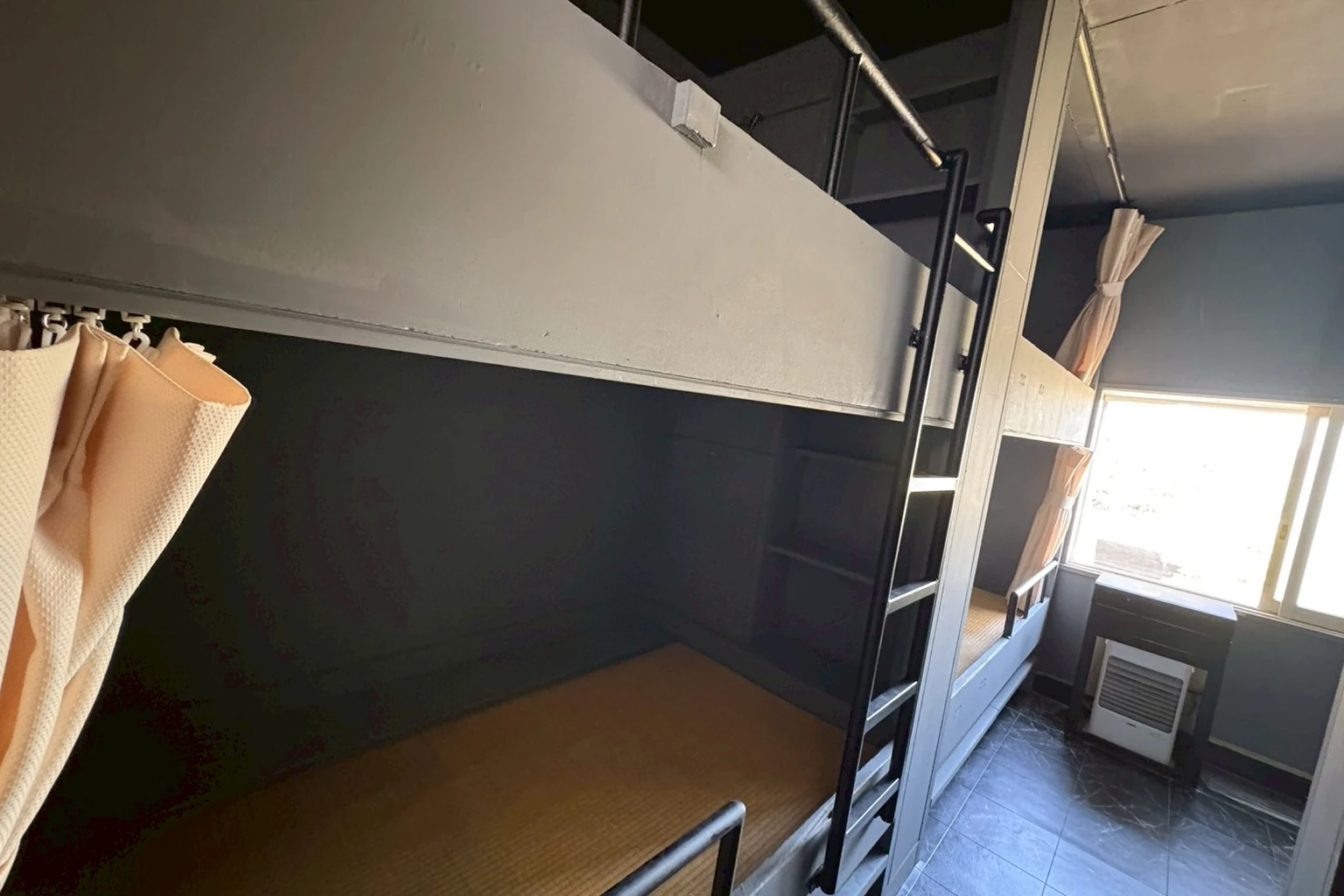
Accommodation and contact details
Participation costs
Transport method
Packing list
Practice/activity content
How to submit health information
What happens if the trip is cancelled or stopped
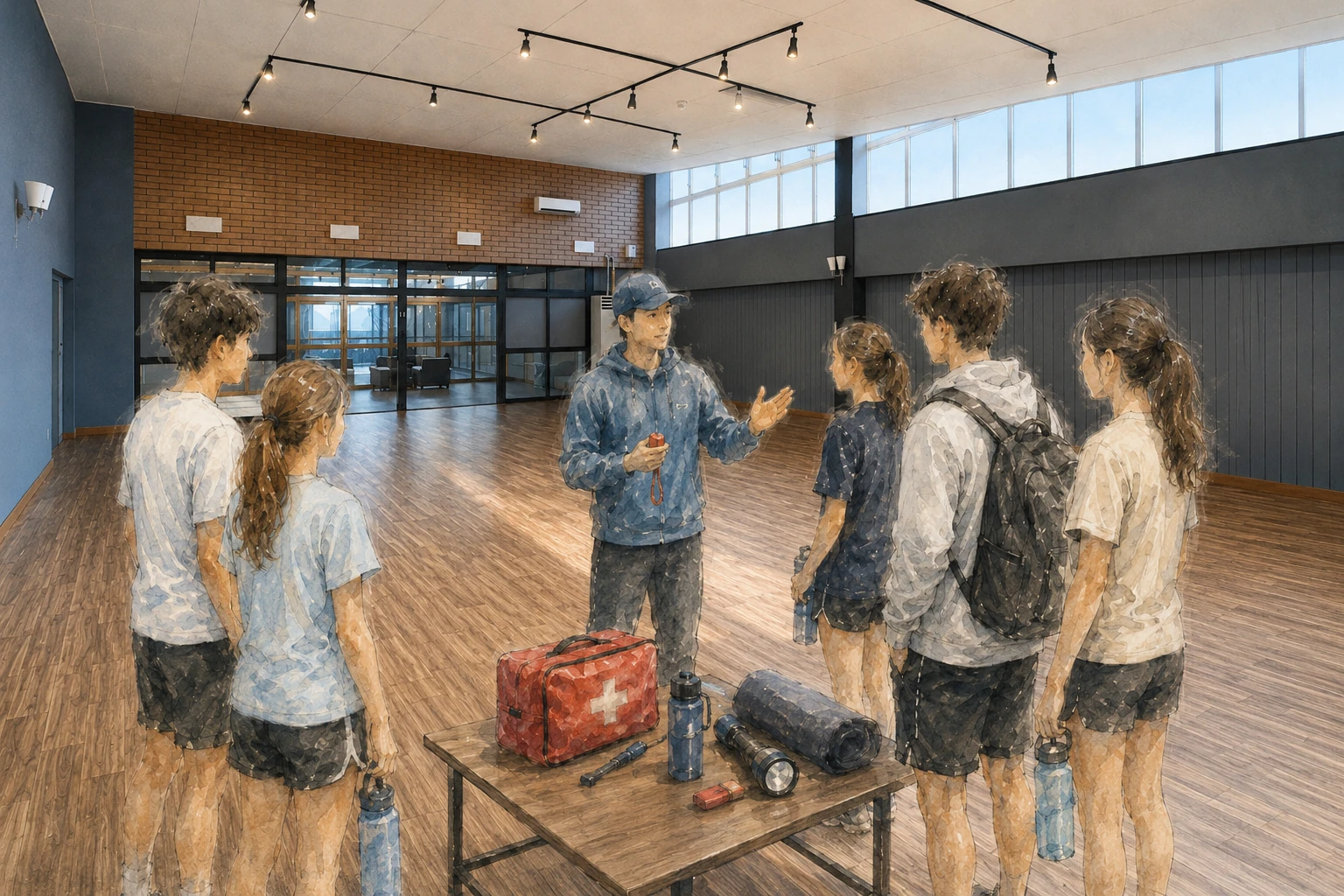
SECTIONRoom assignments and roll calls for minors
Consider gender, school year and the placement of supervising adults, and conduct roll calls before bed, after waking and before travel. Avoid unauthorized room changes and tell everyone how to contact a supervisor at night.
Smartphones and lights-out
Decide according to school policy whether phones are collected, use is time-limited, and how emergency calls will be received. Share the rules with students and guardians before departure.
SECTIONMedication and health management
Identify regular medication, allergies and exercise restrictions, and separate what the student manages personally from what a supervising adult checks. Make it clear whom a student can approach easily if they feel unwell.
SECTIONWhat to tell the facility
School and club name
Number of students and supervising adults
Gender breakdown
Arrival, lights-out and wake-up times
Meals and allergies
Large vehicles
Early departures
Align conditions among the school, guardians and facility
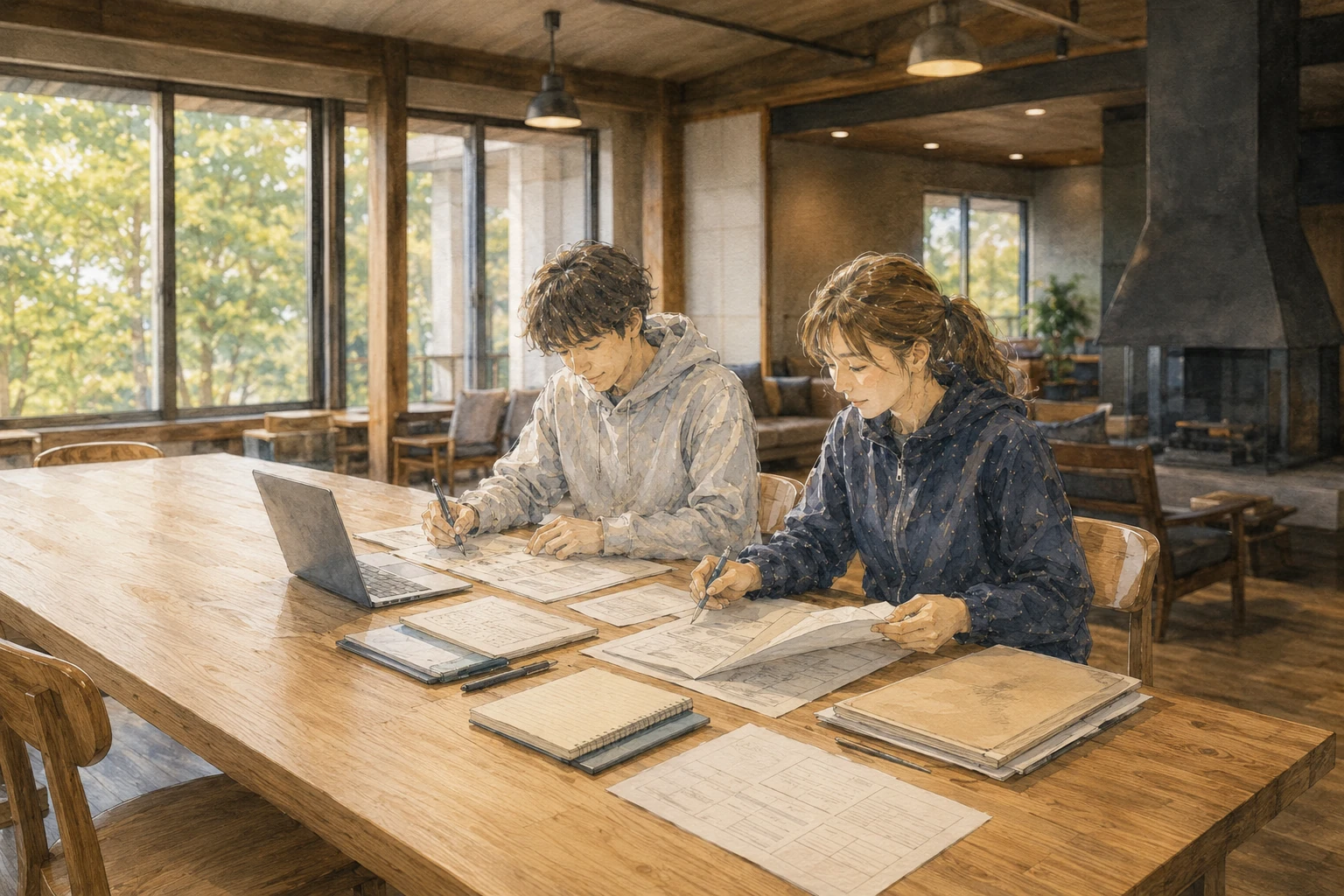
A club camp involves separate school approval procedures, explanations to guardians and facility-use conditions. Do not keep them only in the adviser's head; document the purpose, costs, transport, accommodation format and emergency contacts, and also state how changes will be communicated.
Make day-to-day management for minors concrete
Decide in advance how roll calls, bathing, lights-out, wake-up, leaving the facility, smartphones and valuables will be handled. Rather than adding more strict rules, it is easier to operate if you clarify who checks what and what happens after a rule violation or health problem.
| Information collected | Purpose |
|---|---|
| Guardian contact | Emergency contact |
| Health / medication | First-aid and daily management |
| Food allergies | Meal consultation |
| Participation consent | Confirmation of schedule, cost and activities |
| Return-home method | Early return and dismissal arrangements |
Divide staff duties
If every adult supervises continuously, fatigue builds up. Divide practice instruction, daily-life supervision, nighttime contact, driving and accounting, and secure actual rest periods. If too few supervisors are available, reconsider the size or activities of the camp itself.
SECTIONConfirm school procedures and responsibility boundaries first
When the trip is run as a school club activity, check the organization's own rules for internal approval, supervising adults, insurance, accounting and guardian notices. Even if the accommodation can accept the group, the trip cannot proceed if school procedures are incomplete, so work backward from the necessary deadlines before recruiting participants.
| Stakeholder | Main checks |
|---|---|
| School / adviser | Approval process, number of supervisors and emergency policy |
| Parents / guardians | Consent, health information, costs and contacts |
| Students | Daily rules, belongings, meeting points and device use |
| Facility | Rooms, bathing, lights-out, meals and vehicles |
Guardian consent should not be a one-way notice
Explain not only the schedule and cost but also transport, accommodation format, shared facilities, nighttime management and what happens if someone becomes unwell. State a deadline and contact point for questions, and add important information received verbally to the written record.
SECTIONDivide supervision shifts by time of day
One person cannot reliably cover practice instruction, meals, bathing, lights-out, overnight duty and early morning while still getting enough rest. Divide time periods and responsibilities, including situations where male and female daily-life support is needed.
SECTIONItems to include in guardian information
Accommodation format and shared facilities
Transport method, drivers, meeting and dismissal
Supervisors and nighttime response structure
How to submit meal, allergy and medication information
Costs, cancellation and treatment if a tournament is cancelled
Emergency-contact criteria and pickup method
Track non-responses separately from incomplete responses. Even after a form has been submitted, recheck anything unclear in the emergency contact or medication explanation.
FROM READING TO PLANNING