


QUICK BRIEF
What You Will Learn
- 01
Confirm the current 9:00–16:30 hours, closed days and free admission.
- 02
View nature, archaeology, Ainu culture and everyday-life materials by theme.
- 03
Check in advance whether children's activities or individual explanations are available.
CONTENTSTable of Contents
- 01Learn about Niikappu's history, nature and culture at the Local History Museum.
- 02Opening hours, closed days and admission
- 03View archaeology, everyday-life materials and natural-history specimens.
- 04How to approach exhibits related to Ainu people
- 05How to visit with children
- 06Ask in advance if you want an explanation.
- 07Access, parking and visit time
- 08Combine with Re・Cord Museum on rainy days.
- 09Check exhibit changes and temporary closures.
SECTIONLearn about Niikappu's history, nature and culture at the Local History Museum.
Niikappu Local History Museum covers local nature and wildlife, archaeology, Ainu culture, history from the Edo period to early Meiji, traditional tools and horse-related folk toys. Through objects and explanations, it helps answer questions that a simple sightseeing list cannot, such as why these cultural features developed in this town.
The existing 'What Kind of Town Is Niikappu?' article gives broad background. This guide focuses on practical visit conditions and how to view the museum. Exhibits and layouts may be renewed, so a specific object is not guaranteed to remain in the same place.
One useful approach is to walk through the whole museum once, decide whether nature, history, everyday life or horse culture interests you most, then return to that area. Starting from one strong interest and expanding forward and backward in time can leave a clearer picture than reading every label in entrance order.
SECTIONOpening hours, closed days and admission
| Item | Guidance | Caution |
|---|---|---|
| Hours | 9:00–16:30 | Do not infer a final-entry time from this |
| Closed | Sunday, Monday, public holidays, year-end/New Year | Check temporary closures separately |
| Admission | Free | Transport and any publications/sales are separate |
| Address | Chuocho 26-1, Niikappu | Confirm the facility name on the map |
If visiting on a weekend, remember that Sunday is closed. For a trip arriving Saturday, it can be safer to visit the museum within opening hours first and leave Re・Cord Museum or outdoor options for Sunday.
Arriving just before closing may not leave enough time for exhibits. No official last-entry time is confirmed in the public information, so plan to be out by 16:30 with margin; if arrival will be late, call to ask.
SECTIONView archaeology, everyday-life materials and natural-history specimens.
Exhibits are easier to understand when grouped into nature/wildlife, archaeology and everyday tools. Starting with landscape and animals, then connecting them to how people lived through archaeological and household materials, helps show change over time. Horse folk toys add a perspective on everyday culture distinct from today's thoroughbred tourism.
2026 guidance notes displays added to bird specimens and photographs showing seasonal arrival periods. This is an example of how the museum connects to nature observation, but treat it as a 2026 example because exhibits can change.
For everyday tools, look beyond the name and imagine who used them, in what season and for what work. Comparing them with modern household items or farming makes it easier to see how shape and materials responded to climate and transportation.
SECTIONHow to approach exhibits related to Ainu people
The museum displays many Ainu-related materials, including the second-floor area introduced as 'People of Pipoku.' Read them in the context given by the museum—regional history, daily life, language and exchange—rather than treating Ainu culture as something only in the distant past.
Do not build broad conclusions about a culture from a short visit or a few objects. Check labels for unfamiliar terms and ask staff if you want more detailed explanations.
When explaining to children, avoid reducing the subject to simply 'people from long ago.' Treat it as part of a culture that has continued in this region, respect the museum's terminology, and do not guess when you do not know a word.
SECTIONHow to visit with children
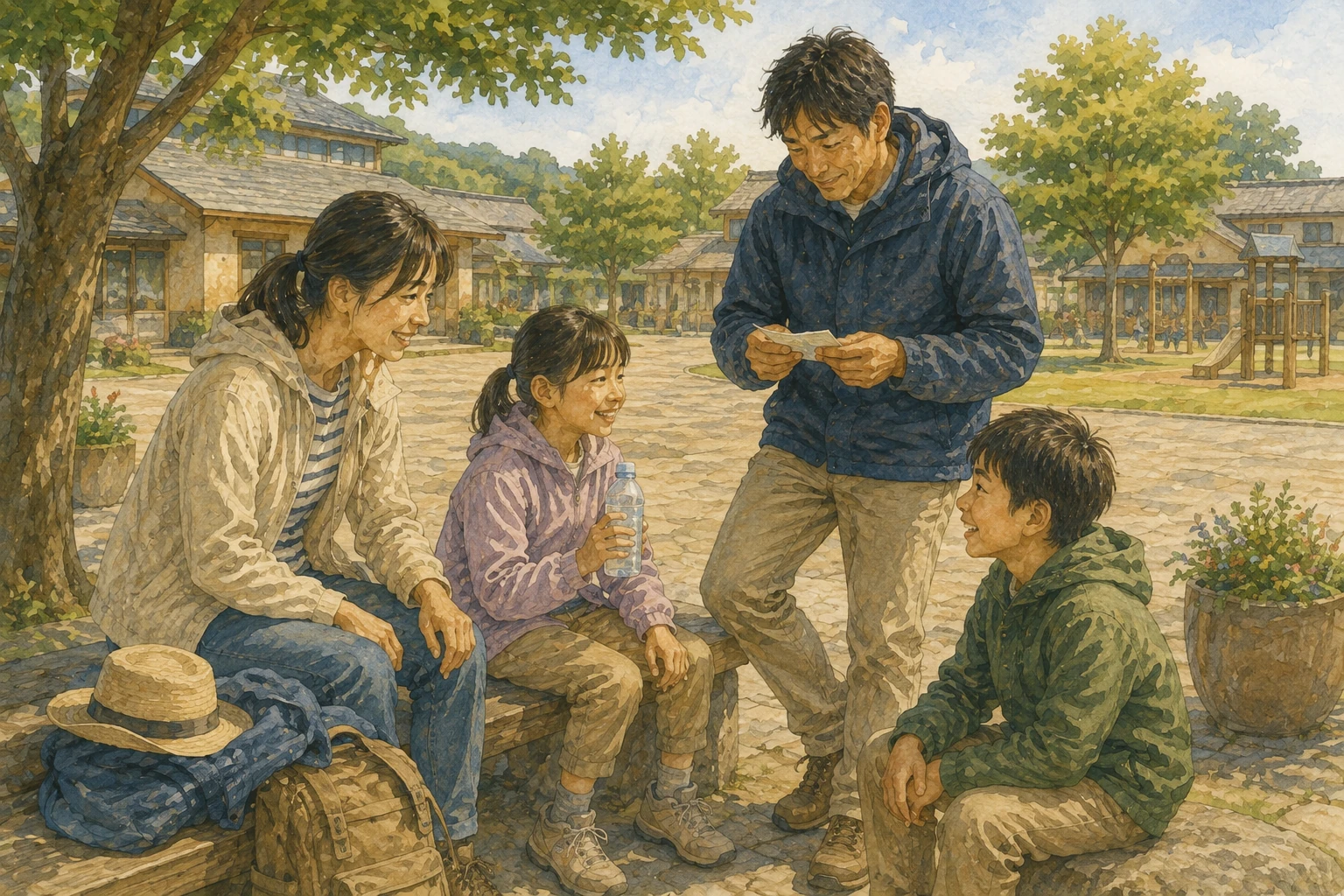
2026 guidance introduces a three-level museum quiz with 16 questions for roughly lower-elementary through junior-high ages. Old-fashioned play and a learning room are also described, making it possible to include self-directed searching activities.
Choose one theme to look for at the entrance
Use only part of the quiz according to age and concentration
Pick one specimen, tool or photo that interests the child
After reading, talk about how it differs from life today
If tired, stop without trying to finish every exhibit
Visit time and understanding cannot be fixed by age alone. Younger children may enjoy finding objects; older students can compare dates or regional differences. Adjust the method to the group.
If the quiz becomes only a race for correct answers, children may rush through exhibits. Check the actual object and explanation with each question. If time is short, leave the rest for another visit rather than passing through everything only to see the answers.
When a child shows interest, let them describe the shape, material or use before an adult gives the answer. Keep conversations considerate of others, and if you are unsure whether something may be touched, do not touch it—ask staff.
SECTIONAsk in advance if you want an explanation.
Hidaka regional guidance says individual explanations may be available on request. Staff may not always be available, so communicate group size, desired topic and visit time beforehand. Schools, groups and research visitors should ask early rather than requesting it unexpectedly on arrival.
For groups, narrow the requested explanation to one or two themes. Giving a focus such as archaeology, Ainu culture, nature or traditional tools is usually easier for participants than asking for the whole history of the town in a short time.
SECTIONAccess, parking and visit time
The address is Chuocho 26-1, Niikappu. Parking is listed for 10 cars, but large vehicles, bus loading/waiting and parking fees cannot be confirmed from the public information alone. Ask in advance if using a large vehicle.
By public transport, guidance describes about a five-minute walk from the Donan Bus 'Niikappu Shinryojo-mae' stop. Timetables, fares and service days can change, so do not freeze them into this article; check the travel date. The museum has no fixed official visit duration, so leave time according to exhibits and companions.
When visiting several town facilities in one day, include the number of parking moves, walking segments and road crossings. If the lot is full, do not wait on the road; be ready to visit another facility first.
If walking, allow more time than a map estimate for rain, snow, road surfaces and luggage.
SECTIONCombine with Re・Cord Museum on rainy days.
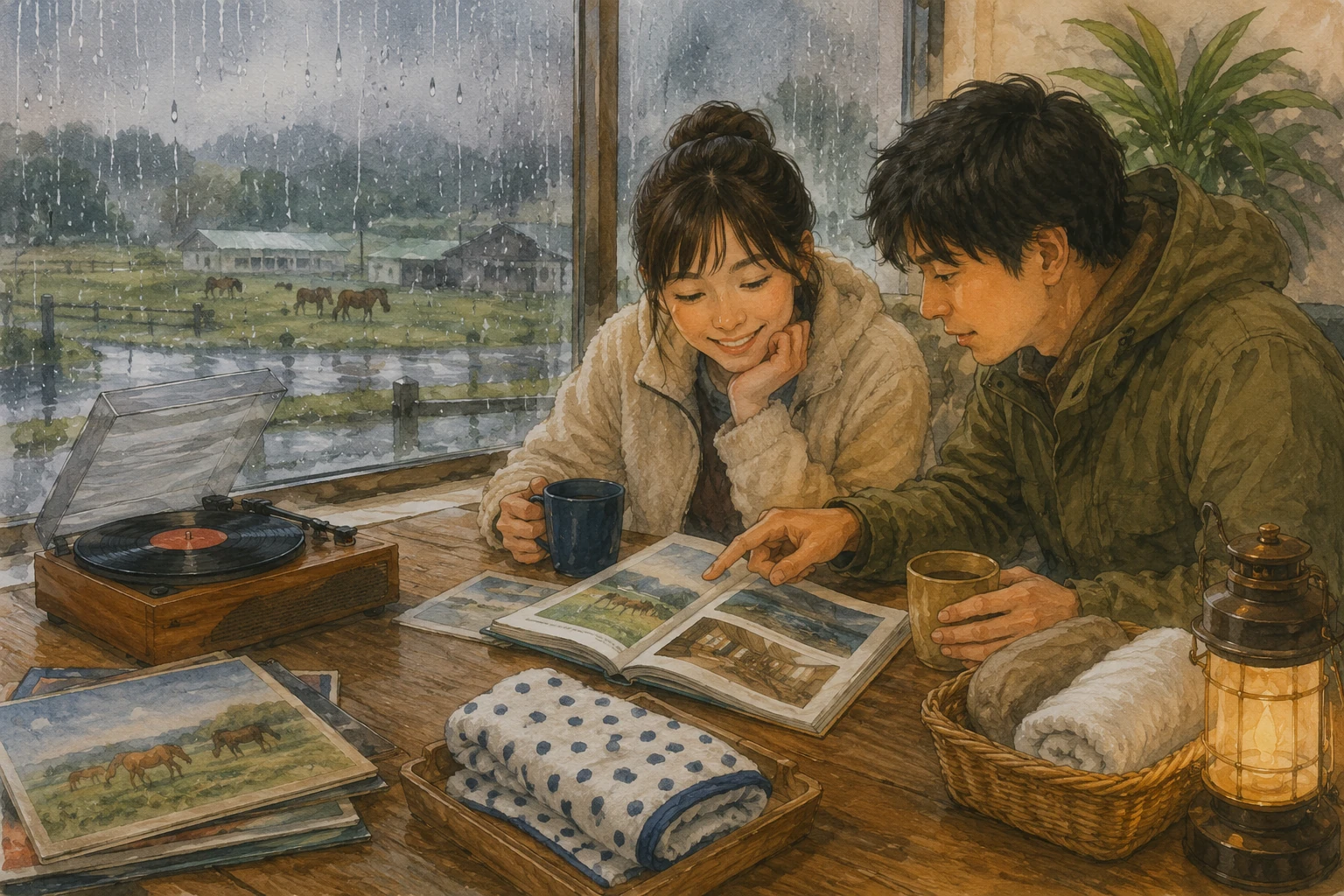
Because the Local History Museum is mainly indoors, it can be useful in rain or strong wind. However, it has many closed days, so do not assume it is always available when it rains. Use the rainy-day guide and switch to Re・Cord Museum, the roadside station or rest at your lodging if the museum is closed.
The Local History Museum and Re・Cord Museum show different perspectives—history/nature and music culture. If combining them on one day, avoid rushing through both; separate them into morning and afternoon with lunch or travel time between.
Visiting indoor facilities continuously can create fatigue from reading explanations, especially for children or older companions. Put lunch or a short walk between the two museums to reset attention and make their differences more memorable.
SECTIONCheck exhibit changes and temporary closures.
Hours and Sunday/Monday/public-holiday closures
Year-end/New Year and temporary closures
Exhibit renovation or material rotation
Current availability of quizzes/publications
Reservation availability if requesting an explanation
Public transport, parking and large-vehicle conditions
Facility information in this article was checked on August 11, 2026. Even with free admission, arriving on a closed day requires an alternative. Confirm same-day opening through the town's current notice or by phone, and if a specific exhibit is the purpose, confirm that it is currently on display.
An exhibit change does not necessarily mean the visit is not worthwhile, but research or photography of a specific object requires advance confirmation. General visitors should enjoy what is on display that day and not assume access to stored materials is a standard service.
When calling, ask not only whether the museum is open but also give your expected arrival time, the exhibit you hope to see, whether you want an explanation, and your vehicle conditions. Make notes and reconfirm if the travel date changes.
If questions remain about opening or exhibits, do not finalize the itinerary by assumption; contact the museum with your expected arrival time and purpose.
FROM READING TO PLANNING
Undecided details are useful planning information.
Even before dates or group size are final, we can help organize the next steps from your current conditions.REFERENCES
Reference Information
- Niikappu Local History Museum: Notices↗
- Niikappu Local History Museum: Facility & Exhibits↗
- Niikappu Local History Museum↗
Last checked: 2026.08.11