


QUICK BRIEF
What You Will Learn
- 01
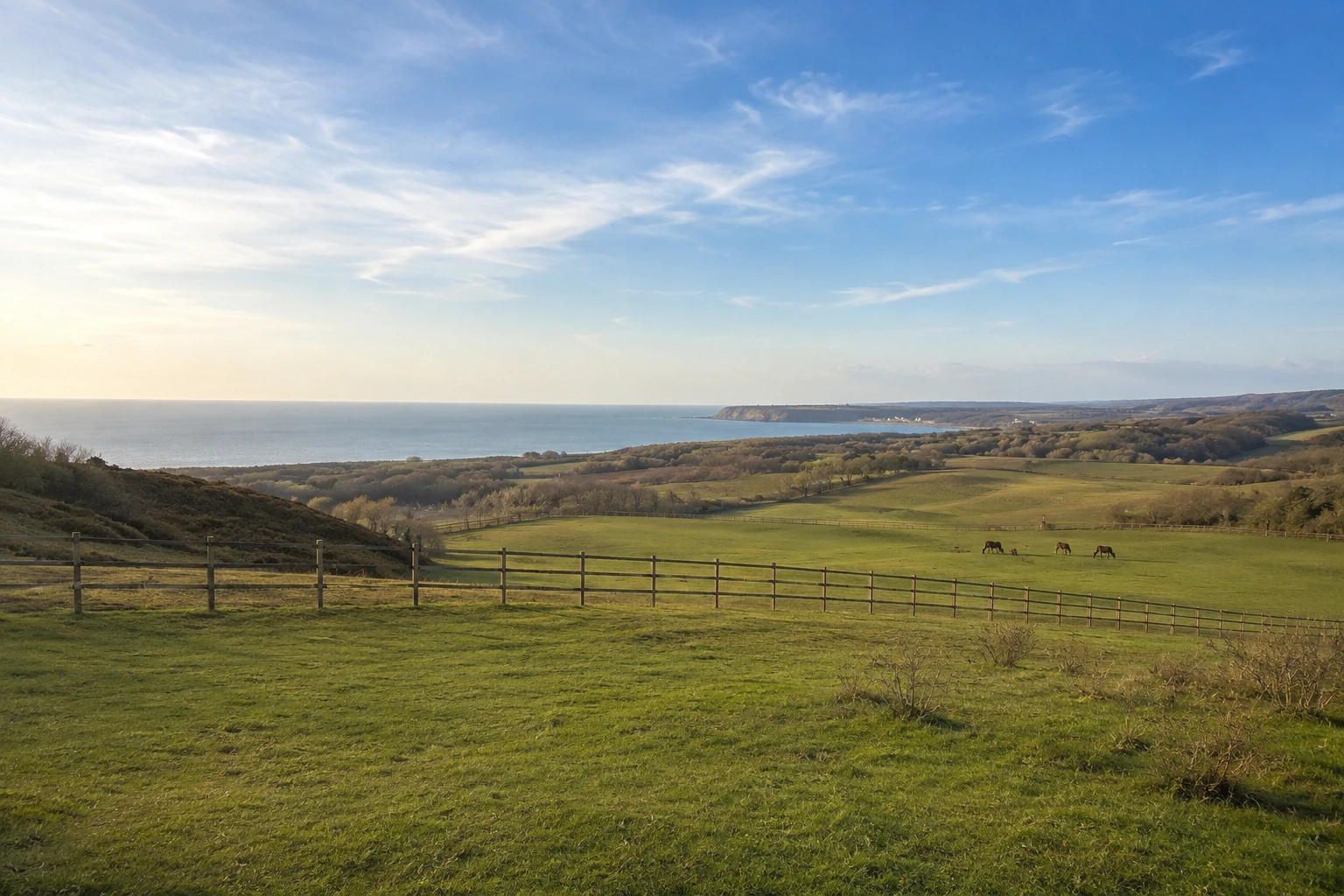
Fenced pastures and rolling hills
- 02
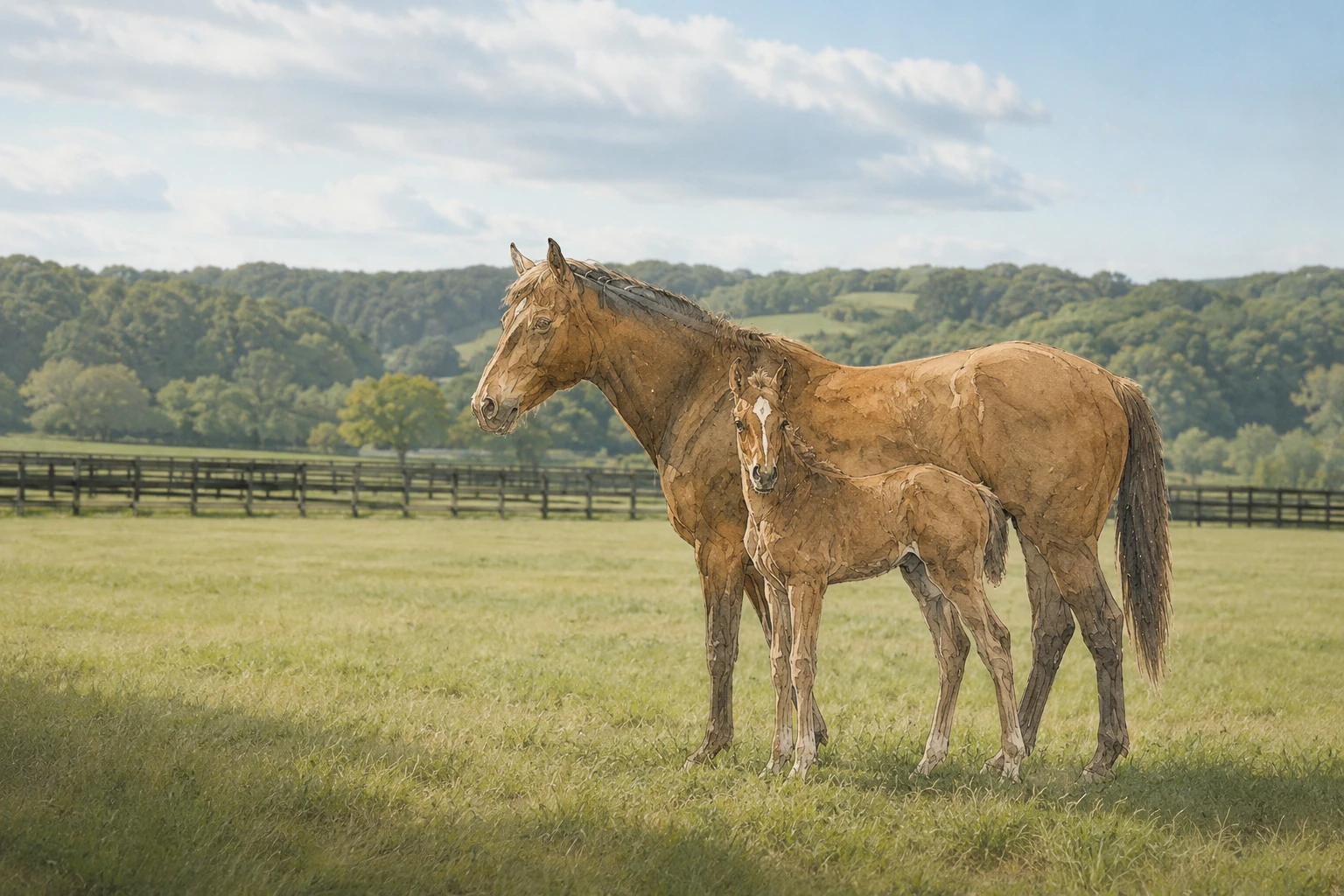
Broodmares and foals
- 03
The work of raising horses
CONTENTSTable of Contents
- 01An Active Thoroughbred Breeding Region
- 02A Long History of Horse Production
- 03A Town That Has Produced Famous Racehorses
- 04Thoroughbred Ginza
- 05Racehorses Are Raised Through Many Stages of Work
- 06Look Beyond Famous Horses to the Entire Industry
- 07Use the Right Way to Learn About the Horse-Breeding Region
SECTIONAn Active Thoroughbred Breeding Region
In Niikappu, work involved in producing racehorses—including breeding, foaling, development, training, and sales—continues today. This is a working industry, not scenery created for tourism.
SECTIONA Long History of Horse Production
Since the postwar period, producer organizations and horse-development environments have been built up, and racehorse production has continued across generations. The industry involves not only breeders but also veterinarians, farriers, transport services, feed suppliers, markets, and many other professions.
SECTIONA Town That Has Produced Famous Racehorses
Farms in Niikappu have produced racehorses remembered in Japanese racing history, including Narita Brian and Contrail. Behind their achievements lies a long development process in the breeding region.
SECTIONThoroughbred Ginza
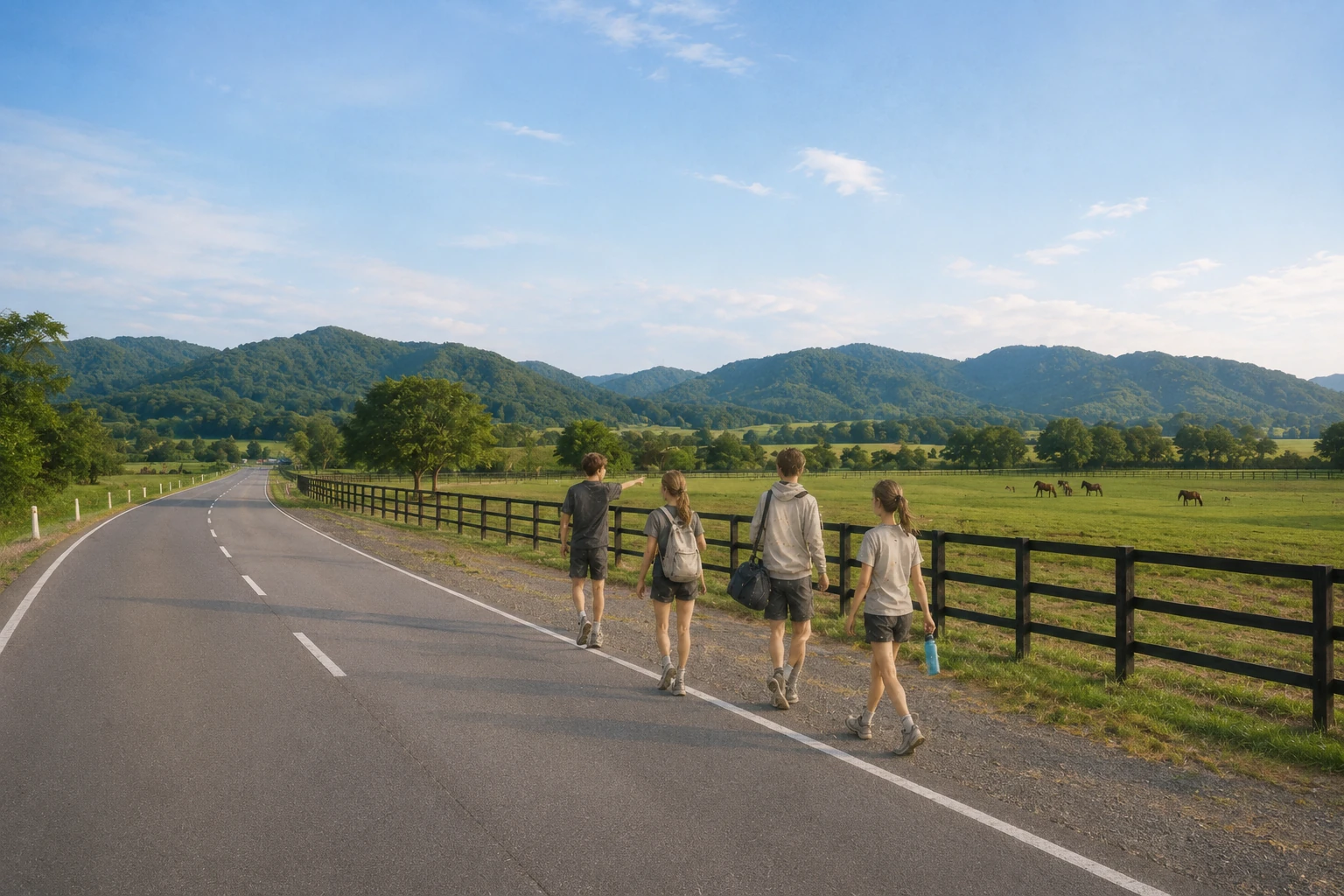
In the Takae area of Niikappu, Thoroughbred Ginza is lined with horse farms and grazing fields. It offers views characteristic of a horse-breeding region, but the farms are private property.
What to Notice Even If You Are New to Horse Racing
Fenced pastures and rolling hills
Broodmares and foals
The work involved in raising horses
Local industry and everyday life
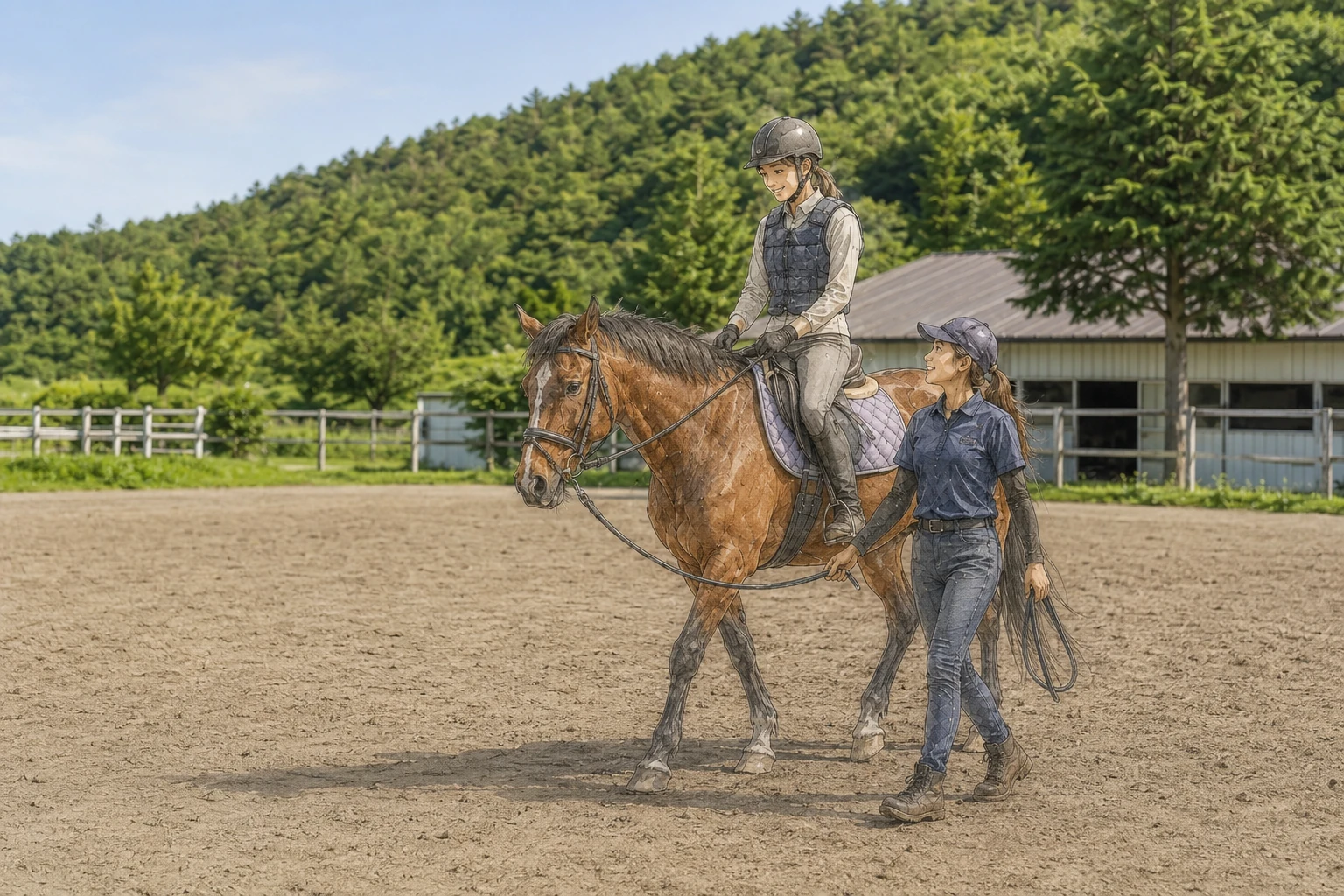
Experiences at public horseback-riding facilities
Check Farm-Visit Etiquette in the Separate Guide
If you want to see a particular farm or horse, confirm the permitted visiting times and the official point of contact. The Thoroughbred Ginza guide explains the detailed visit process.
Understand Horse Country by Keeping a Respectful Distance
Getting close to horses is not the only way to understand the region. Viewing the landscape from Thoroughbred Ginza Parking Park or public roads, checking local information at the Re・Cord Museum or roadside station, and choosing a horseback-riding facility open to the general public when you want direct interaction are all ways to enjoy the area while respecting the horse-breeding community.
SECTIONRacehorses Are Raised Through Many Stages of Work
Before a Thoroughbred reaches the racetrack, it passes through stages such as breeding, foaling, turnout, health management, acclimatization, development, sales, and transportation. Niikappu's farm landscape is a workplace where this long production process takes place every day.
| Stage | Main Work in the Region |
|---|---|
| Breeding and foaling | Health management for broodmares and foals |
| Growth and turnout | Husbandry, pasture management, and daily observation |
| Acclimatization and development | Getting horses used to people and equipment and teaching the basics |
| Sales and transfer | Markets, registration, transport, and connection to the next development stage |
SECTIONLook Beyond Famous Horses to the Entire Industry
Visiting the birthplace of a famous racehorse can be a starting point, but a breeding region is supported by far more than one horse's record. Breeders, veterinarians, farriers, feed and pasture production, transport, markets, and many other jobs are connected to the local economy and daily life.
SECTIONUse the Right Way to Learn About the Horse-Breeding Region
Use public roads or Thoroughbred Ginza Parking Park when you want to see the landscape, official guidance when you want to visit a particular horse, and a horseback-riding facility when you want to ride. Not entering places without permission when they do not match your purpose is a basic way to respect the culture of the breeding region.
Change Your Perspective Depending on Your Interest
| Interest | How to Enjoy the Area |
|---|---|
| Racing and bloodlines | Research the history of locally bred horses and the role of farms |
| Animals and nature | Quietly observe horse behavior and pasture scenery |
| Local industry | Learn about the work supporting breeding, development, and markets |
| Family travel | Use horseback-riding and visitor-information facilities |
Regardless of how much you know about racing, farms remain private property and active workplaces. Where visits are not permitted, enjoy the scenery from roads or Thoroughbred Ginza Parking Park.
Use Place Names and Horse Names Accurately
A racehorse's breeding location, development location, and place of residence are not necessarily the same. When introducing a horse in an article or on social media, check town information or official records and avoid confusing relationships such as 'bred in Niikappu' and 'standing in Niikappu.'
Use Official Information to Learn About the Region
Instead of approaching farms that are not open to visitors, use town materials, the Horse Country Guide information service, and the roadside station to learn about industry history and current visit conditions. Choose ways to deepen your understanding without disrupting work on site.
FROM READING TO PLANNING
Undecided details are useful planning information.
Even before dates or group size are final, we can help organize the next steps from your current conditions.REFERENCES
Reference Information
Last checked: 2026.08.08