


QUICK BRIEF
What You Will Learn
- 01
Compare the burden of traveling after work with leaving Saturday morning
- 02
Prepare substitute drivers and decide alcohol rules
- 03
Set the return-home target by working backward from Monday work
CONTENTSTable of Contents
- 01Choose Friday night or Saturday morning
- 02Do not rely on one fixed driver
- 03Participation fees and cancellations
- 04Set Sunday's finish time first
- 05Manage alcohol, driving and fatigue in one plan
- 06Example schedule that reduces strain in a one-night, two-day camp
- 07Decide how to share information with people who cannot attend everything
SECTIONChoose Friday night or Saturday morning
Traveling Friday night gives you more time on Saturday, but increases the burden of driving after work. Leaving Saturday morning is easier to manage from a safety perspective, but shortens the first day's activity time.
Basic one-night, two-day example
| Time | Plan |
|---|---|
| Saturday morning | Travel and arrival |
| Saturday afternoon | Main training session |
| Saturday evening | Meal and short meeting |
| Sunday morning | Review practice |
| Sunday afternoon | Pack up and return home |
SECTIONDo not rely on one fixed driver
Consider fatigue after training, night driving and work the following day, and prepare drivers who can rotate. Clearly separate people who drink alcohol from people who drive.
SECTIONParticipation fees and cancellations
Because last-minute changes are common due to work or family circumstances, decide the headcount-finalization date, how cancellation costs are handled and how much partial participants pay in advance.
Keep meetings short
Talking late into the night affects both the next day's training and the trip home. Narrow the agenda and move information that can be shared in advance to pre-trip communication.
Prioritize the Sunday return time
Do not extend the final practice too long. Set a departure time that includes packing up, bathing and rest, and leave enough margin so Monday work is not unnecessarily affected.
Do not underestimate travel fatigue on a weekend camp
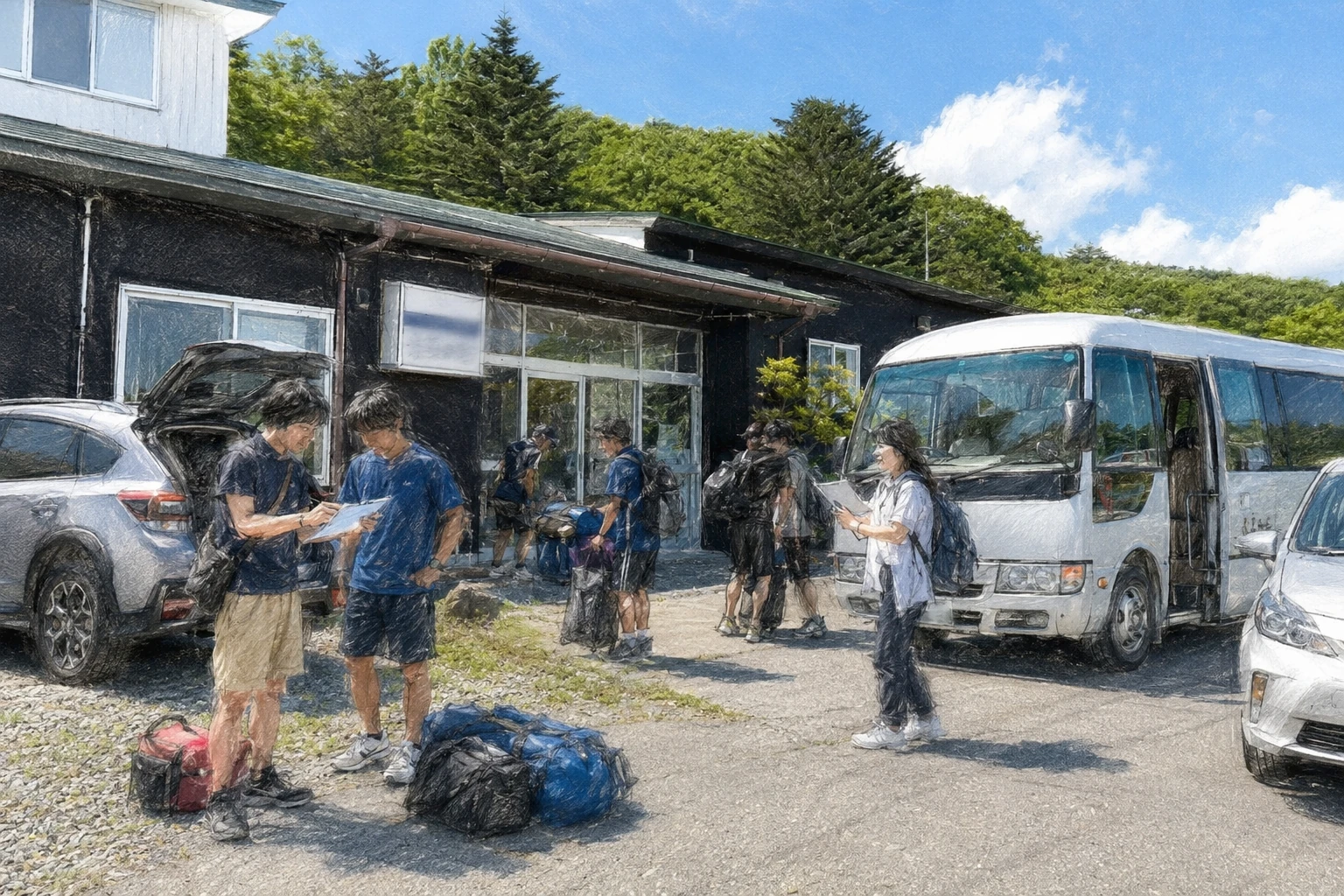
Leaving after work on Friday can mean a late meeting time, night driving and insufficient sleep that carry into Saturday's training. Plan around actual work-finish times by reducing the first day's load, leaving Saturday morning or rotating drivers.
Design the return trip with Monday work in mind
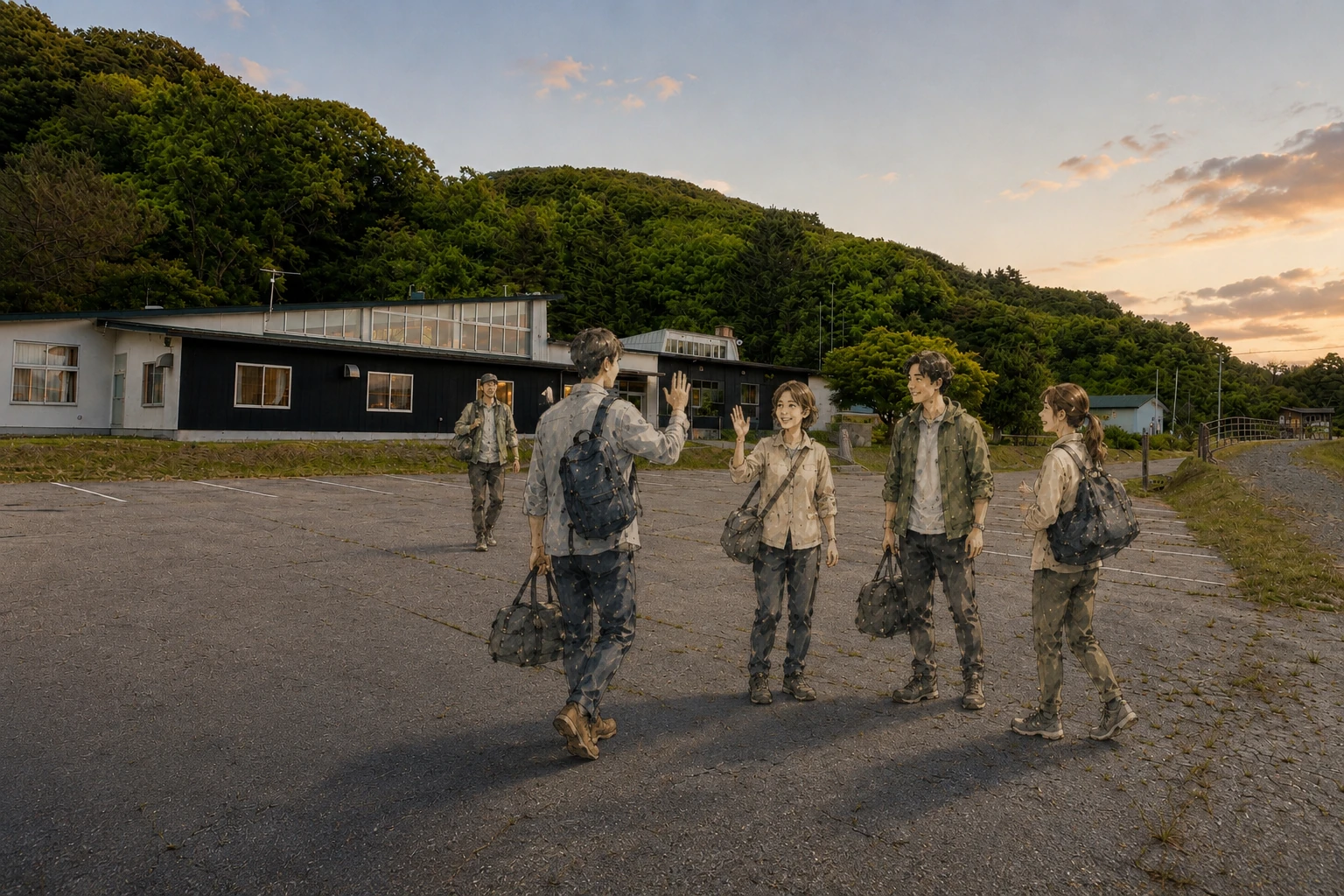
If Sunday training runs long, congestion or bad weather can delay the return home. Calculate the expected arrival time including packing, bathing, meals and driving breaks, and preserve enough time for participants who work the next day to rest.
| Issue | Example response |
|---|---|
| Delay after work | Set a meeting-time window and contact deadline |
| Driver fatigue | Rotate drivers, schedule breaks or move the stay earlier |
| Participation fee | Define how partial participation is charged |
| Alcohol | Assign next-day drivers in advance |
| Sunday return | Set a latest finish time |
Share goals beyond the sport itself
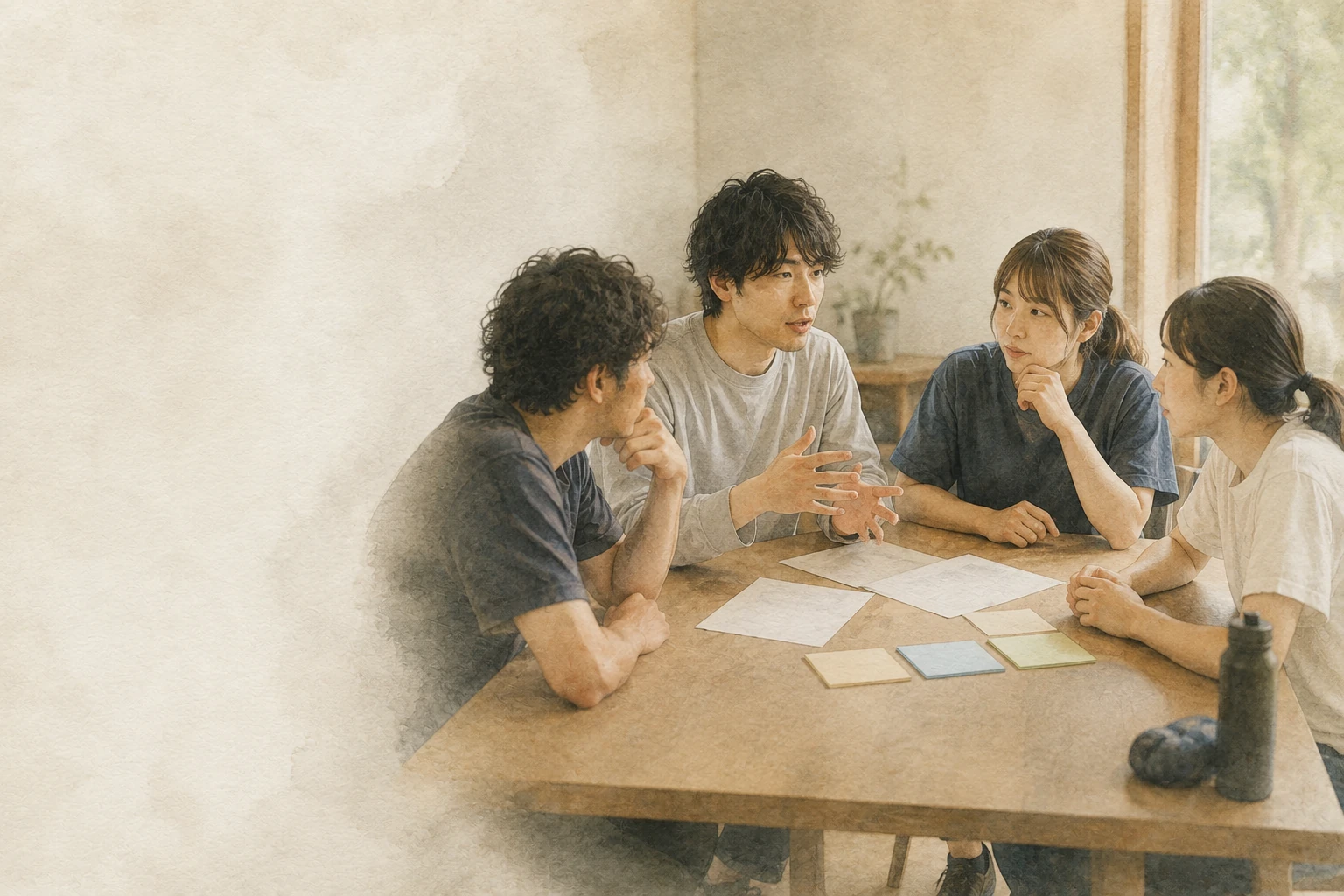
Social connection also matters for adult teams, but expectations can differ between people who prioritize training and people who prioritize social time. Show the expected training volume, free time, shared meals and lights-out approach in advance so people can decide whether to participate.
Compare Friday-night and Saturday-morning departures
| Departure option | Advantage | Points to watch |
|---|---|---|
| Friday night | Activities can begin Saturday morning | Fatigue after work, late arrival and driving burden |
| Early Saturday morning | Can reduce an extra night's accommodation cost | Early wake-up and activity burden immediately after arrival |
| Saturday midday | More travel margin | Less training time |
Do not compare the options only by training time. Include participation rate, the drivers' work-finish times and check-in conditions.
SECTIONSet Sunday's finish time first
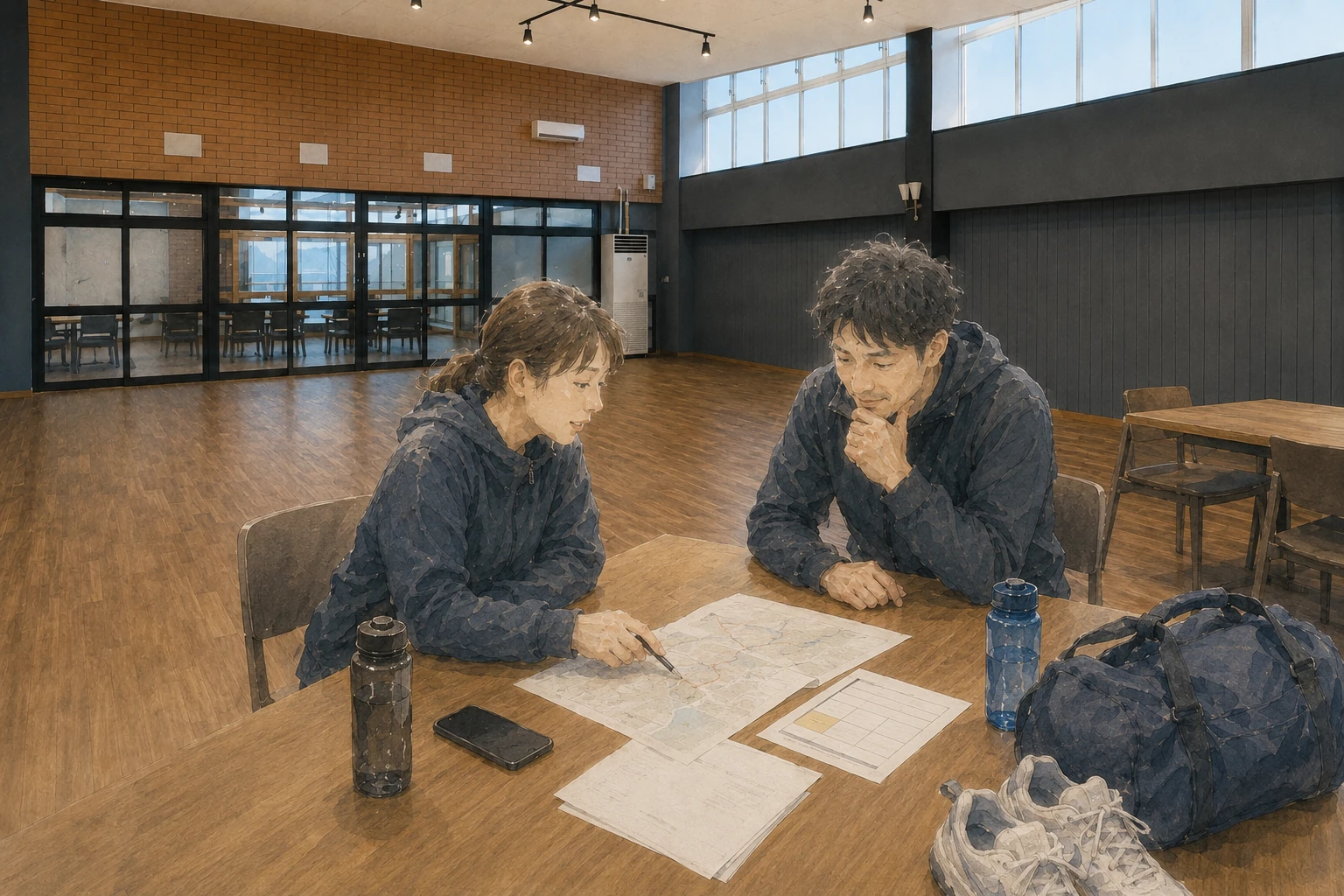
Extending the final practice affects the trip home, vehicle return and work the next day. Work backward from the target home-arrival time and set the departure time including packing, bathing, meals and rest.
SECTIONManage alcohol, driving and fatigue in one plan
If alcohol is part of social time, schedule things so no vehicle movement is needed afterward and decide the next-morning drivers in advance. Do not concentrate driving on people who are sleep-deprived or fatigued; plan driver-change points and breaks.
SECTIONExample schedule that reduces strain in a one-night, two-day camp
| Time | How to structure it |
|---|---|
| Saturday morning | After travel, begin with preparation and light activity |
| Saturday afternoon | Main training; reserve recovery time afterward |
| Saturday evening | Short review; next-day drivers do not drink alcohol |
| Sunday morning | Focused practice or a match |
| Sunday afternoon | Leave early enough to include packing, meals and breaks |
The more training you compress into a short trip, the greater the return-trip fatigue and impact on Monday work. Narrow the camp to one or two main objectives and leave time to recover after returning home.
SECTIONDecide how to share information with people who cannot attend everything
For people who miss part of the training because of work, share the meeting point, accommodation rules, costs and change notices through the same contact channel. Decide who receives late-arriving participants and explains keys and rooms when they arrive.
FROM READING TO PLANNING
Undecided details are useful planning information.
Even before dates or group size are final, we can help organize the next steps from your current conditions.REFERENCES
Reference Information
Last checked: 2026.08.12