


QUICK BRIEF
What You Will Learn
- 01
Check 2026 Hokkaido and Hidaka rules by fish species and location.
- 02
Do not label a specific harbor or riverbank as fishable without current management confirmation.
- 03
Plan for cancellation, including waves, rising water, brown bears and food-safety handling.
CONTENTSTable of Contents
- 01Before fishing in Niikappu|rivers and the sea require different checks.
- 02Fish species, closed seasons and harvest rules for river fishing.
- 03Restrictions around the mouth of the Niikappu River.
- 04Harbors, coasts and access rules for sea fishing.
- 05What to confirm in official information before choosing a fishing place.
- 06Judge hazards from weather, waves, rising water, rockfall and brown bears.
- 07Prepare clothing, safety gear and communication.
- 08Consider vehicles, trash, noise and neighbors.
- 09What to check before taking a fish home.
- 10Plan early-morning fishing and overnight stays without overreaching.
SECTIONBefore fishing in Niikappu|rivers and the sea require different checks.
Rivers involve inland-water rules by fish species and closed seasons; river mouths involve salmon/trout no-take zones; marine areas involve sea-area committee instructions and management of harbors and coasts. Even within Niikappu, the authority can change with the exact location, so do not assume the whole town follows one rule set.
This article uses Hokkaido’s 2026 Fishing Rules & Manners and Hidaka official guidance as its baseline. When the year changes, do not carry numbers or periods forward; update to the current-year material. On the day, on-site signs and manager instructions take priority.
| Area | Main checks | Decision |
|---|---|---|
| River | Species-specific closed seasons, harvest methods, rising water | Both the rule and water level must be acceptable |
| River-mouth area | Salmon/trout prohibited zone, period and map | Match current-year booklet with on-site signs |
| Harbor/coast | Access control, fishing work, waves | Do not assume fishing is allowed; confirm management |
SECTIONFish species, closed seasons and harvest rules for river fishing.
As a representative 2026 example, yamabe fishing is closed in all Hidaka rivers from May 1 through June 30. Harvesting salmon and trout in inland waters is prohibited year-round. These are examples, not a complete list of rules for every species and fishing method.
Once you choose a target species, cross-check four items in the current-year rules: fish name, river name, date and tackle/method. Where local names differ or you are unsure of identification, prepare to release rather than keep the fish until you can confirm the species.
SECTIONRestrictions around the mouth of the Niikappu River.
The 2026 booklet shows a salmon/trout no-take zone around the Niikappu River mouth extending 700 m to each side from the mouth center and 700 m offshore, from September 1 through November 30. Treat species, area and period as one set of conditions.
Do not estimate the boundary in the field from numbers alone. Compare the booklet map with on-site signs. The mouth shape, sign positions, construction or access controls may change, and stricter on-site instructions take priority.
Being outside the closed period does not mean you may enter private land, construction areas or fishing-work zones. Do not describe the river mouth as a “famous fishing spot” or a place where catches are expected; treat it as an area requiring both legal and access checks.
SECTIONHarbors, coasts and access rules for sea fishing.
Fishing harbors are working facilities for fishing and vessel operations. Do not declare any harbor generally open for fishing; check the manager, local signs, construction and work times. Stay out of no-entry zones, dangerous breakwaters, cargo-handling areas and mooring equipment.
As a representative 2026 Hidaka Sea-area instruction, Matsukawa flounder under 35 cm total length must be returned promptly to the sea. Do not wait until after landing a fish to look up the rule; learn identification and measurement beforehand.
Do not block vessels or fishing-gear routes
Do not park without permission
Follow no-entry and construction signs
Do not enter high breakwaters or wave-dissipating blocks
Take all trash, line and hooks home
SECTIONWhat to confirm in official information before choosing a fishing place.
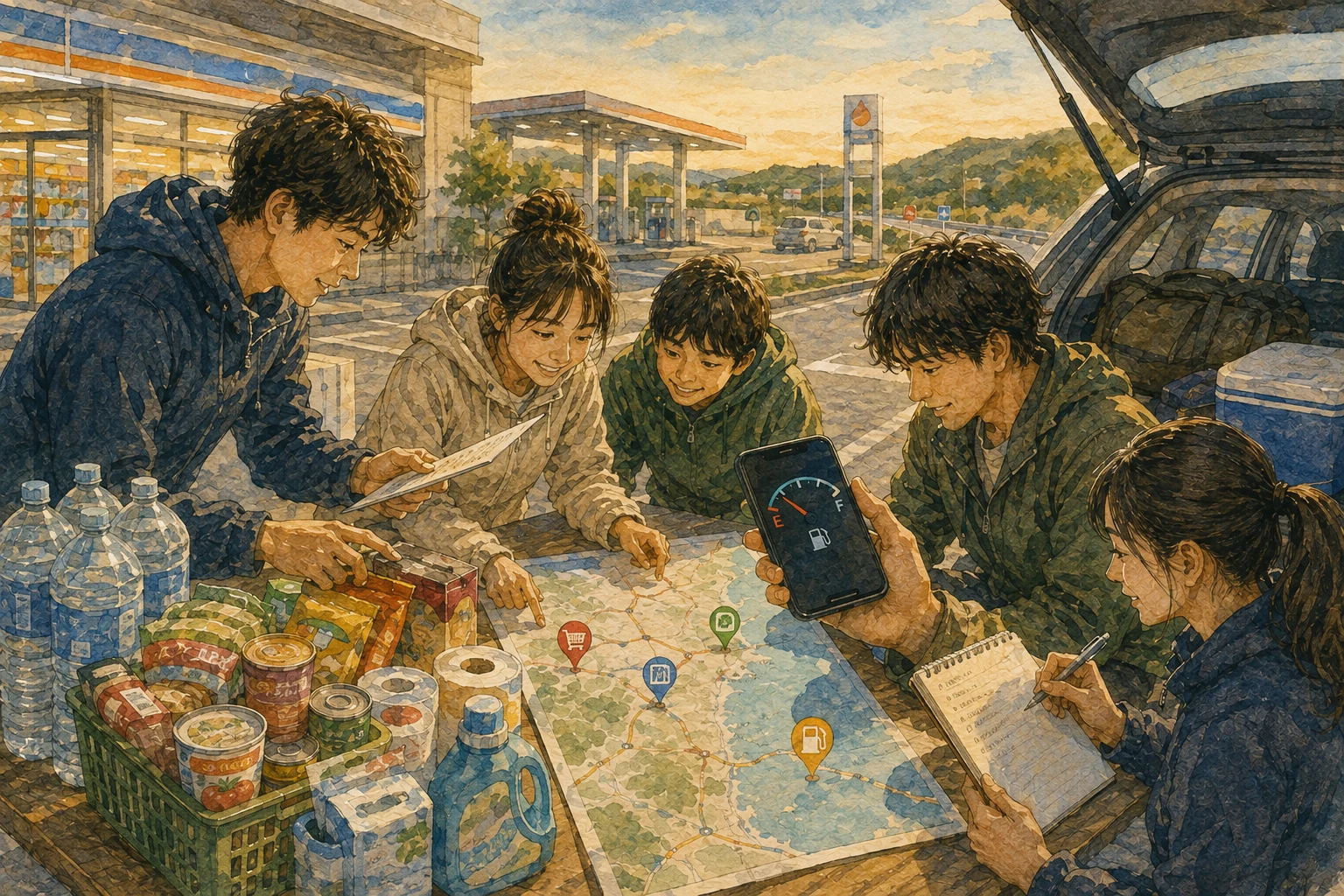
Layer the checks in this order: Hokkaido current-year rules, Hidaka/Subprefectural and sea-area committee instructions, local manager, then weather and river information. Personal blogs and old catch reports are not evidence of current legality or access.
- 01
Target species and harvestable period
- 02
Whether the place is river, river mouth or marine area
- 03
Prohibited zones and on-site signs
- 04
Access limits caused by management, construction or fishing work
- 05
Weather, waves and river level at the fishing time
- 06
Brown-bear sightings and nearby road information
If information conflicts, prefer the newer instruction from the organization that directly manages the place. Never fill an unknown with “probably okay”; change location or cancel the trip.
SECTIONJudge hazards from weather, waves, rising water, rockfall and brown bears.
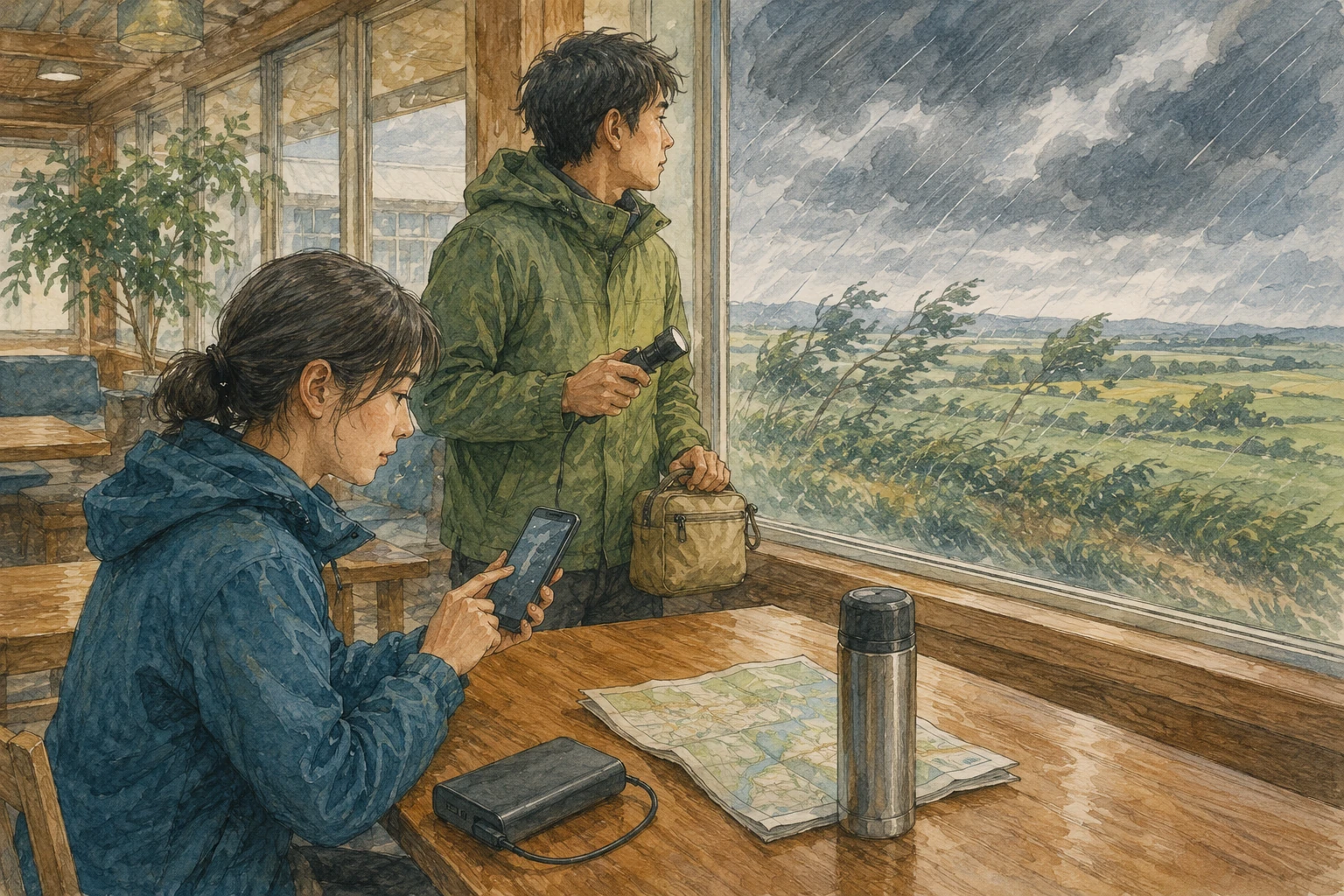
Check waves, thunder and heavy rain with JMA; river levels and rising water with River Disaster Prevention Information; brown bears with Hokkaido and Niikappu official information. Even with a calm forecast, cancel if waves are high, the river is muddy and rising, rockfall traces are visible or animal signs are present.
Hazards overlap: high waves and falls at sea, sudden rises in rivers, rockfall below slopes and brown bears near forest edges. Carrying a life jacket or bear-deterrence equipment is not a reason to enter a hazardous area.
SECTIONPrepare clothing, safety gear and communication.
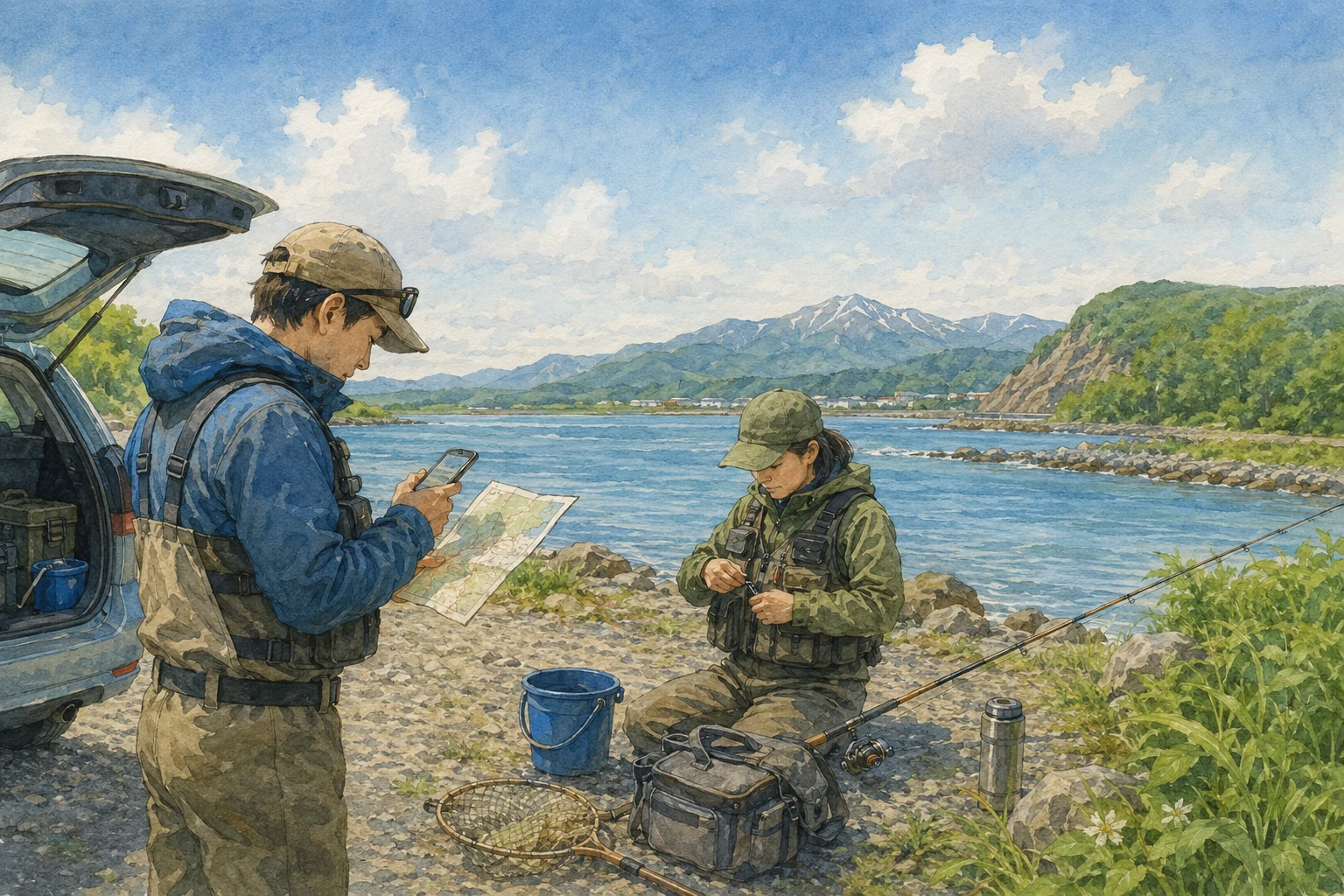
At the water, basic equipment includes non-slip footwear, weather-appropriate insulation and rainwear, a life jacket, gloves, light, first-aid kit, drinks and backup power. Waders can increase danger after a fall, so do not enter unfamiliar conditions simply because you have them.
Assume mobile service may be unavailable. Share destination, planned return time and vehicle location with companions or family. When alone, be even more conservative about entering places where you could not call for help.
Life jacket and non-slip footwear
Headlamp, spare batteries and power bank
Warm layers, rainwear and change of clothes
First-aid supplies, drinks and emergency food
Cooler and bags for trash and used tackle
Lay out equipment before departure and separate what you must wear, spare items left in the vehicle and cooling equipment for any fish kept. If even one essential item is missing among the group, do not assume you can buy it locally; postpone or cancel.
SECTIONConsider vehicles, trash, noise and neighbors.
Park only where the manager permits. Do not block fishing work, farmland, homes, evacuation routes or gates, and do not turn a roadside shoulder or vacant lot into a self-declared parking area. At night or early morning, reduce door noise, conversation and misdirected lights.
Line, hooks, soft lures, bait containers and fish-cleaning waste can injure wildlife and people. Do not expect a disposal point on site; prepare containers to take everything you used back with you.
If behavior repeatedly disrupts local life or fishing work, access restrictions may tighten. Include “leave no burden for the next user or manager” as a planning condition, not only whether you can catch fish.
SECTIONWhat to check before taking a fish home.
Before keeping a fish, confirm the species, total length and legal period/area. Where a size limit applies, such as Matsukawa in the Hidaka sea area, follow the rule and release the fish promptly. If identification is uncertain, do not plan to keep or eat it raw.
Cool any fish you keep promptly and transport it as food that may require refrigeration or freezing. Do not invent a universal safe holding time; prioritize general guidance from food-safety authorities.
Freshly caught does not guarantee safe raw consumption, and parasites such as Anisakis are a risk. If you cannot judge species, handling and temperature control, do not recommend raw consumption; consider sufficiently cooked preparation.
SECTIONPlan early-morning fishing and overnight stays without overreaching.
Leaving before dawn increases risks from dark driving, road conditions, access uncertainty, brown bears and falls. Avoid plans where you search for the site for the first time in darkness; remove places whose public parking or entrance cannot be confirmed in daylight.
Use a stay before or after fishing not to maximize catches but to avoid sleep deprivation, retreat when weather worsens and allow time to keep fish properly cooled. Do not assume unpublished BASE NIIKAPPU services or fish-cleaning facilities; ask about needed lodging/storage conditions in advance.
Confirm rules as a four-part set: species, place, date and harvest method. Even within Niikappu, rivers, river mouths and marine areas have different rules and management conditions, and a fish nickname is not enough. Do not substitute last year’s booklet, blogs or videos for 2026 rules; compare current Hokkaido material with Hidaka and local-manager guidance.
Set the fishing date and target species first, then check closed seasons, harvest bans and size limits
For river-mouth restrictions, confirm the river name and distances on the official map; do not set boundaries by eye
For harbors, revetments and private property, confirm access separately from whether harvest is legally permitted
Cancel if heavy rain, waves, river level or brown-bear information is concerning
Cool kept fish promptly and do not judge raw-eating safety by appearance immediately after catch
If you cannot find signs, cannot identify a boundary or cannot contact the manager, do not infer “allowed because there is no prohibition sign.” Act only within confirmed conditions and do not keep moving from one waterfront to another while stacking guesses. Prioritizing law, fishing operations, land use and safety over catches is the minimum condition for planning fishing in Niikappu.
With family members or beginners, explain fall-response procedures, hook management, life jackets and return time before teaching fishing technique. End the trip as soon as safety equipment is insufficient, wind or water level changes, or you cannot leave before dark; do not extend a short session beyond safe limits.
Keep a fishing memo with the source name, date checked and target location for every rule and safety item. If conditions change on site, do not continue based on an old memo; update to that day’s official information and manager instructions and share the change with companions.
FROM READING TO PLANNING
Undecided details are useful planning information.
Even before dates or group size are final, we can help organize the next steps from your current conditions.REFERENCES
Reference Information
- Niikappu Eco-Museum stone-marker information↗
- Hokkaido Fishing Rules & Manners 2026↗
- Fishing prohibitions in Hidaka rivers↗
- Hidaka Sea-area Fisheries Coordination Commission instructions↗
- Japan Meteorological Agency disaster information↗
- River Disaster Information↗
- Hokkaido brown-bear information↗
- MHLW six food-poisoning prevention points↗
- MHLW Anisakis food-poisoning prevention↗
Last checked: 2026.08.11