


QUICK BRIEF
What You Will Learn
- 01
Use Shizunai climate normals as a reference
- 02
Prepare for mornings, evenings and wind
- 03
Check the latest forecast separately
CONTENTSTable of Contents
- 01Use the Shizunai Observation Station for Monthly Climate Reference
- 02January to March | Prioritize Cold Protection and Icy-Road Preparation
- 03April to May | Use Layers for Temperature Swings
- 04June to August | Add a Light Layer to Summer Clothing
- 05September to November | Recheck How Far Fall Has Progressed
- 06December | Switch to Winter Gear
- 07Add Gear Based on Rain, Wind and Activity
- 08Order of Checks Before Traveling
SECTIONUse the Shizunai Observation Station for Monthly Climate Reference
The Japan Meteorological Agency's Shizunai observation station is a monitoring point in the Hidaka area near Niikappu. The values below are 1991–2020 climate normals averaged over 30 years; they are not measurements at the BASE NIIKAPPU property itself and are not a forecast for your travel date.
| Month | Mean Temperature | Mean Daily Maximum | Mean Daily Minimum | Precipitation | Total Snowfall |
|---|---|---|---|---|---|
| January | -3.4℃ | 0.7℃ | -7.8℃ | 31.6mm | 56cm |
| February | -2.9℃ | 1.2℃ | -7.7℃ | 25.5mm | 54cm |
| March | 0.8℃ | 4.8℃ | -3.3℃ | 46.4mm | 32cm |
| April | 5.7℃ | 9.9℃ | 1.4℃ | 74.2mm | 8cm |
| May | 10.8℃ | 15.0℃ | 6.6℃ | 114.9mm | 2cm |
| June | 14.7℃ | 18.3℃ | 11.4℃ | 86.4mm | 0cm |
| July | 18.7℃ | 22.0℃ | 16.1℃ | 131.6mm | 0cm |
| August | 20.7℃ | 24.0℃ | 17.8℃ | 170.9mm | 0cm |
| September | 17.8℃ | 22.0℃ | 13.7℃ | 131.4mm | 0cm |
| October | 11.6℃ | 16.3℃ | 6.8℃ | 98.2mm | 0cm |
| November | 5.3℃ | 9.7℃ | 0.9℃ | 80.6mm | 5cm |
| December | -0.8℃ | 3.1℃ | -4.9℃ | 51.7mm | 31cm |
SECTIONJanuary to March | Prioritize Cold Protection and Icy-Road Preparation
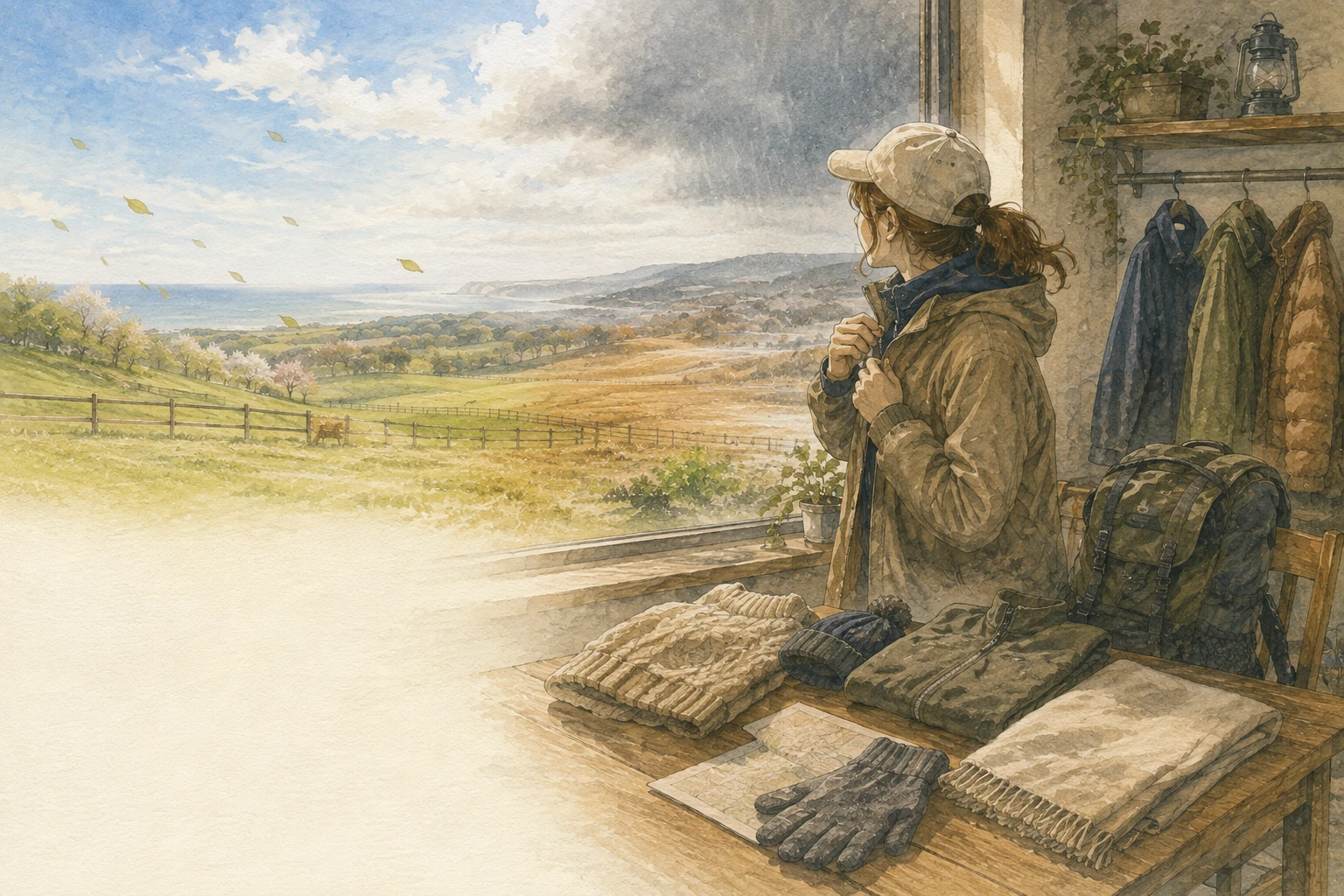
Mean temperatures are below freezing, with colder mornings and evenings. Prepare a wind-resistant outer layer, insulating mid-layer, gloves, a hat and winter footwear with good traction. If traveling by car, winter tires and current road information must be checked separately from clothing.
SECTIONApril to May | Use Layers for Temperature Swings
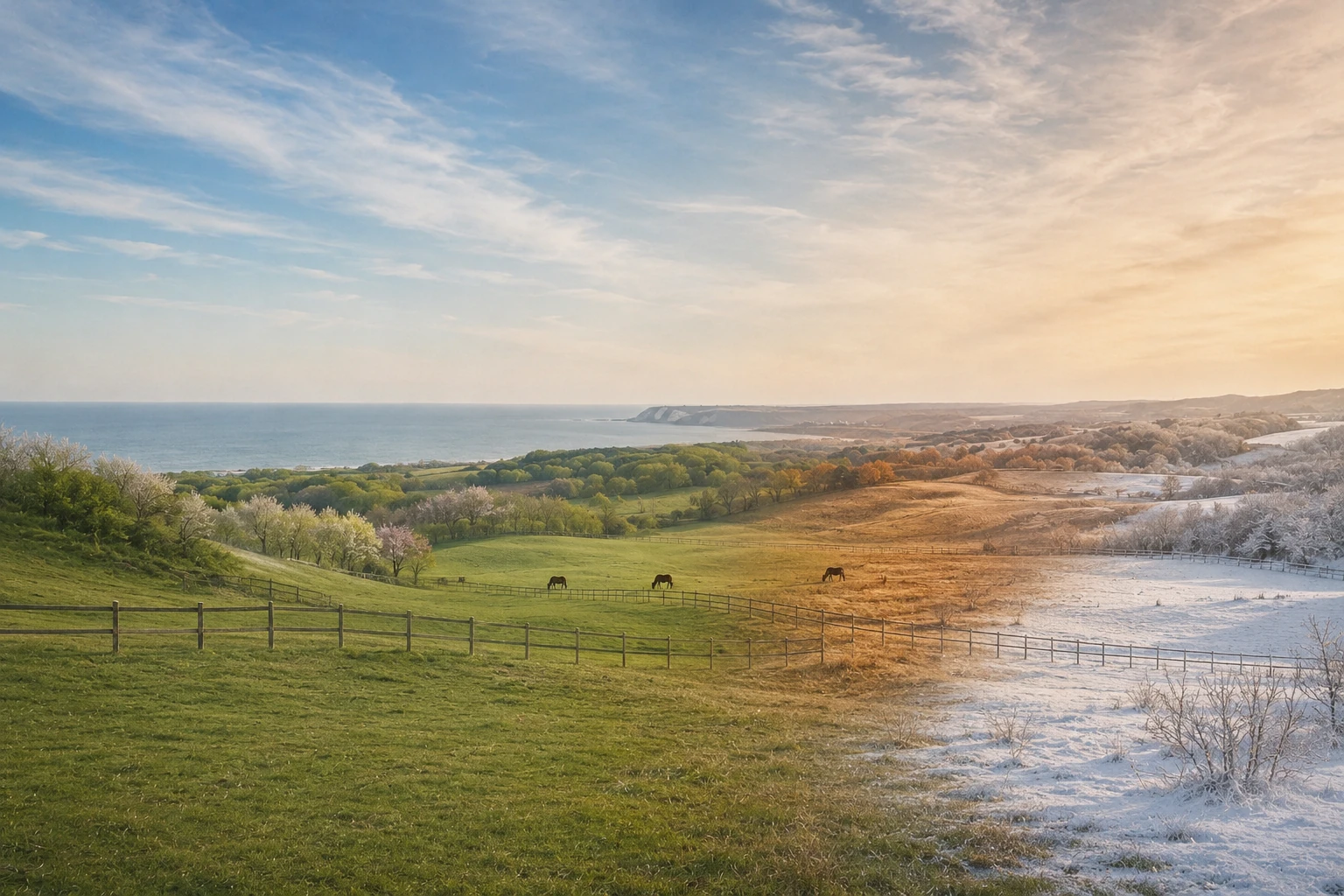
Even when daytime temperatures rise, mornings, evenings and windy locations can feel cold. Instead of relying on one heavy layer, combine a long-sleeve shirt, light mid-layer and wind-resistant outer layer so you can adjust. Snowfall has occurred even in spring, so check the forecast immediately before your visit.
SECTIONJune to August | Add a Light Layer to Summer Clothing
The August climate normal for the mean daily maximum temperature is 24.0℃, but recent heat, sunshine and humidity can change how conditions feel. Do not rely on short sleeves alone; bring a light long-sleeve layer for mornings, evenings, air conditioning and wind, plus a hat, drinks and rain gear for outdoor activities.
SECTIONSeptember to November | Recheck How Far Fall Has Progressed
September is relatively comfortable, but mornings and evenings become colder from October, and the November climate normal for the mean daily minimum is 0.9℃. Add a wind-resistant, insulating outer layer, and if you will be out after sunset, carry one level warmer gear.
SECTIONDecember | Switch to Winter Gear
Mean temperature falls below freezing and the snowfall normal also increases. Even for short walks at sightseeing sites, plan for wind and icy surfaces, reduce exposed skin, and bring spare socks or gloves in case they get wet.
SECTIONAdd Gear Based on Rain, Wind and Activity
| Situation | What to Add |
|---|---|
| Ranch scenery or the coast | A wind-resistant outer layer |
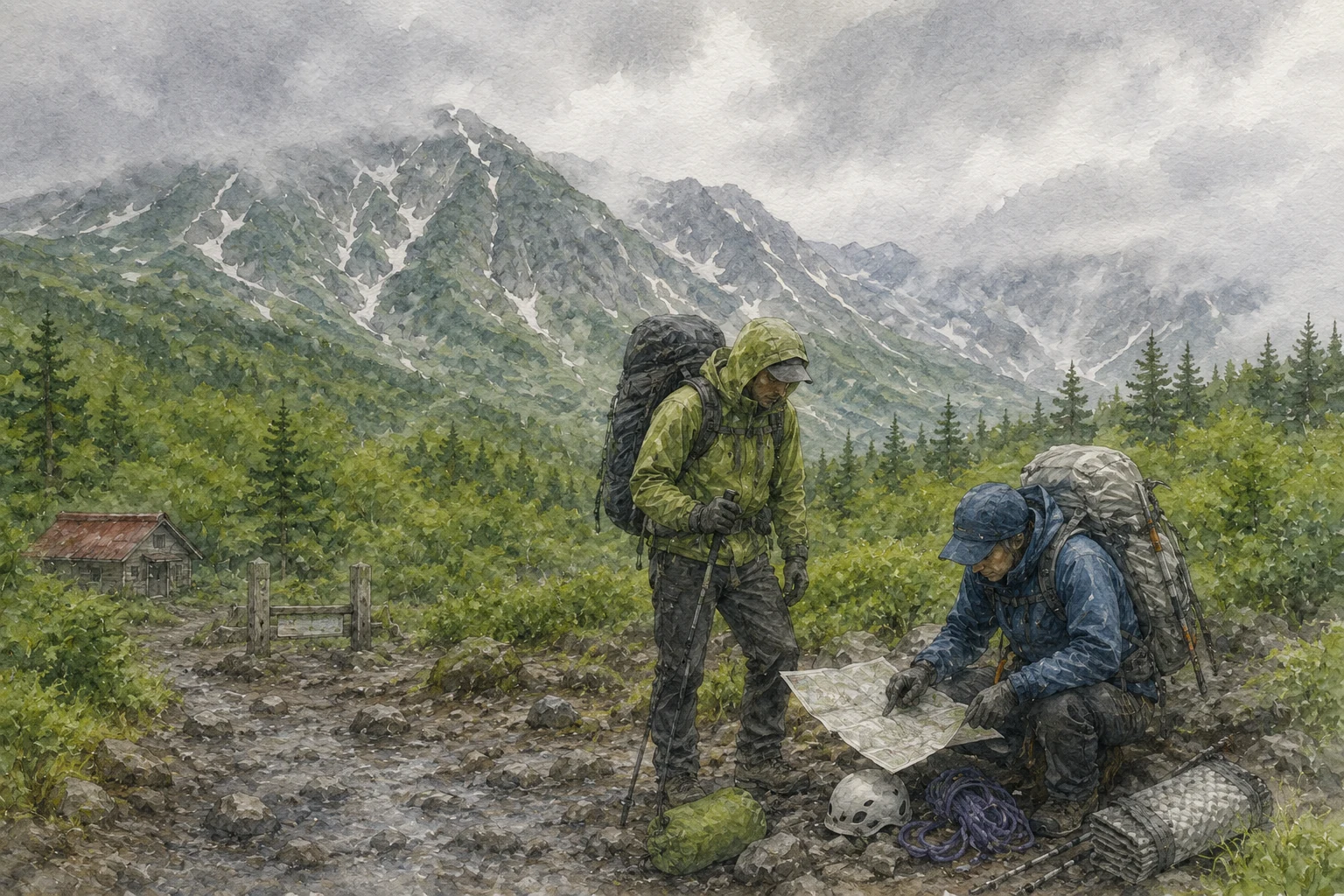
| Forest or outdoor walking | Rain gear, footwear that handles dirt, and insect protection |
| Horseback riding or activities | Clothing and footwear specified by the operator |
| Group travel | Layers that can be adjusted inside and outside vehicles |
| Morning/evening photography | An outer layer one level warmer than the season suggests, plus gloves |
SECTIONOrder of Checks Before Traveling
- 01
Use climate normals to choose basic seasonal gear
- 02
Check the weekly forecast one week before travel
- 03
The day before, check maximum/minimum temperatures, precipitation and wind
- 04
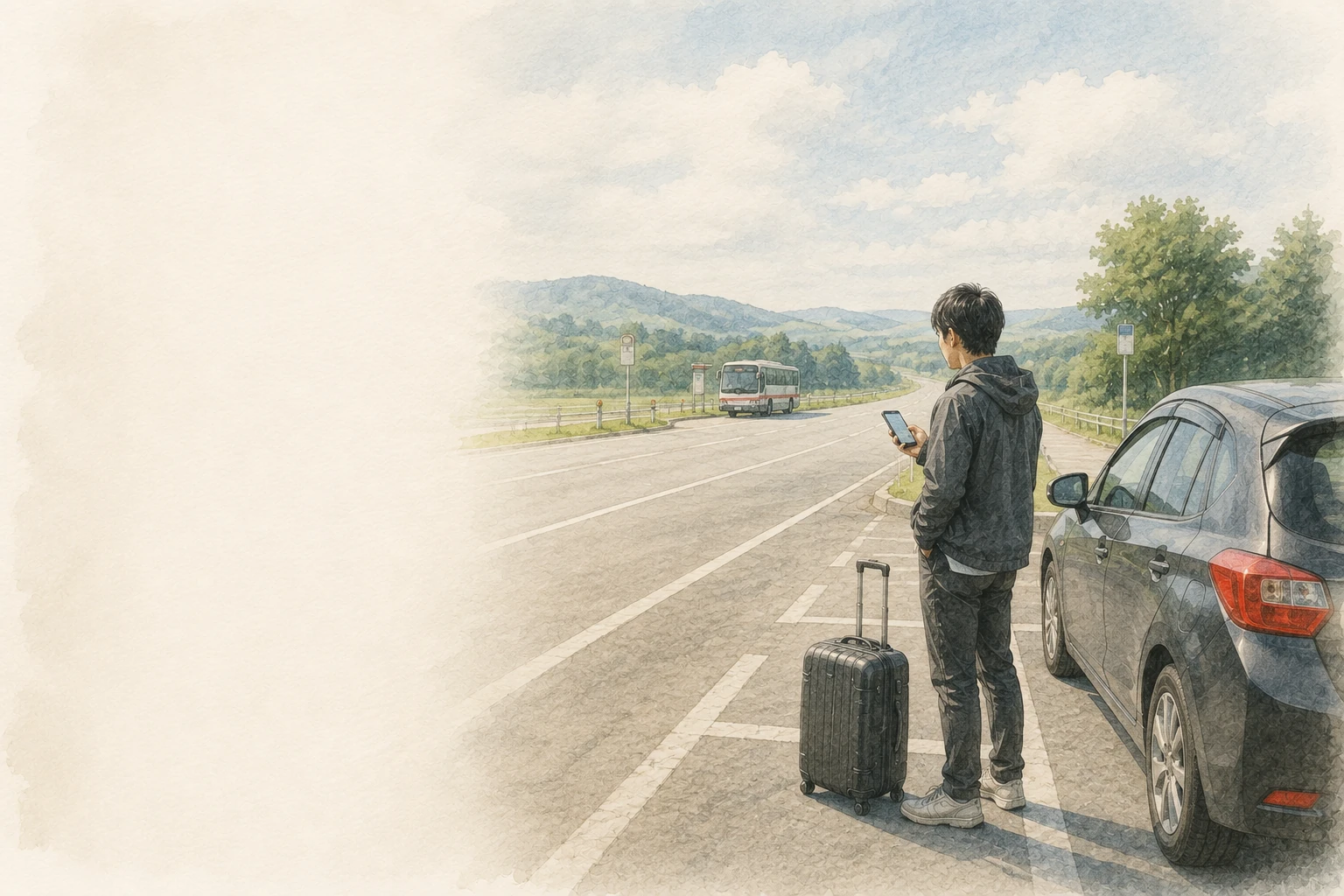
On the day, check warnings/advisories and road information
- 05
Confirm clothing and usage conditions for the activity site
FROM READING TO PLANNING
Undecided details are useful planning information.
Even before dates or group size are final, we can help organize the next steps from your current conditions.REFERENCES
Reference Information
Last checked: 2026.08.09