


QUICK BRIEF
What You Will Learn
- 01
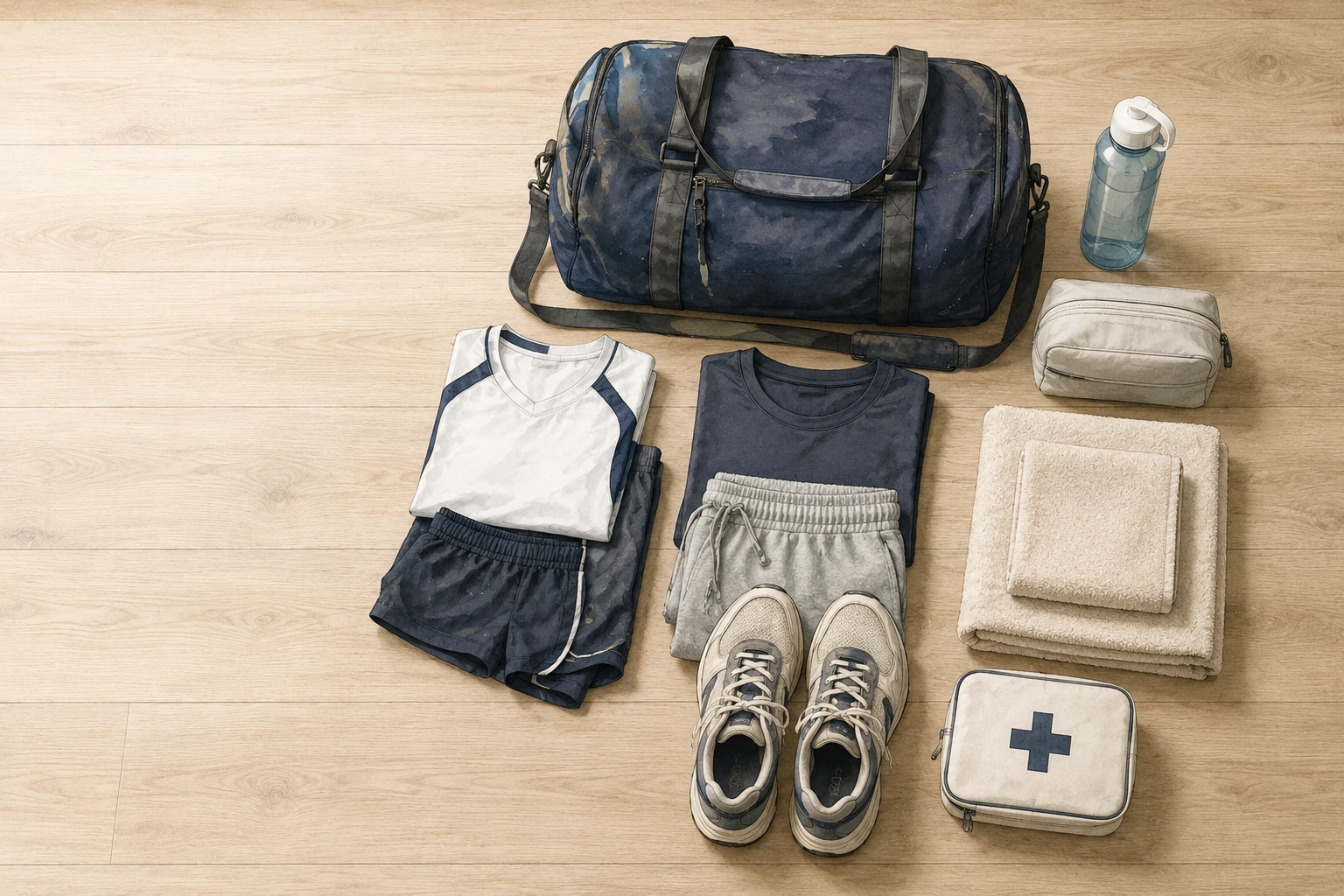
Personal daily-use items
- 02
Sports equipment
- 03
Shared team supplies
CONTENTSTable of Contents
SECTIONDivide belongings into three categories
Personal daily-use items
Sports equipment
Shared team supplies
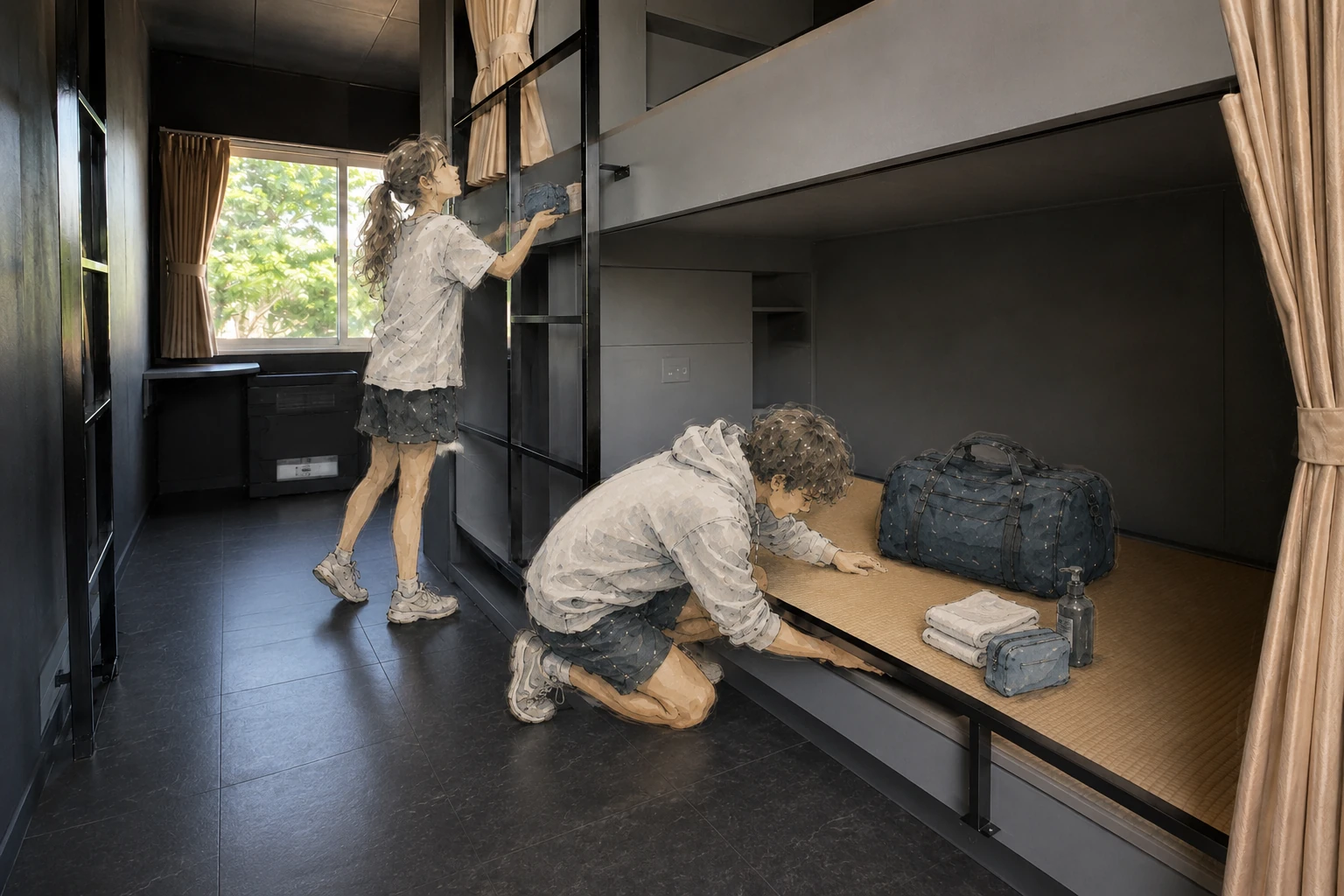
Set a location for each category on arrival and keep corridors and evacuation routes clear.
Label items with names and room numbers
Label similar-looking items such as bags, shoe bags, chargers, towels and bottles. For children's groups, make the labels clear enough for supervisors as well as the owner to identify them.
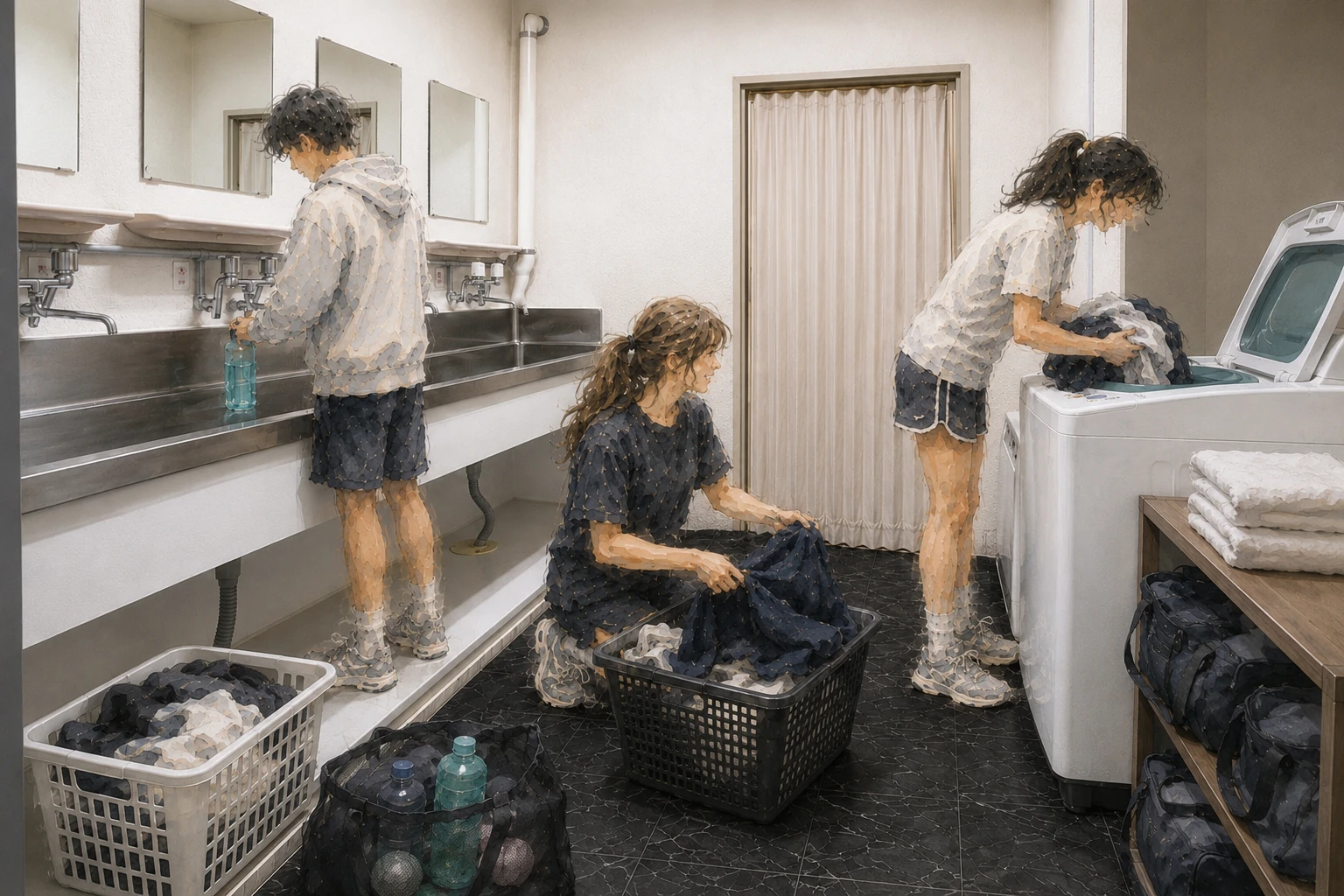
Set a laundry flow
- 01
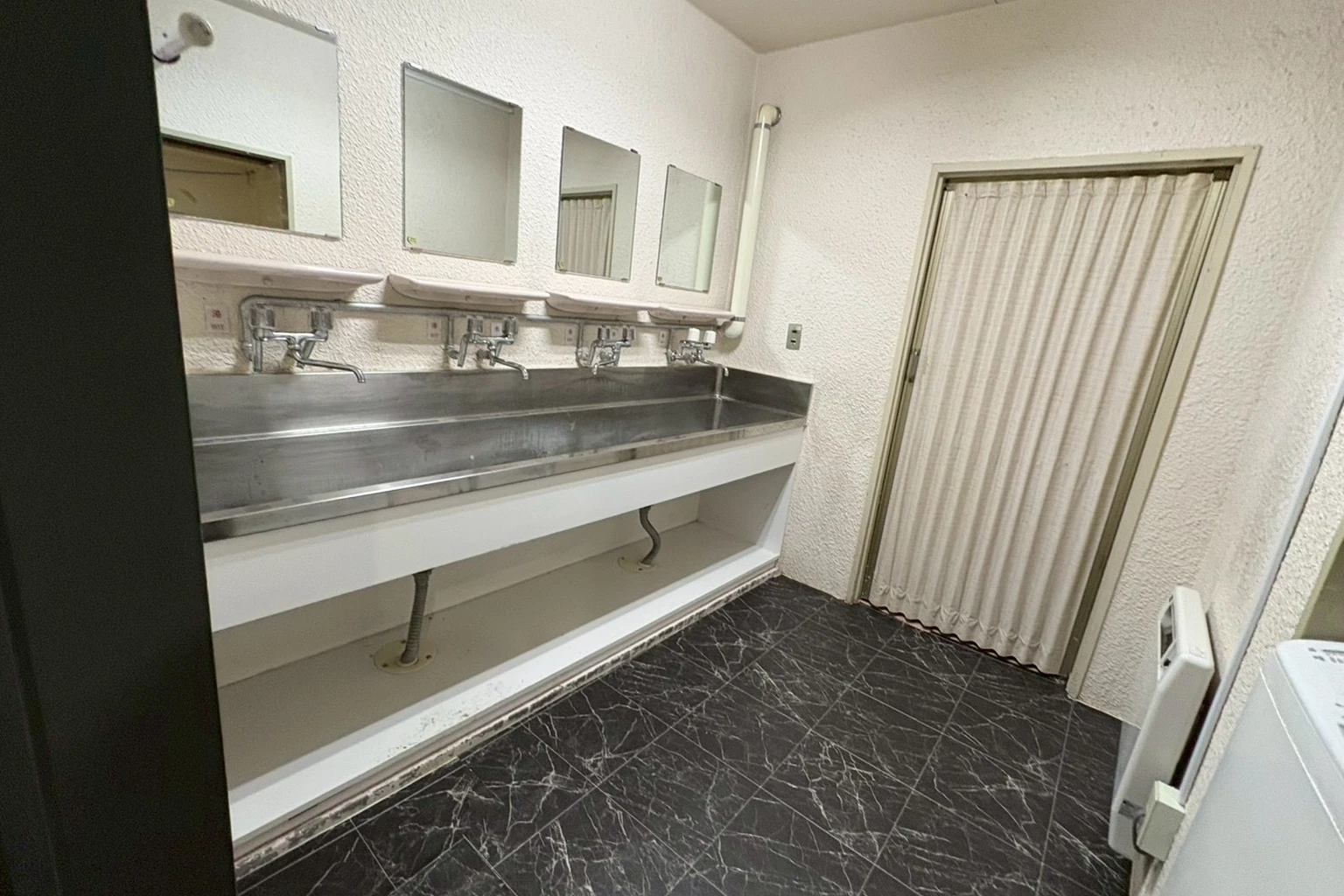
Confirm laundry equipment and available hours.
- 02
Assign time slots by room or school year.
- 03
Separate individuals with laundry nets or bags.
- 04
Assign responsibility for drying and collection.
Assign a person responsible for equipment
For balls, tools, first-aid items, bibs and similar shared equipment, assign someone to check items out and back in. Counting them immediately after use helps prevent shortages being discovered only on the final day.
SECTIONManage charging locations
Confirm with the facility where devices and equipment may be charged and the available electrical capacity. Do not add extension cords without permission, and do not leave charging devices unattended.
Create a five-minute organizing period every night
Before lights-out, check wet items, next-day sports equipment, valuables and shared supplies. A short daily check is more effective than trying to organize everything at once on the last day.
SECTIONCreate three management zones inside the facility
Keeping personal luggage, sports equipment and laundry in the same place increases loss and hygiene problems. With facility permission, separate personal luggage in bedrooms, shared team equipment in a common area, and clothing before/after washing, and assign responsibility for each zone.
| Zone | Management method |
|---|---|
| Personal luggage | Group by room and bed |
| Team equipment | Use a quantity list and an equipment-out lead |
| Laundry | Separate unwashed, washing and dried items |
| Valuables | Individual management or one agreed method |
SECTIONStart laundry planning by checking the actual equipment
Check not only whether washing machines exist, but also the number of machines, usable hours, detergent, drying method and places where clothes may be hung. If washing everyone's clothing every day is unrealistic, increase quick-drying clothing or prioritize sportswear in advance.
SECTIONRecord equipment taken out and returned
The number of balls and protective equipment changes each time they are taken to a practice venue. Check three times: before departure, when leaving the venue and after returning to the accommodation. If anything is damaged or wet, address it before the next day's use.
Decide storage locations immediately after arrival
Luggage management starts before unloading, not after everyone has gone to their rooms. Set temporary locations for personal bags, sports equipment, wet items and shared supplies, and keep evacuation routes and entrances clear. Confirm with the facility whether large equipment may be brought into guest rooms.
Separate wet items from dry items
In rain or during consecutive practice days, shoes, protectors and bags can become wet as well as clothing. Separate unwashed, washed and waiting-to-dry items, and do not place them directly on bedding or shared furniture. Do not rely on deodorizing spray alone; secure sufficient drying time.
| Check point | What to check |
|---|---|
| Before leaving for practice | Sports equipment, first-aid supplies and drinks |
| When leaving the venue | Quantity, damage, forgotten items and wet items |
| On return to the facility | Drying, laundry and next-day items |
| Final day | Loading by vehicle, items to return and charging devices |
Assign a return checker for shared items
For borrowed items, chargers, tools and keys, having a return checker separate from the person who brought them reduces omissions. Do not rely only on the final-day check; return items to their designated place at the end of every day.
SECTIONFix the same daily reset procedure
- 01
After returning from practice, count shared supplies.
- 02
Separate wet items from laundry items.
- 03
Prepare next morning's sports equipment in one place.
- 04
Check charging devices and valuables.
- 05
Return personal items from corridors and shared spaces.
Even about ten minutes in the same order every day can reduce the chance of discovering a shortage for the first time on the last day. Do not make the assigned lead put everything away; separate individual checks from team checks.
Share a photo of the designated storage areas
Sharing a photo of the locations set by the leader makes it easier for late arrivals or members in another vehicle to follow the same system. If photographing inside the facility or other people's belongings, limit the sharing scope appropriately.
FROM READING TO PLANNING