


QUICK BRIEF
What You Will Learn
- 01
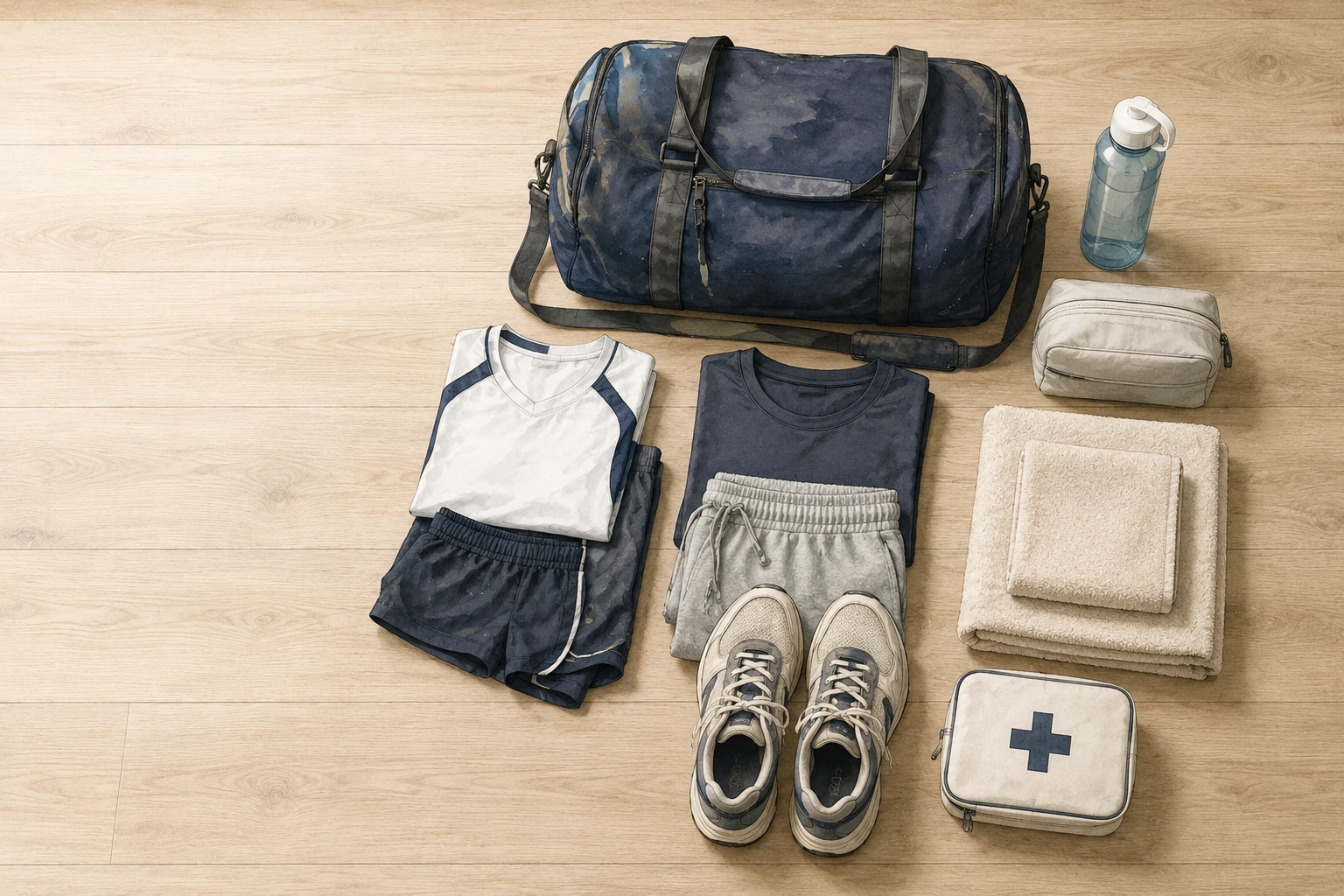
Pack items that will not be used the next morning.
- 02
Count sports equipment.
- 03
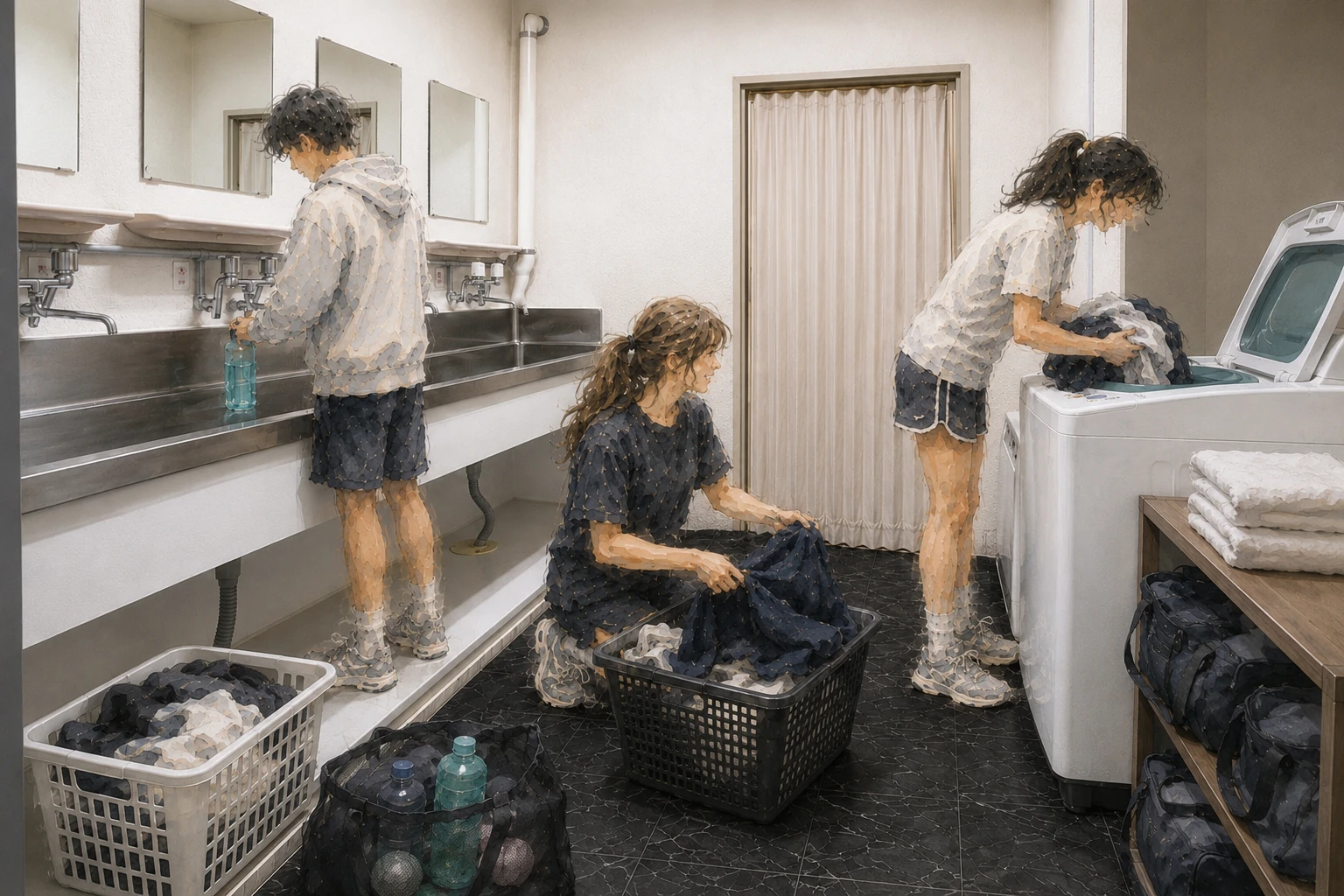
Separate wet items.
CONTENTSTable of Contents
- 01Prepare the night before
- 02Final roll call and loading check
- 03Divide the facility into check zones
- 04Use one contact point after forgotten items are found
- 05Example check sequence starting 60 minutes before departure
- 06Do not confuse room-release checks with cleaning
- 07Make a final check after returning home or to school
SECTIONPrepare the night before
Pack items that will not be used the next morning.
Count sports equipment.
Separate wet items.
Gather chargers.
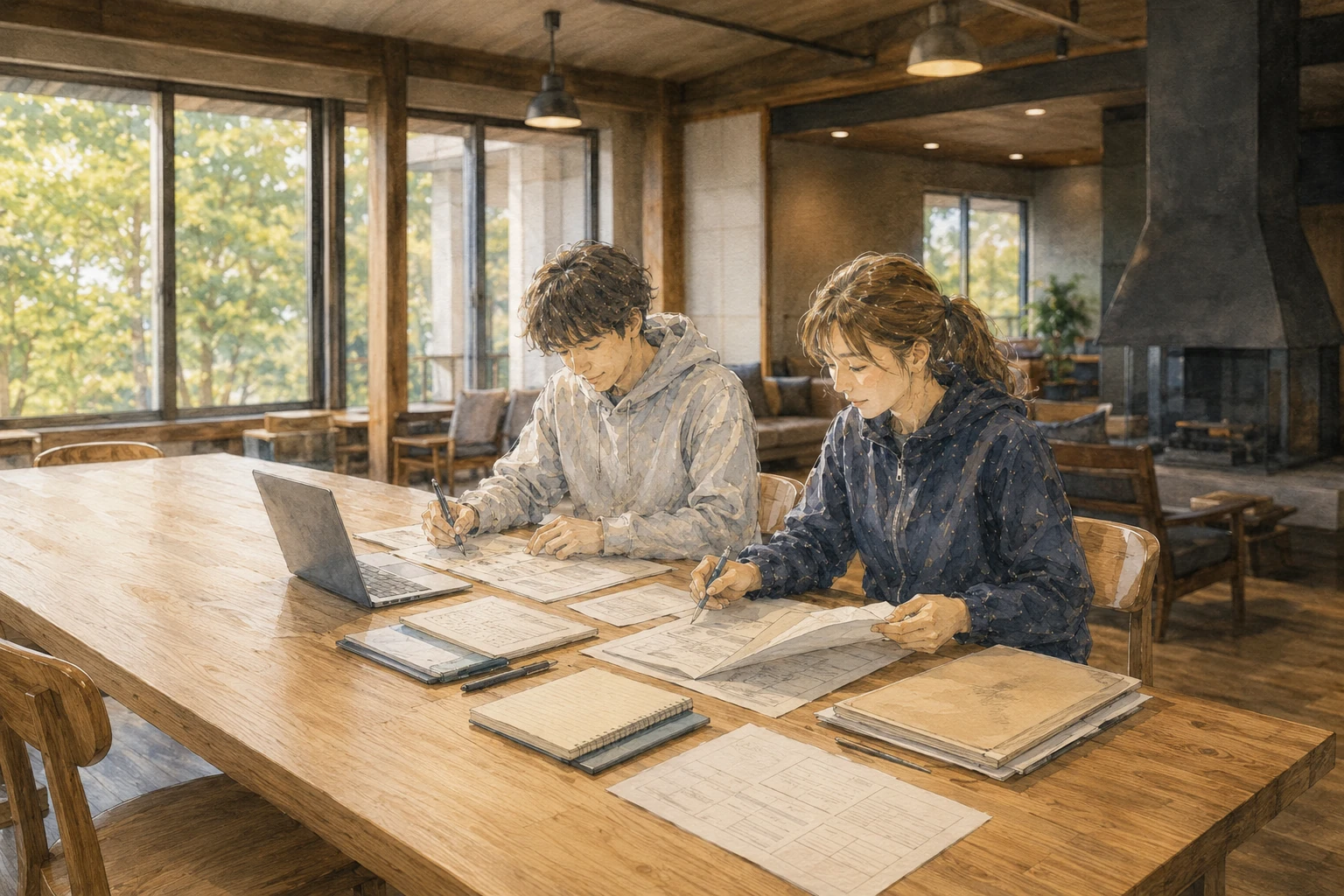
Share the departure time and assigned roles.
Check by location
| Location | Main checks |
|---|---|
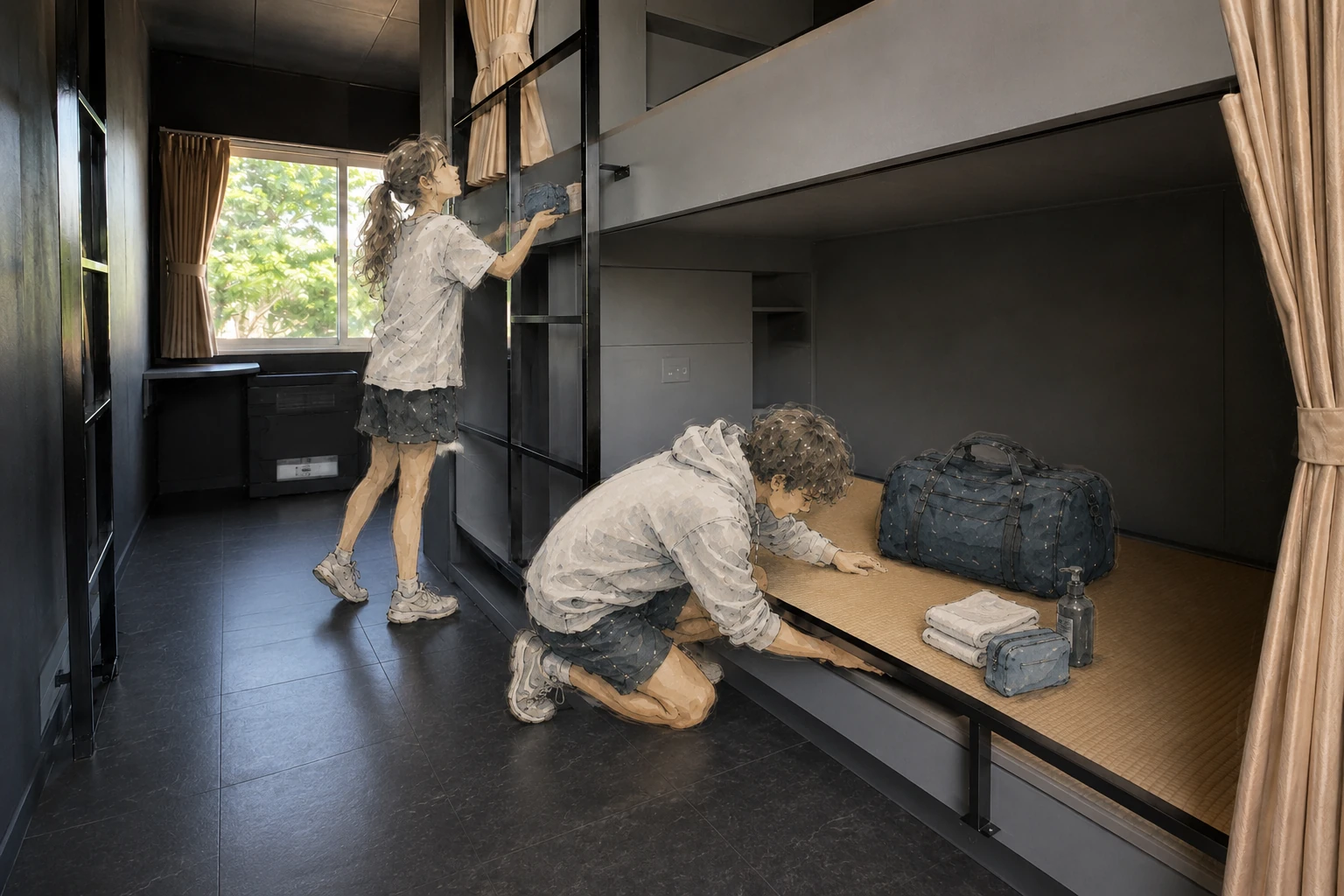
| Bedroom | Around bedding, shelves and outlets |
| Bathroom | Towels and toiletries |
| Wash area | Toothbrushes and cosmetics |
| Shared space | Drinks, documents and equipment |
| Entrance | Shoes, umbrellas and outdoor footwear |
| Vehicle | Seats, cargo area and outside the vehicle |
Divide responsibilities
Assign people to rooms, shared areas, equipment and vehicles, and have them report completion to the overall lead. When one person checks everything, omissions become more likely.
SECTIONFinal roll call and loading check
- 01
Take a roll call of participants.
- 02
Confirm who is in each vehicle.
- 03
Reconcile equipment counts.
- 04
Return keys and facility items.
- 05
Make one final forgotten-item check.
If a forgotten item is found
When contacting the facility, provide the stay date, group name, room, identifying features of the item and contact details. Storage and shipping conditions vary by facility.
Record lessons for the next trip
Record what was actually easy to forget and which areas ran out of time, then update the next checklist.
Close checkout room by room
If everyone checks at once, areas appear that each person assumes someone else has already checked. Have a room lead check bedding, storage, outlets, windows, floor and corridor, then report completion to the overall lead.
| Check location | Commonly forgotten items |
|---|---|
| Bedroom | Chargers, clothes and items around bedding |
| Bathroom / wash area | Towels, toiletries and bottles |
| Shared space | Documents, medication, food and cables |
| Vehicle | Under seats, cargo area and sports equipment |
| Outside facility | Drying area, entrance and parking area |
Load by category, not simply by departure order
Separate sports equipment, personal luggage, items needed during the return trip and valuables. Do not bury jackets or medication needed at a rest stop deep in the cargo area, and count equipment twice: when leaving the venue and when leaving the accommodation.
Leave a contact point after departure
The responsible person should know how to contact the facility about forgotten items, how pickup or shipping works, and who pays the cost. Leave a phone number the facility can reach and continue checking with participants for a reasonable period after return.
SECTIONDivide the facility into check zones
When everyone searches together, it becomes unclear what has already been checked. Divide the site into bedrooms, water-use areas, shared spaces, charging locations, equipment storage and vehicles, and have each assigned person report to the lead after checking.
| Zone | Commonly forgotten items |
|---|---|
| Bedroom | Around bedding, under beds, outlets and small items |
| Bathroom / wash area | Towels, toiletries, bags and chargers |
| Shared space | Bottles, jackets, documents and rubbish |
| Equipment area | Sports items, first-aid kit and borrowed items |
| Vehicles | Under seats, cargo areas and items loaded into the wrong vehicle |
Work backward from the facility's confirmed checkout time
Do not begin packing immediately before departure. Pack personal luggage the night before, then add only bedding, toiletries and charging devices used in the morning. Set the packing-complete deadline by subtracting the time needed for cleaning, roll call, returning keys and vehicle checks from the confirmed facility schedule.
SECTIONUse one contact point after forgotten items are found
If the facility contacts the group, asking every participant separately slows the response. Have the group lead receive a photo or description, identify the owner, coordinate pickup/shipping cost and give one return address.
SECTIONExample check sequence starting 60 minutes before departure
| Time | Action |
|---|---|
| 60 min before | Close personal luggage and inspect each room |
| 45 min before | Assigned checks of bathroom, wash area and shared spaces |
| 30 min before | Count equipment, returns and vehicle-by-vehicle loading |
| 15 min before | Roll call, key return and confirmation with facility contact |
| Departure | Final check inside vehicles and around the parking area |
Increase the time for larger groups or facilities. To prevent participants from reopening luggage during the final check, keep items needed immediately before departure in a separate small bag.
SECTIONDo not confuse room-release checks with cleaning
Facility-required tidying or cleaning and the group's forgotten-item check are separate tasks. Assign different responsibilities and do not turn a cleaned area back into a luggage zone. If damage or soiling is found, report it to the facility before departure rather than hiding it.
SECTIONMake a final check after returning home or to school
After returning, confirm that shared items, borrowed items and accounting documents are back with the responsible people. Gather items found in vehicles or at the meeting point with the group lead and manage them so they are not confused with items later reported by the facility.
FROM READING TO PLANNING