


QUICK BRIEF
What You Will Learn
- 01
Check transport information separately from facility arrival conditions
- 02
Plan to finish unloading before dark
- 03
Confirm winter facility operations instead of assuming them
CONTENTSTable of Contents
- 01Check transport and arrival conditions separately before the trip
- 02Think about arrival through completion of unloading, not only check-in time
- 03Bring easy-to-adjust layers and spare items
- 04Plan so baggage is not left outside for long
- 05Confirm parking, snow removal and large vehicles in advance
- 06Add winter items to the usual overnight packing list
- 07Do not force arrival during serious delays or suspensions
SECTIONCheck transport and arrival conditions separately before the trip
Even if roads or buses are operating, the parking location, walking surface from the parking area to the entrance, and arrival/reception conditions may be different. Before the visit, check official weather, road and transport information and tell the facility your expected arrival time and travel method.
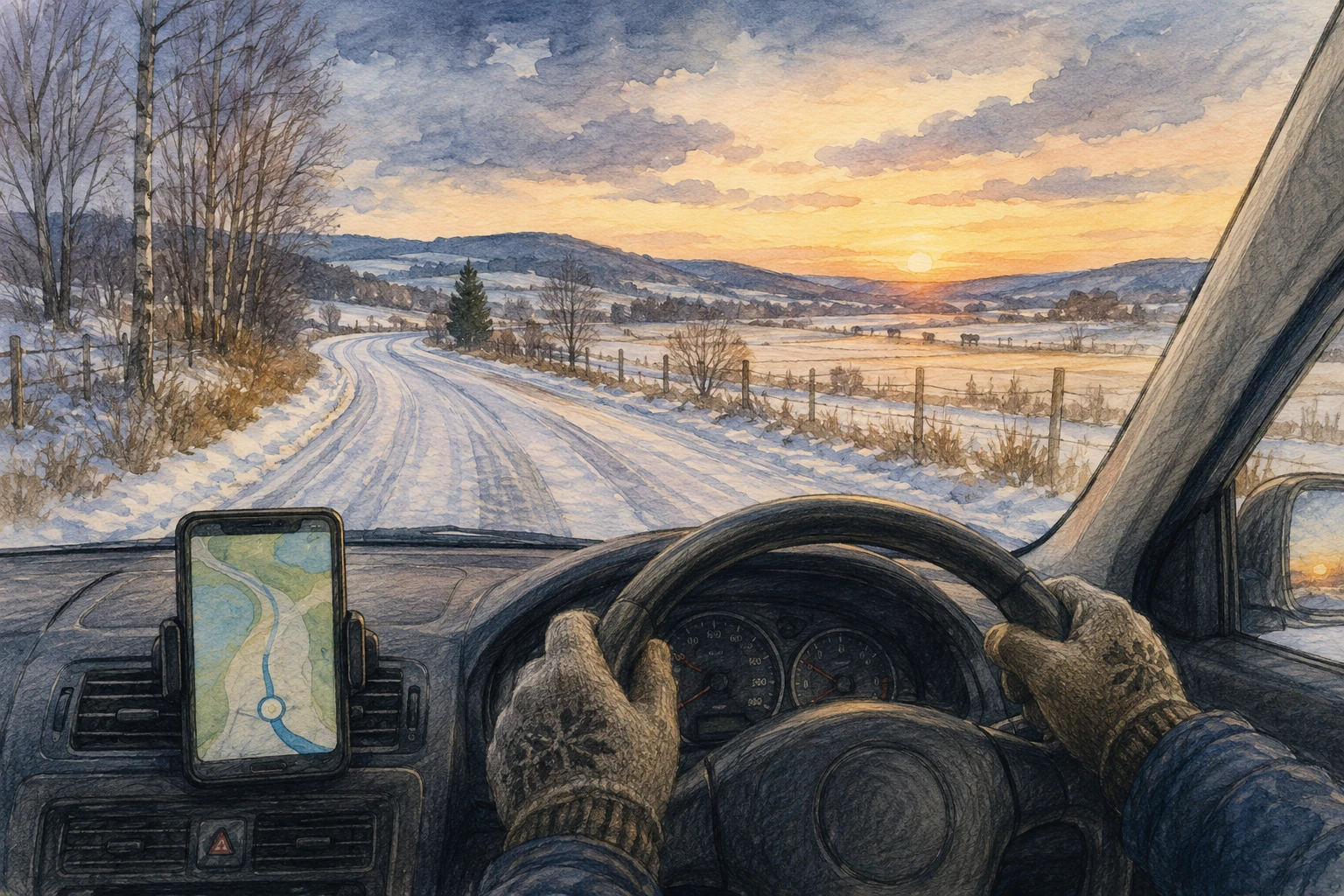
By car: road restrictions, winter equipment, number/type of vehicles and unloading
By public transport: last service, reservations, travel from the stop and baggage
For everyone: whether unloading can be finished before dark and how to report delays
SECTIONThink about arrival through completion of unloading, not only check-in time
After parking, the group still needs to get out, carry baggage, find the entrance and receive the facility explanation. Snow and ice can extend each step, so do not use the same time margin as in warmer seasons. Plan to finish outdoor work before dark whenever possible.
SECTIONBring easy-to-adjust layers and spare items
| Situation | Preparation |
|---|---|
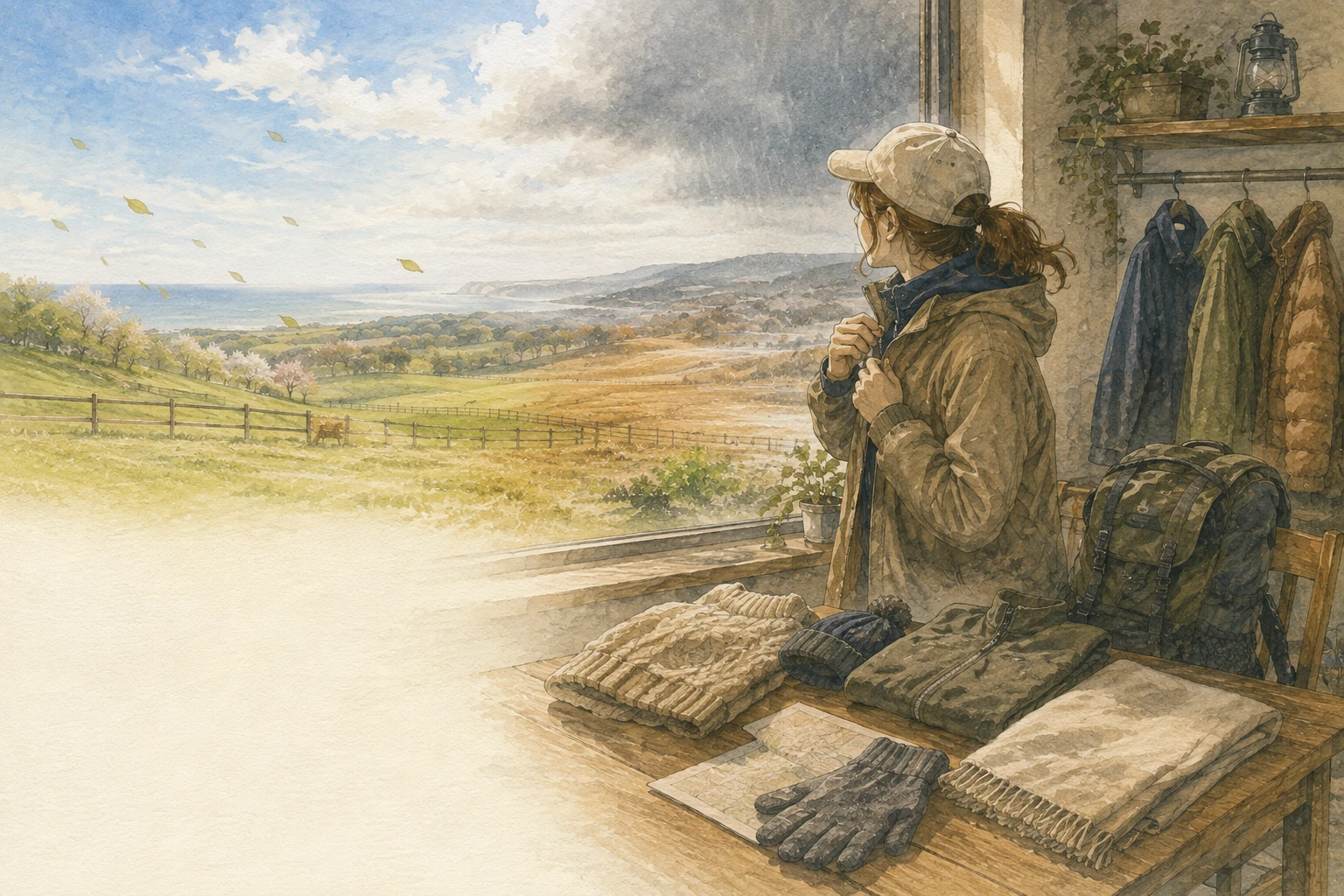
| During travel | Adjustable mid-layers, gloves, hat and winter footwear with good grip |
| Arrival/unloading | Water-resistant outer layer, gloves that make it easy to handle baggage and a light |
| Indoors | Easy-to-remove layers; confirm any need for indoor footwear with the facility |
| If items get wet | Spare socks, gloves and bags that separate wet clothes |
The indoor heating temperature and loan items cannot be assumed from public information alone. Do not assume you can stay in very light clothing, dry wet items or borrow winter equipment; bring what you need or confirm directly with the facility.
SECTIONPlan so baggage is not left outside for long
When several vehicles arrive, unloading independently from every vehicle can crowd the entrance. Assign a first-arrival lead, reception lead and unloading lead, and move items that must stay dry first and quickly.
SECTIONConfirm parking, snow removal and large vehicles in advance
The current FAQ indicates parking areas on the premises, but the usable number, vehicle type and exact position still depend on operating conditions. Do not determine winter snow-removal coverage, minibus access, waiting or boarding positions from public information alone; ask about the conditions for this stay.
SECTIONAdd winter items to the usual overnight packing list
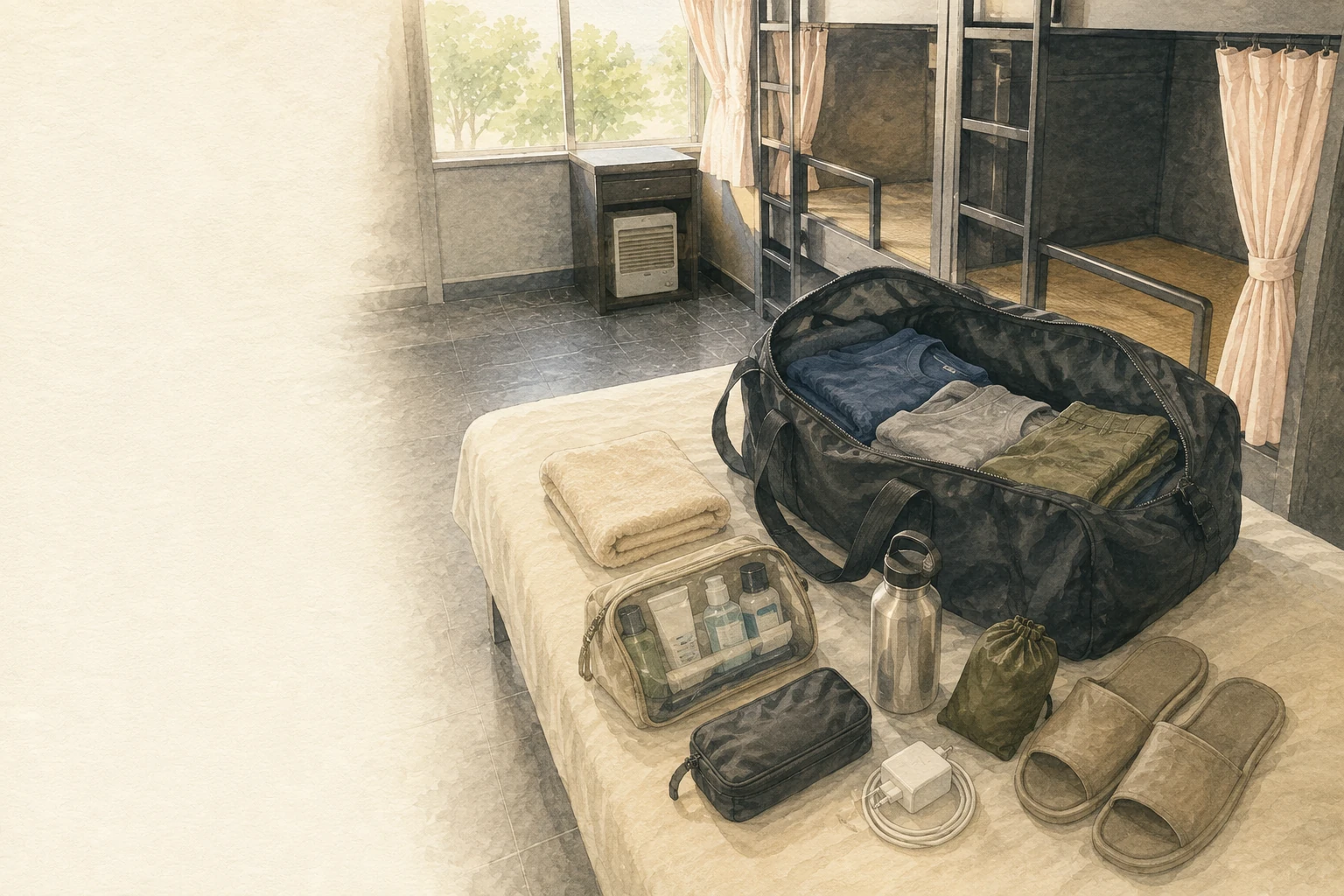
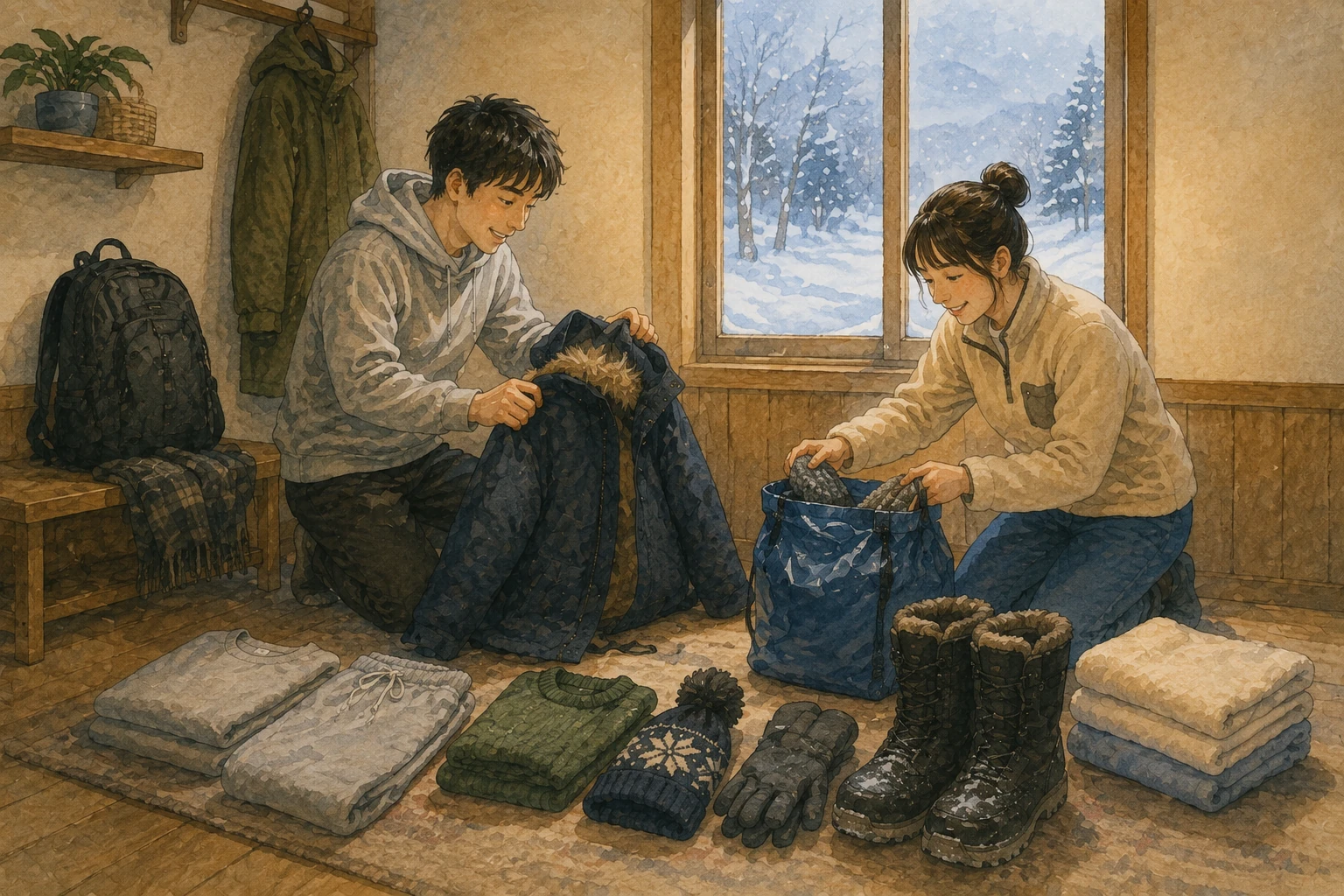
Warm outerwear, hat, gloves and winter boots
Spare socks, gloves and base layers
Bags and towels for separating wet items
Portable battery and light
For cars, winter equipment such as a snow brush
SECTIONDo not force arrival during serious delays or suspensions
- 01
Check the outlook using official information
- 02
Tell the facility about the delay, your current location and headcount
- 03
Judge whether the final segment can be traveled safely
- 04
If the trip no longer works safely, consider changing the schedule or using alternative accommodation
FROM READING TO PLANNING
Undecided details are useful planning information.
Even before dates or group size are final, we can help organize the next steps from your current conditions.REFERENCES
Reference Information
- Hokkaido winter road safety↗
- Hokkaido winter road information↗
- BASE NIIKAPPU Winter Stay Guide↗
- BASE NIIKAPPU FAQ↗
Last checked: 2026.08.12