


QUICK BRIEF
What You Will Learn
- 01
State clearly that Yoshitsune's visit is a local legend, not verified historical fact.
- 02
Treat Pipok, Poronupuri and Niikappu Kaisho as separate layers of information.
- 03
While four roads in Hangandate Forest Park remain closed, do not recommend a normal walk and prioritize the latest Niikappu Town information.
CONTENTSTable of Contents
- 01Before learning about Hangandate | Read legend and documented history separately
- 02The name 'Pipok' and the background of the place name
- 03The Yoshitsune legend preserved in the name Hangandate
- 04What the Yoshitsune legend tells us, and what can actually be confirmed
- 05Niikappu Kaisho and the region's trading and fishing history
- 06What you can learn from Hangandate Forest Park and Niikappu Local History Museum
- 07Viewing boundaries, safety and cultural respect when walking on site
- 08How to explain the site to children and first-time visitors
- 09Build a stay in Niikappu around local history
SECTIONBefore learning about Hangandate | Read legend and documented history separately
When reading about Hangandate, start by not mixing official explanations of place names, the history of Niikappu Kaisho and the local legend of Minamoto no Yoshitsune as if they had the same level of evidence. Both documented local history and stories passed down in the community have value, but they describe different things.
This article separates three categories in the writing itself: explanations confirmed in public sources, legends preserved locally, and current access and safety information. Rather than declaring that Yoshitsune came here or dismissing the legend, it identifies what can be confirmed from sources and what remains a tradition.
SECTIONThe name 'Pipok' and the background of the place name
According to the official explanation from the Hidaka General Subprefectural Bureau, before the name Niikappu the area was mainly called 'Pipok,' said to mean 'behind the rock' or 'under the cliff' and to refer to the foot of Hangandate. Do not reduce the meaning to one absolute translation; present it as an explanation based on the official source.
Hangandate itself is also said to have been called 'Poronupuri.' Separating Pipok as a name for the area or foot of the landform from Poronupuri as a name associated with Hangandate helps show how the land was understood before the present place name became established.
Ainu place names cannot be exhausted by a simple Japanese or English translation. Pay attention to their relationship with the terrain and to who explains them in which source, and avoid exaggerating them into a tourism story.
SECTIONThe Yoshitsune legend preserved in the name Hangandate
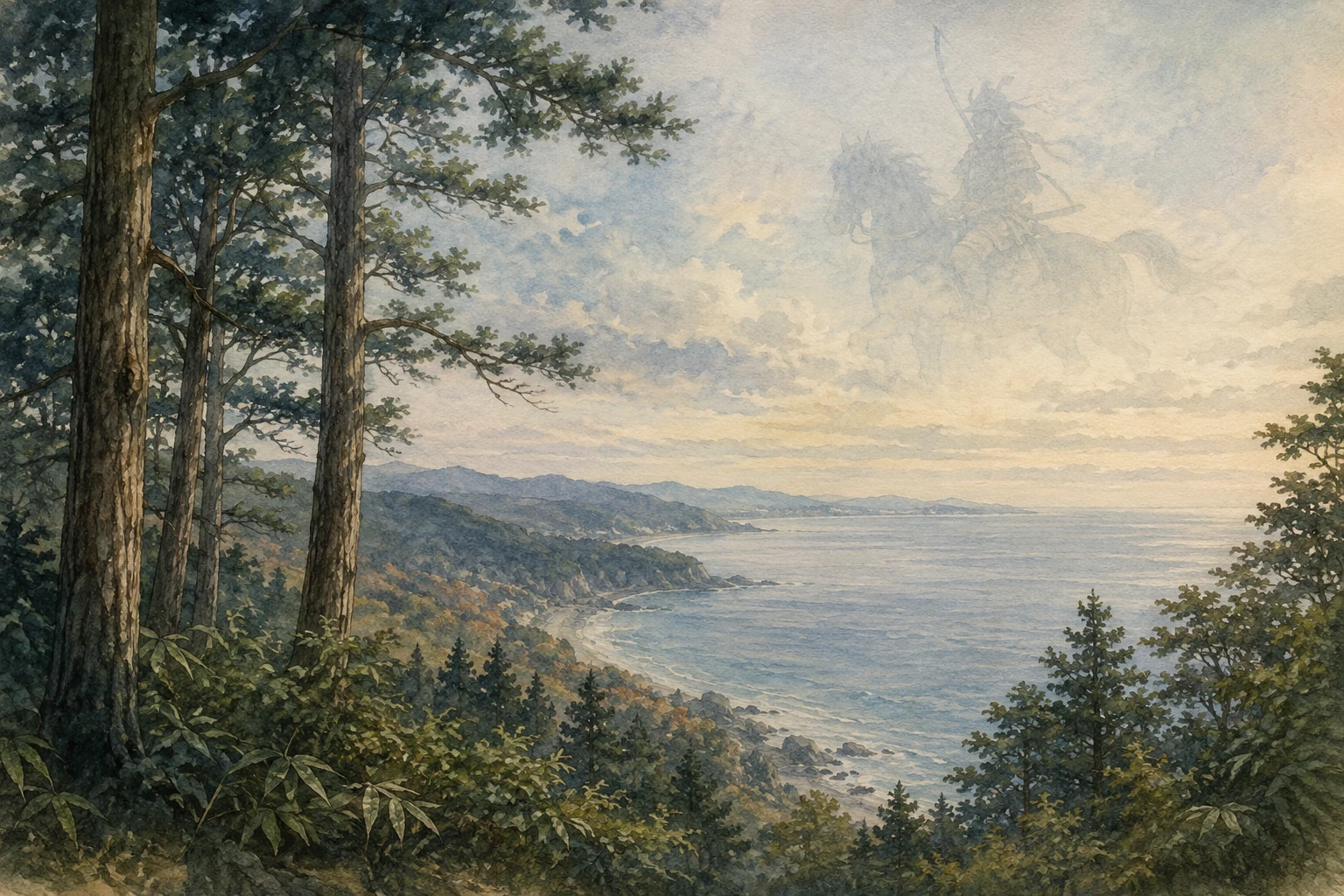
A local legend concerning Minamoto no Yoshitsune is preserved in the name Hangandate. Niikappu Local History Museum also says it has exhibits dealing with Yoshitsune and the Hangandate legend. What can be confirmed here is that the legend has been handed down in the community.
This article does not state as historical fact that Yoshitsune actually came to Niikappu or stayed at Hangandate. It describes the place not as 'where Yoshitsune came' but as 'a place where stories associated with Yoshitsune remain in the place name and local memory.'
Even when enjoying the legend, separate the historical existence of the person from the historical reliability of each local tradition. If the date or spread of the story cannot be established, stay within the explanations provided by the Local History Museum and public sources.
SECTIONWhat the Yoshitsune legend tells us, and what can actually be confirmed
The Yoshitsune legend can help us think about how a community remembered a historical figure from outside the region and connected that memory to a place name. At the same time, routes, stays and events described in a legend cannot simply be converted into archaeological or documentary historical facts.
| Category | How this article describes it |
|---|---|
| Publicly confirmable | Official explanations of Pipok and Poronupuri, and the history of Niikappu Kaisho |
| Preserved locally | That a legend of Minamoto no Yoshitsune is associated with Hangandate |
| Not stated as fact | Yoshitsune's own visit, stay or specific actions |
Rather than reading the issue only as 'true or false,' consider why the legend remains attached to this place and how later generations have told it. If museum explanations are updated, prioritize the current wording of the exhibits.
SECTIONNiikappu Kaisho and the region's trading and fishing history
Official material says Niikappu Kaisho was located by the sea around what is now Hangandate and functioned as a base for trade and fishing involving Ainu people and Wajin until around the early Meiji period. This is local history that can be confirmed separately from the Yoshitsune legend.
When explaining the kaisho, avoid giving the impression that a reconstructed building or visitor facility now stands there. Understand it as the history of the location; do not tell visitors that they can freely view remains there or park nearby for sightseeing.
Do not use the history of trade and fishing merely as background for the Yoshitsune legend. Treat it as an independent subject involving local life, the relationship with the sea, and contact between Ainu people and Wajin.
SECTIONWhat you can learn from Hangandate Forest Park and Niikappu Local History Museum
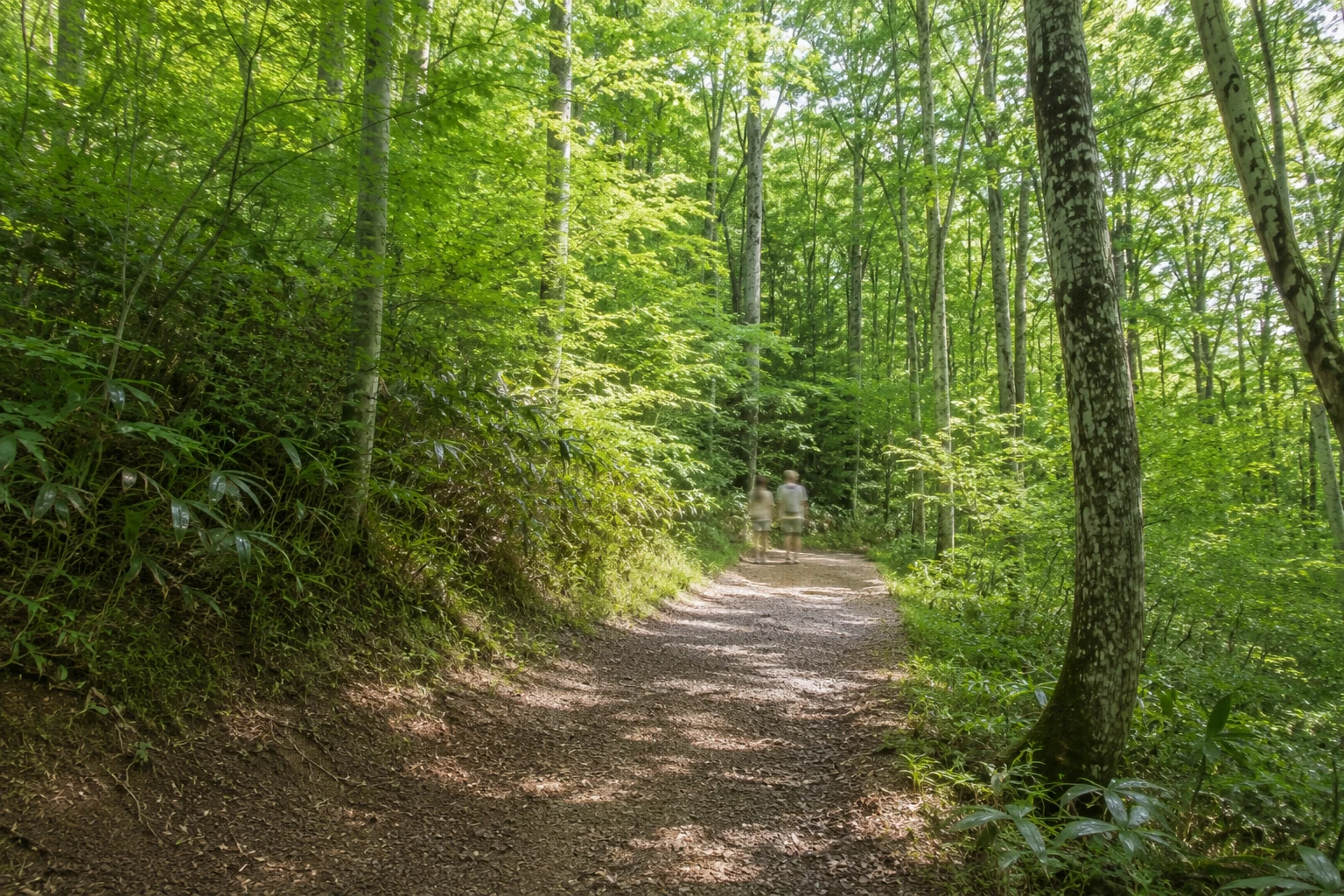
Hangandate Forest Park is connected with the place name and legend, but after brown-bear scat was found on May 30, 2026, Niikappu Town closed four roads in the park until further notice. Prioritize the latest town road information over older facility descriptions.
While the roads are closed, this article does not guide visitors on the assumption that they can walk the normal routes. Even if another organization lists parking or hours, if the town's safety information is newer, do not enter and postpone the walk until reopening is confirmed.
Niikappu Local History Museum offers a way to learn about local history including the Yoshitsune and Hangandate legends. Exhibits may change, so confirm whether the material you want to see is on display and check opening days. When the site itself is inaccessible, a museum-centered plan is appropriate.
A safe order is to check town road-closure information, use the Local History Museum to understand the place names, legend and kaisho history, and consider only officially open areas if reopening has been confirmed. If there is no reopening notice, do not put an on-site walk back into the itinerary.
SECTIONViewing boundaries, safety and cultural respect when walking on site
Even after a closure is lifted, check town road information, brown-bear information and on-site signs. Do not enter private land or dangerous slopes outside the park, on the sea side or around the former kaisho area in search of traces of the legend.
The official Niikappu Kaisho information states that there is no parking. Do not park on nearby roads or vacant land to search for the location. If the proper way to visit cannot be confirmed, learn at public facilities such as the Local History Museum instead.
Do not enter while road closures or brown-bear warnings are in effect.
Do not leave designated paths for slopes or the seaward side.
Do not park on roads or private property.
Do not reduce the place name and culture to ghost or occult stories.
Do not remove natural objects or cultural materials from the site.
SECTIONHow to explain the site to children and first-time visitors
For children or first-time visitors, first divide the story into three parts: old place names, a legend preserved in the community, and the documented history of the kaisho. Do not teach that Yoshitsune definitely came here; introduce it as a story handed down locally.
Treat place names as words connected with terrain and ways of life. Rather than teaching one fixed answer for Pipok, explain with a source that official material says it is interpreted as 'behind the rock' or 'under the cliff.'
Even when you cannot go to the site, you can learn through museum exhibits, maps and photographs. The goal is not to regard an inaccessible site as a failed trip, but to respect safety information and understand the history of the place.
SECTIONBuild a stay in Niikappu around local history
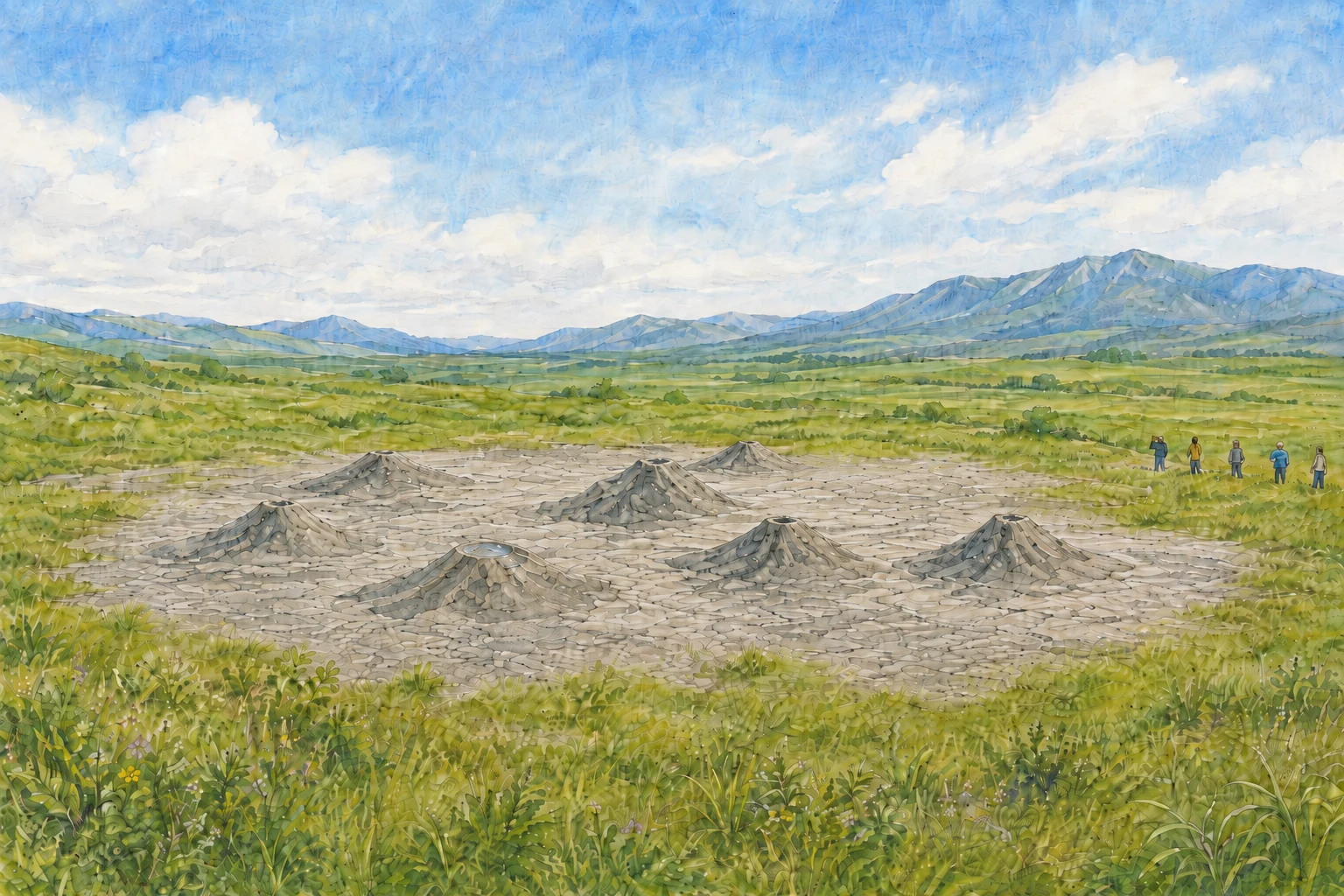
If local history is the purpose of the trip, a safe order is to organize the place names, legend and kaisho history at the Local History Museum, then confirm only locations that are publicly open. Even when combining this with other local-history topics such as the mud volcanoes, check the visitor boundary for each site separately.
Use an overnight stay not to keep trying to enter a closed place, but to create a realistic schedule around museum opening days and weather. Do not assume that BASE NIIKAPPU provides transport or interpretation services; ask about any required conditions.
At minimum, separate three layers when understanding Hangandate. The first is the relationship between terrain and names such as Pipok and Poronupuri. The second is the local tradition connected with Yoshitsune. The third is the history of trade and fishing between Ainu people and Wajin through Niikappu Kaisho. Combining all three into one story can turn a tradition into supposed fact or wrongly use kaisho history as evidence for the legend.
For place-name meanings, show the source position with wording such as 'is said to mean' or 'is described as.'
Present Yoshitsune's visit as a local legend and do not establish an actual stay as fact.
Explain Niikappu Kaisho separately as part of the history of trade, fishing and local society.
Do not judge current terrain and access conditions from historical names or old photographs alone.
Do not fill gaps in dates, places or relationships by speculation; check with the Local History Museum.
The value of reading the Yoshitsune legend is not limited to deciding whether it is true or false. It can be an entry point for thinking about why local terrain and place names became connected with a historical figure and how later generations told the story. Keep interpretation within the range supported by public sources and do not add unconfirmed details such as 'where he hid' or 'where relics remain.'
Niikappu Kaisho should be understood as a coastal place history: it stood near the sea around present-day Hangandate, was involved in trade and fishing between Ainu people and Wajin, and continued until around the early Meiji period. Do not use the kaisho's existence to support the Yoshitsune legend; separating period, actors and function gives a more accurate understanding of Niikappu's coastal history.
When considering an on-site visit, current safety information comes before historical interest. Because four roads in Hangandate Forest Park have been closed since May 30, 2026 after brown-bear scat was confirmed, this article does not create a normal walking model. Unless Niikappu Town publishes a current notice that the closure has been lifted, switch to a plan centered on the Local History Museum and public materials.
Do not recommend roadside shoulders or nearby vacant land as parking for viewing historical locations. Do not approach places where dedicated parking, a walking route or private-property boundaries cannot be confirmed; use only areas that the town or museum can guide visitors to. Even if a location cannot be visited, the purpose of the article can still be met by learning to distinguish the place names, legend and kaisho history.
When information is updated, do not treat legend, documented history and current access conditions as one update unit. Historical explanations may remain valid while road closures or brown-bear information changes; update only the visitor guidance immediately and do not resume on-site directions before safety has been confirmed.
FROM READING TO PLANNING
Undecided details are useful planning information.
Even before dates or group size are final, we can help organize the next steps from your current conditions.REFERENCES
Reference Information
- Niikappu Local History Museum↗
- Hokkaido Brown Bear Information↗
- Hidaka Ainu Culture: Hangandate↗
- Hidaka Ainu Culture: Niikappu Kaisho↗
- Niikappu Town Road Information↗
Last checked: 2026.08.11