


QUICK BRIEF
What You Will Learn
- 01
Food allergies
- 02
Regular medication
- 03
Nighttime anxiety
CONTENTSTable of Contents
- 01Separate guardian and leader responsibilities
- 02Collect information about each child's daily-living needs
- 03Support bathing and changing clothes
- 04Handling medication
- 05Reporting to guardians
- 06Identify situations that require daily-living support
- 07Nighttime staff should hand over relevant information to the morning team
SECTIONSeparate guardian and leader responsibilities
| Role | Examples |
|---|---|
| Sport | Training, equipment and venue |
| Daily living | Meals, bathing and bedtime |
| Health | Medication, condition and emergency response |
| Transport | Headcounts, boarding and baggage |
| Communication | Contact with the facility and guardians |
SECTIONCollect information about each child's daily-living needs
Food allergies
Regular medication
Nighttime anxiety
Whether the child can bathe independently
Bedding or toilet accommodations
Motion sickness
Emergency contact
SECTIONSupport bathing and changing clothes
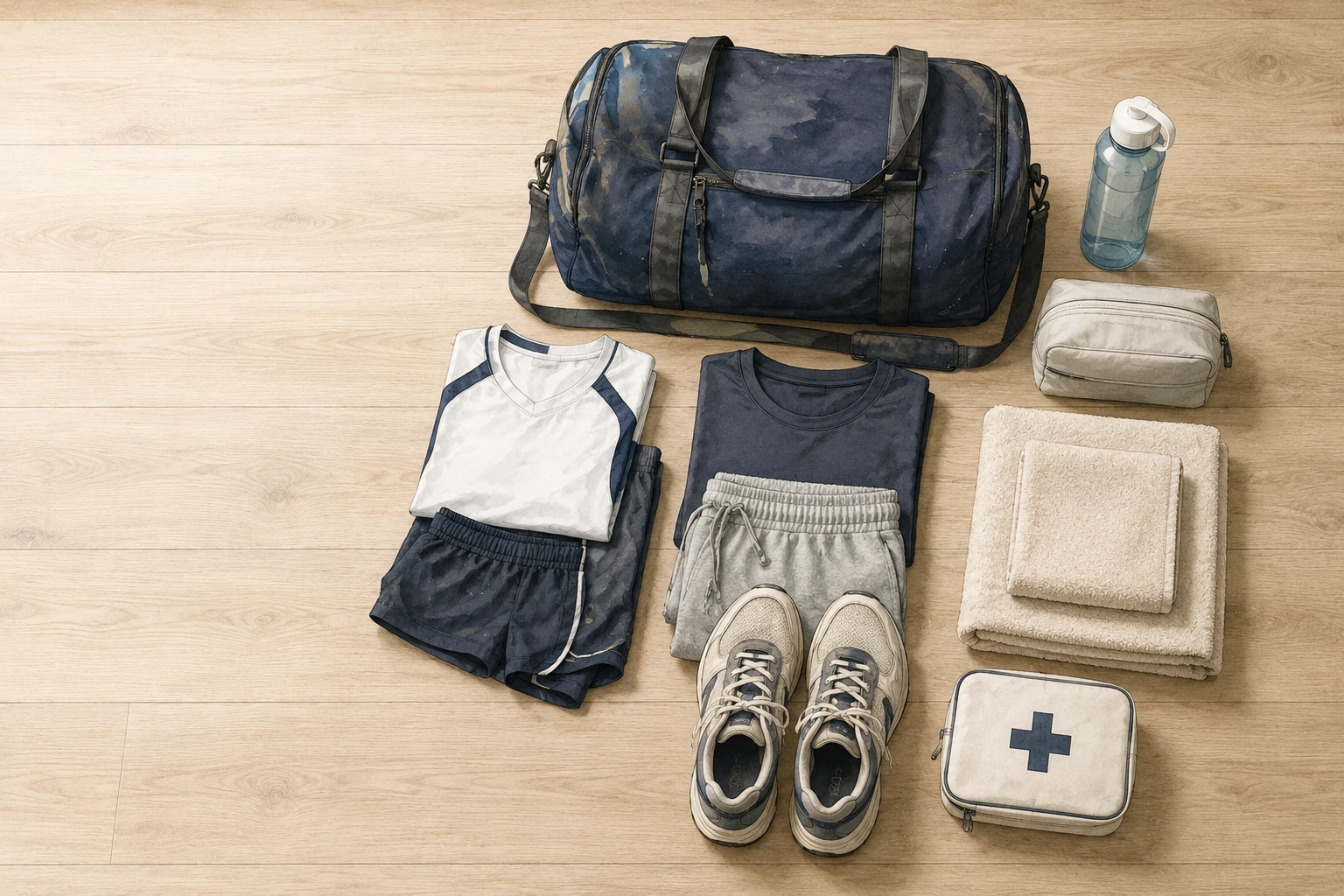
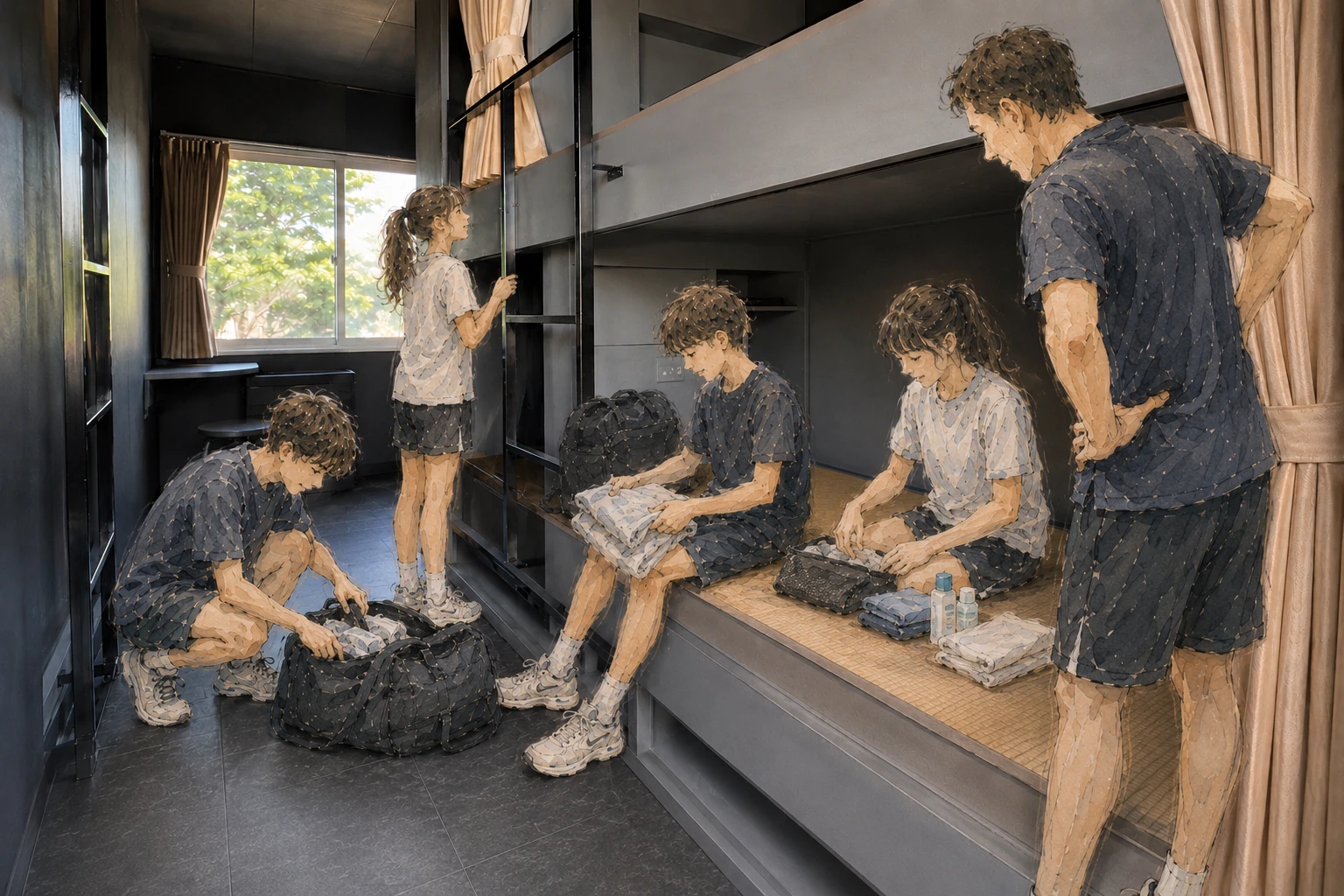
Separate bathing times by age group and gender as appropriate, and assign adults to supervise. Personal items are easily mixed up, so label towels, underwear and bags with names.
Plan nighttime support
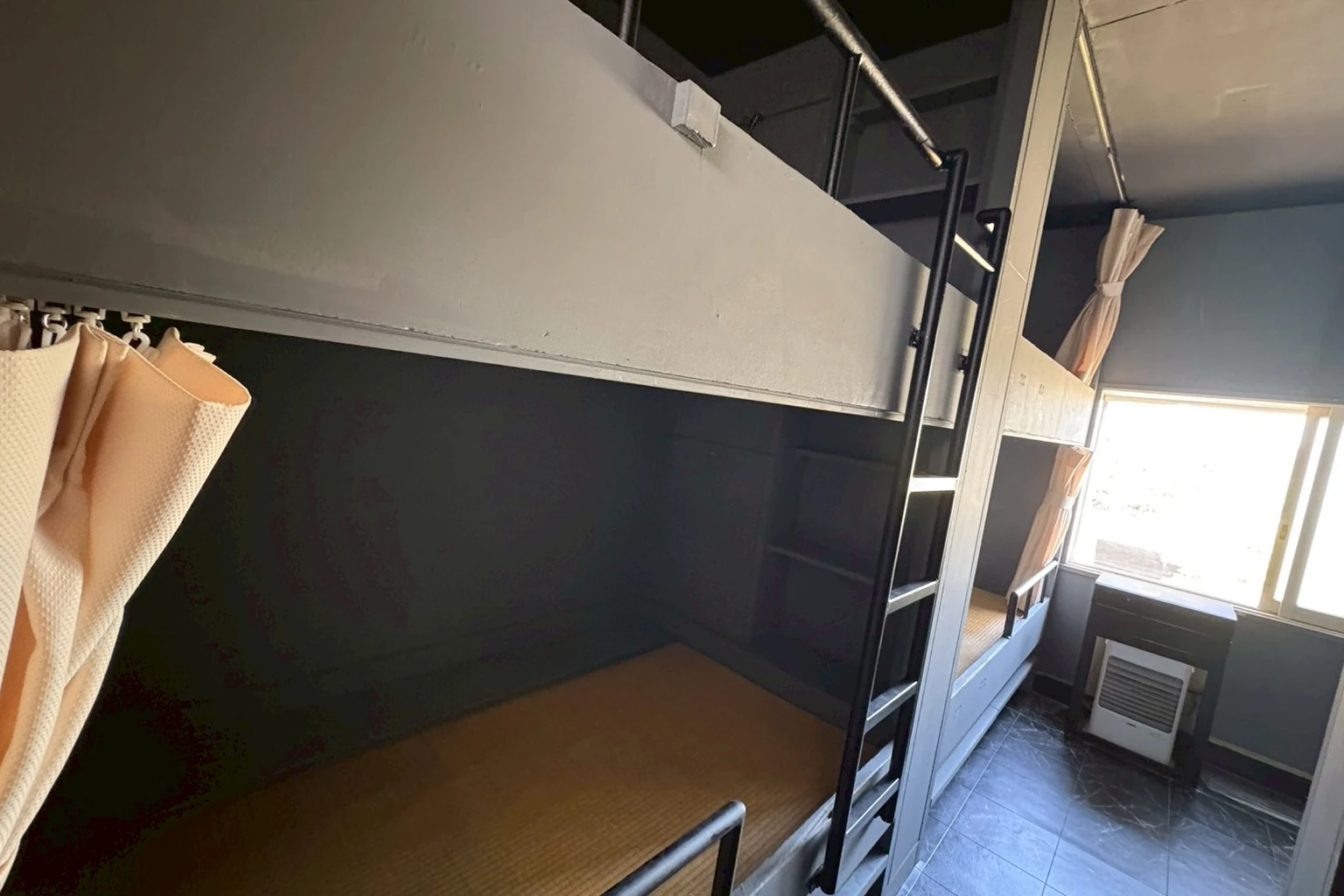
Tell children who to speak to if they feel unwell, become homesick, need the toilet or cannot fall asleep. Also confirm where the adults' rooms are when you arrive.
SECTIONHandling medication
Record the guardian's explanation and make clear whether the child manages the medication or an adult does. Medication prescribed by a doctor should be handled according to the prescribed instructions.
SECTIONReporting to guardians
Separate the criteria for urgent contact from the method used for routine activity updates. If photos will be shared, also check personal-information handling and publication consent.
Assign adults responsible for daily-living support
If coaches focus only on sport and daily-living issues are left to whichever guardian happens to be available, responsibilities can pile up around bathing and bedtime. Split responsibility for rooms, bathing, medication, nighttime toilet needs, waking up and baggage, and decide which adult a child should approach when they need help.
Information to collect from guardians
Emergency contacts and order of priority
Food allergies and medication
Nighttime toilet or sleep considerations
Support needed for bathing or changing
Tendency toward motion sickness or homesickness
What to do if the child needs to be picked up
Explain the schedule to the children as well
If only guardians know the details, a child's anxiety can increase on a first overnight stay. Explain in age-appropriate language where they will sleep, who they will move with, whom they can talk to when they need help, and the nighttime rules.
SECTIONIdentify situations that require daily-living support
For groups made up mainly of elementary-school children, support outside sport can include changing clothes, bathing, medication, bedtime, nighttime toilet needs and morning preparation. Use a guardian questionnaire to identify what each child can do independently and what requires adult confirmation.
| Situation | Decide in advance |
|---|---|
| Medication | How it is brought, self-management and adult checks |
| Bathing | Gender-separated supervision, order and changing |
| Bedtime | Lights-out, nighttime anxiety, toilet and condition |
| Meals | Allergies, portion size and what to do if the child cannot eat |
| Communication | When to contact guardians and who is responsible |
Do not disclose a child's personal circumstances to the whole group
Bedwetting, medication, developmental accommodations and family circumstances should be shared only with adults who need to know. Adjust rooms, bedding and nighttime support in advance so the child is not forced to explain personal circumstances to everyone else.
Write down the division of responsibility between guardians and leaders
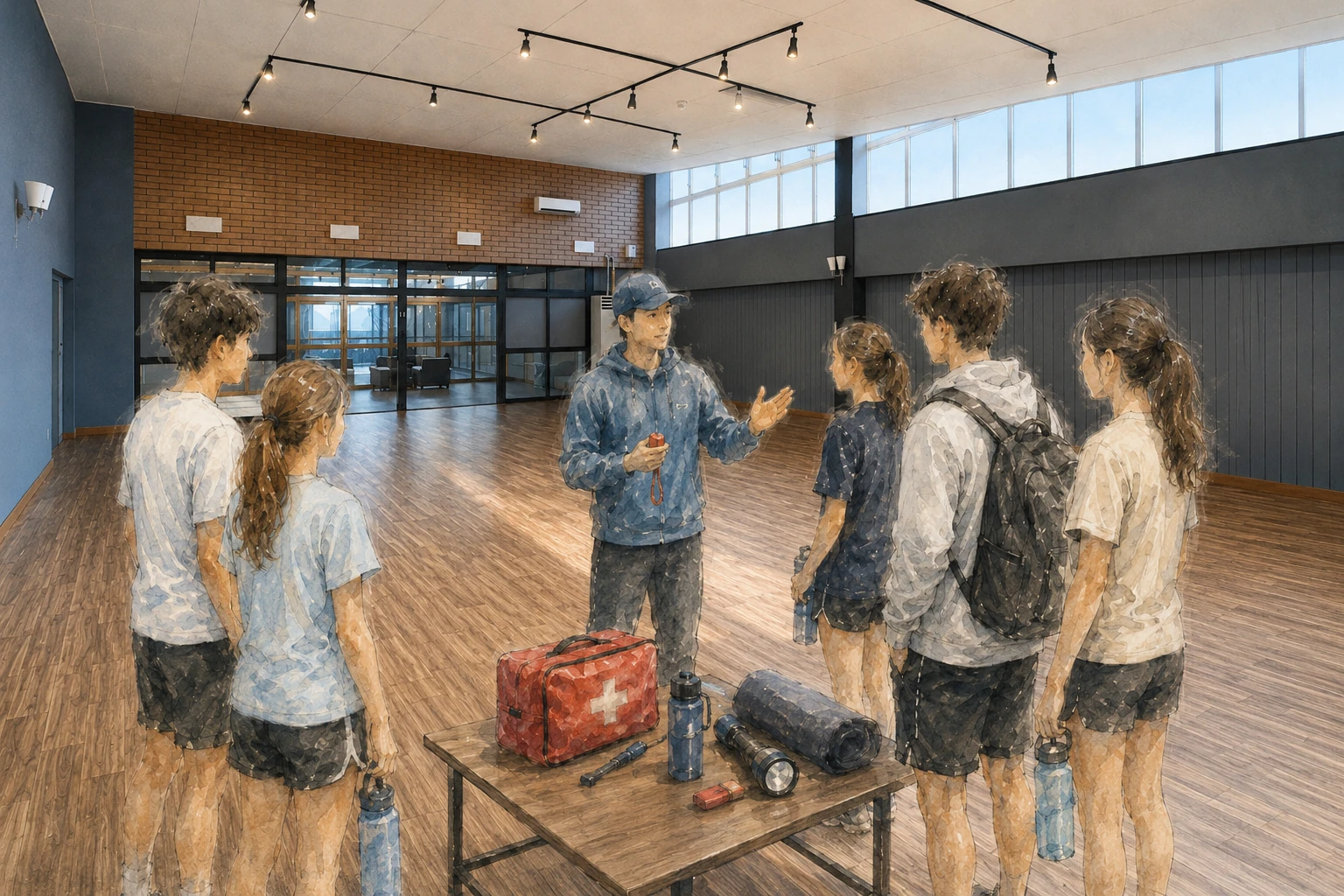
Even when guardians accompany the group, gaps occur if it is unclear who is watching which children. Assign responsibility for coaching, daily-living support, first aid, nighttime coverage and each vehicle, and create a rotation that allows adults to rest.
SECTIONNighttime staff should hand over relevant information to the morning team
If a child develops a fever, cannot sleep or needs help going to the toilet at night, hand the situation over to the morning staff. Even if the child settles down, keep only the necessary record of the time, symptoms, response and whether guardians were contacted.
| Time period | Main responsibility |
|---|---|
| Before and after bathing | Changing, forgotten items and condition checks |
| Before lights-out | Medication, headcount and morning preparation |
| Nighttime | Condition, anxiety, toilet needs and location checks |
| After waking | Sleep condition, breakfast and whether activity is appropriate |
FROM READING TO PLANNING
Undecided details are useful planning information.
Even before dates or group size are final, we can help organize the next steps from your current conditions.REFERENCES
Reference Information
Last checked: 2026.08.12