


QUICK BRIEF
What You Will Learn
- 01
The initiative began in winter 1990 from an idea by a local music circle
- 02
It developed into a culture of preserving both records and donors' memories from across Japan
- 03
Record-player design motifs spread beyond the museum into buildings and the town landscape
CONTENTSTable of Contents
- 01It Began with an Idea from a Local Music Circle
- 02A Nationwide Call to “Entrust Them to Us with Care”
- 03The Re・Cord Museum Opened in 1997
- 04The Building and Town Were Designed as a Record Player
- 05The Meaning Behind the Dot in “Re・Cord”
- 06The Collection Reached One Million Records and Regular Donations Ended
- 07Ways to Experience Re・Cord Culture in Niikappu
- 08Learn About the Region and Bring the Experience Back to Your Stay
SECTIONIt Began with an Idea from a Local Music Circle
According to Niikappu's official explanation, “community development through Re・Cord and music” developed in winter 1990 from an idea by the local music circle “Ichimai no Record” (One Record). At a time when music media were shifting from analog records to CDs, the town adopted a concept of preserving records as culture and linking them to community revitalization.
The town's historical timeline records the Niikappu International Record Forum in 1991, a regional development award in 1993 for “community development through Re・Cord and music,” and the opening of the Re・Cord Museum in 1997.
SECTIONA Nationwide Call to “Entrust Them to Us with Care”
Rather than having the town purchase records, the initiative grew by asking record enthusiasts across Japan to donate them. From 1991, Niikappu promoted the idea of preserving records as historical heritage documenting 20th-century music culture.
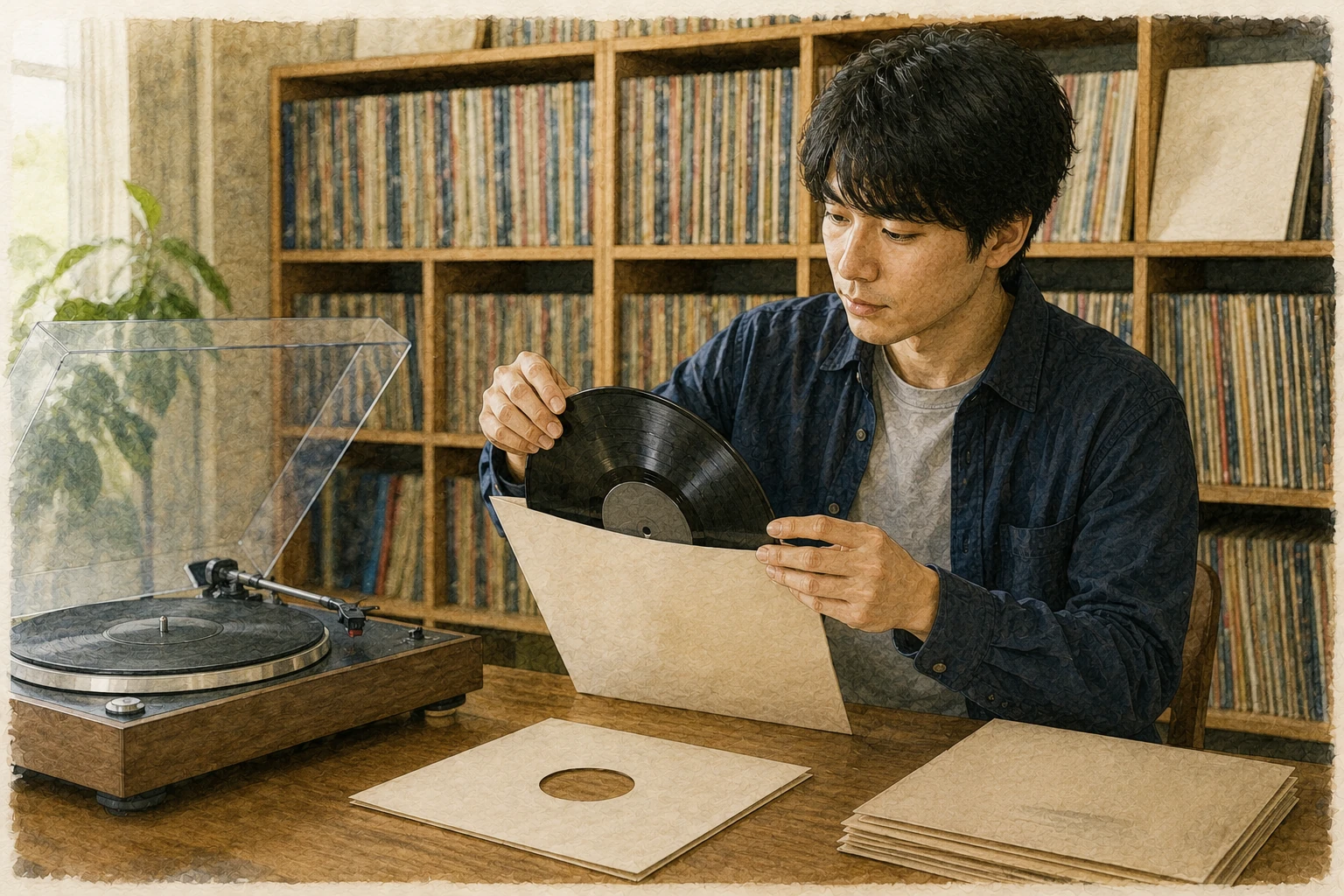
According to the official Q&A, more than 300,000 records had been donated from across Japan by the time the Re・Cord Museum opened in 1997. Donated records are treated not simply as inventory but as items entrusted together with the memories of their owners.
SECTIONThe Re・Cord Museum Opened in 1997
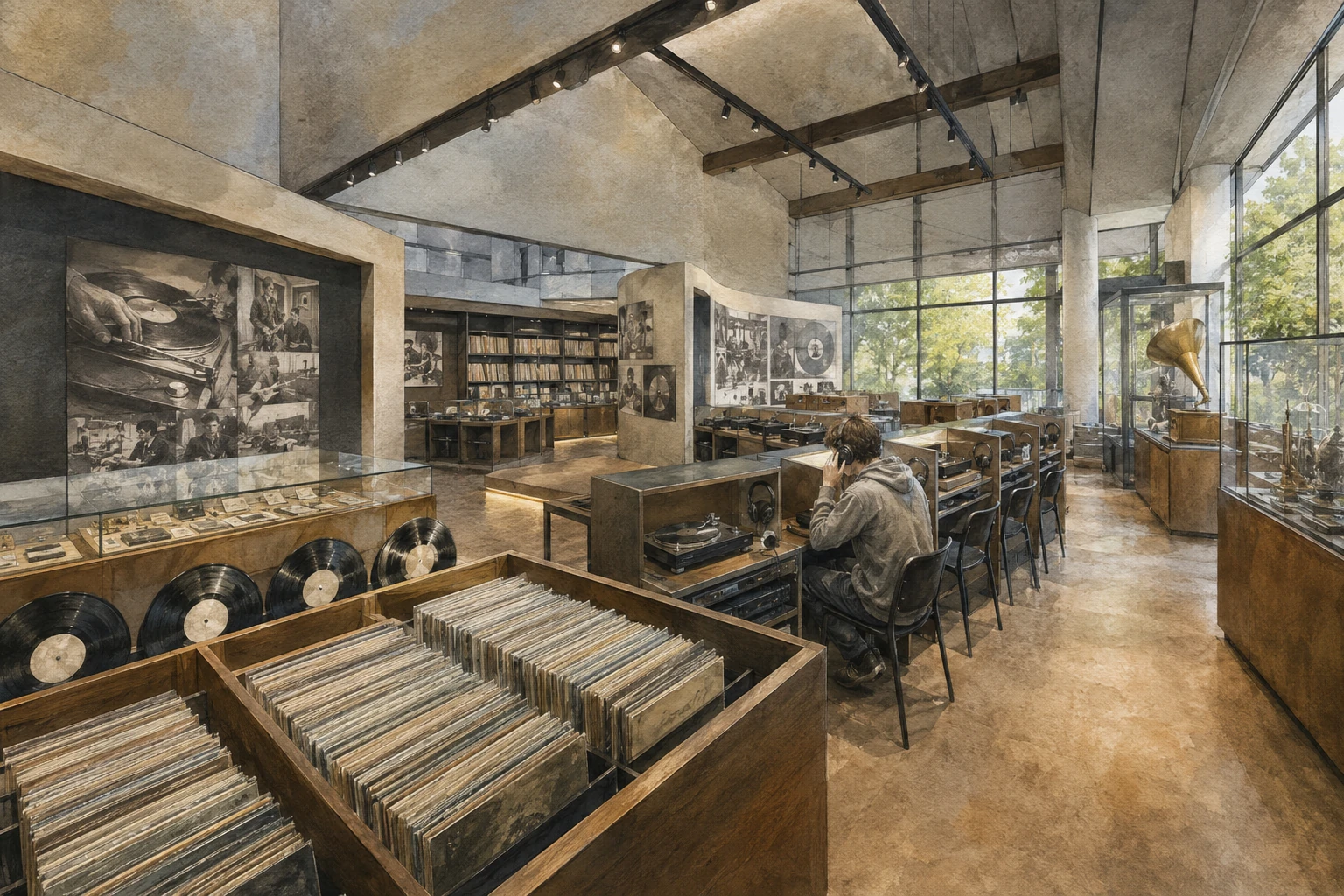
The Niikappu Town Re・Cord Museum opened on June 8, 1997 as the central facility of the initiative. For current highlights and visitor information, see the separate Re・Cord Museum guide. This article focuses on the background of the town-building initiative rather than the facility alone.
The Re・Cord Museum is a place for tourists, but it is also positioned as a venue for residents' cultural activities, lifelong learning, and group use. A defining feature is that music is not only presented to outside visitors; the facility also serves local activity.
SECTIONThe Building and Town Were Designed as a Record Player
Niikappu's official explanation describes the Re・Cord Museum building as representing a record and record player, while Re・Cord Park on the town-hall grounds represents elements such as a tonearm and cartridge. The musical motif extends beyond the number of items in the collection into the townscape itself.
On a first visit, looking not only at the indoor exhibits but also at the building's form and surrounding design makes it easier to see how Niikappu has treated records as a community symbol rather than keeping the idea inside one facility.
SECTIONThe Meaning Behind the Dot in “Re・Cord”
In Niikappu's distinctive spelling, a middle dot is inserted into the Japanese word for record to form “Re・Cord.” In the town's official explanation, “RE” evokes words beginning with re-, such as relax, remember, and refresh, while “cord” is associated with the heart, connecting the record disc not simply with an object but with human feelings and memories.
This is not an explanation of the general etymology of the word “record”; it is the meaning Niikappu assigned as a philosophy for community development. This article therefore distinguishes between records as a general noun and “Re・Cord” when referring to Niikappu's specific initiative.
SECTIONThe Collection Reached One Million Records and Regular Donations Ended
Niikappu continued collecting toward a goal of one million records and reached that milestone on May 15, 2017. According to official information, after achieving the goal the town ended regular collection and donation intake on June 8 of the same year.
The one-million-record figure represents years of cooperation from across Japan that cannot be explained by the size of the town alone. It also creates a responsibility to preserve and pass on the collection. When visiting, looking beyond the sheer number of records and considering why people entrusted important records to Niikappu can make the meaning of the initiative clearer.
SECTIONWays to Experience Re・Cord Culture in Niikappu
See the history of sound and recording media at the Re・Cord Museum
Hear actual sound in places such as Re・Cord Hall
Look at the design of the building and Re・Cord Park
Learn the town timeline together with its Thoroughbred culture
Check official information for current events
Opening days, admission, visit courses, and events can change, so check the official Niikappu Town Re・Cord Museum website before visiting. The museum and adjacent roadside station are separate facilities, and their operating information should be checked separately.
SECTIONLearn About the Region and Bring the Experience Back to Your Stay
Niikappu's Re・Cord culture is not only for people with deep knowledge of music. It can also be understood as an example of a small local idea expanding through nationwide cooperation into architecture, learning, and community activity.
If BASE NIIKAPPU is your lodging base, you can bring the background and impressions you discovered in town back to the shared space and make time to discuss them with your group. Learning why this culture exists in Niikappu, rather than simply visiting facilities, can make the memory of your stay more concrete.
FROM READING TO PLANNING
Undecided details are useful planning information.
Even before dates or group size are final, we can help organize the next steps from your current conditions.REFERENCES
Reference Information
- Niikappu Town: Re・Cord Museum Q&A↗
- Niikappu Town: Town History↗
- Niikappu Town: Record Collection and Donations↗
Last checked: 2026.08.08