


QUICK BRIEF
What You Will Learn
- 01
Define purpose and authorized personnel before collection
- 02
Collect only information needed for action
- 03
Plan return or deletion after the camp
CONTENTSTable of Contents
SECTIONDefine the purpose and authorized personnel before collecting anything
Do not collect health information simply because you can. Define the specific safety purpose for using it during the camp. Japan's Personal Information Protection Commission identifies medical history and certain health-related information as personal information requiring special care. In applicable cases, acquisition generally requires the person's consent, subject to legal exceptions, and third-party provision is also subject to the applicable consent and exception rules. Design the process so information is not handled beyond what is needed for the stated purpose.
| Decide first | Practical approach |
|---|---|
| Purpose | Limit it to emergency contact, checking medication timing, food or activity accommodations and similar operational needs |
| Authorized viewers | Restrict access to people who need it, such as the trip leader or safety lead |
| Storage location | Use one controlled location with access restrictions |
| Retention period | Set a period under the organization's rules for settlement, incident response or other legitimate needs, then delete information when no longer necessary |
SECTIONChoose fields based on whether they lead to an action
Rather than asking broadly for diagnoses, prioritize information that tells staff what to do on site. Explain the purpose and who will see the information before collecting it from participants or guardians.
| Information | What to confirm | Boundary against overcollection |
|---|---|---|
| Emergency contact | Relationship, phone number and contact priority | Do not collect additional family information that will not be used |
| Allergies/accommodations | What to avoid, symptoms, the participant's own response and emergency instructions | Do not confuse ordinary preferences with medical accommodations |
| Medication | Name, time, storage condition and whether it is self-managed or needs support | Leaders do not change doses or stop medication |
| Activity precautions | Exercise restrictions, relevant previous symptoms and necessary assistive devices | Do not routinely request medical history unrelated to camp activities |
SECTIONSeparate medication handling from medical judgment
Use prescription medication according to instructions from doctors or pharmacists. Do not change the dose or stop it because the participant appears better. Leaders should follow the procedures agreed with the participant, guardian and organization, and should not take responsibility for diagnosis or prescription changes.
Confirm whether the participant can carry and take the medication independently
If staff will hold it, decide who is responsible, how handover is recorded and how it is stored
For medication with special conditions such as refrigeration, confirm in advance rather than assuming the facility can accommodate it
Decide whom to contact if a dose is missed or the participant's condition changes
SECTIONKeep one current master record and log access
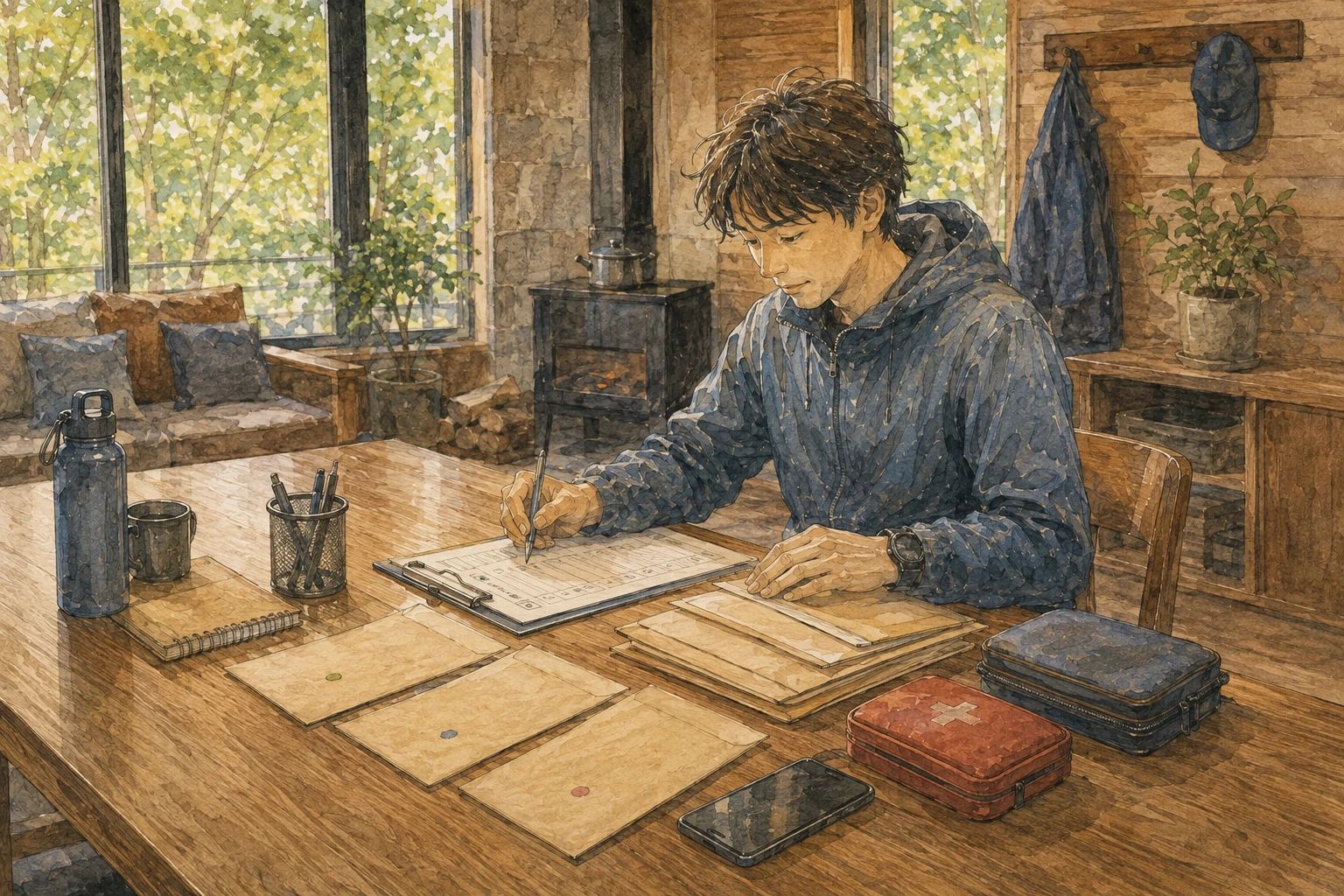
Duplicating the same information on paper, chat and spreadsheets leaves outdated versions behind. Keep one master record and note the update date and person who checked it. Separate only the minimum emergency information needed for portable use and manage it in a way that reduces the risk of loss.
- 01
Set a response deadline and collect information from the participant or guardian
- 02
Have the safety lead check for missing or contradictory information
- 03
Reconfirm updates before departure
- 04
On the day, allow access only to staff who need it
- 05
After the camp, return, delete or destroy information according to the organization's rules
SECTIONTell BASE NIIKAPPU only what is needed to arrange the stay
Do not hand the facility a complete medical-history list. Instead, organize the items needed to adjust accommodation conditions, such as meals, sleeping arrangements, shared facilities and arrival method. If refrigeration, steps or nighttime arrangements require facility confirmation, obtain the person's consent and share only the necessary information.
FROM READING TO PLANNING
Undecided details are useful planning information.
Even before dates or group size are final, we can help organize the next steps from your current conditions.REFERENCES
Reference Information
Last checked: 2026.08.12