


QUICK BRIEF
What You Will Learn
- 01
Work backward from wake-up to set bathing, meetings and quiet hours
- 02
Separate quiet hours from lights-out so bedtime preparation can finish calmly
- 03
Assign nighttime communication, rounds and condition-check responsibilities
CONTENTSTable of Contents
- 01Work backward from wake-up time to close the evening schedule
- 02Separate quiet hours from lights-out
- 03Separate the roles of the participant, room leader and accompanying adult for nighttime communication
- 04Use room assignments to align sleep conditions
- 05Check physical condition before waking everyone into immediate activity
SECTIONWork backward from wake-up time to close the evening schedule
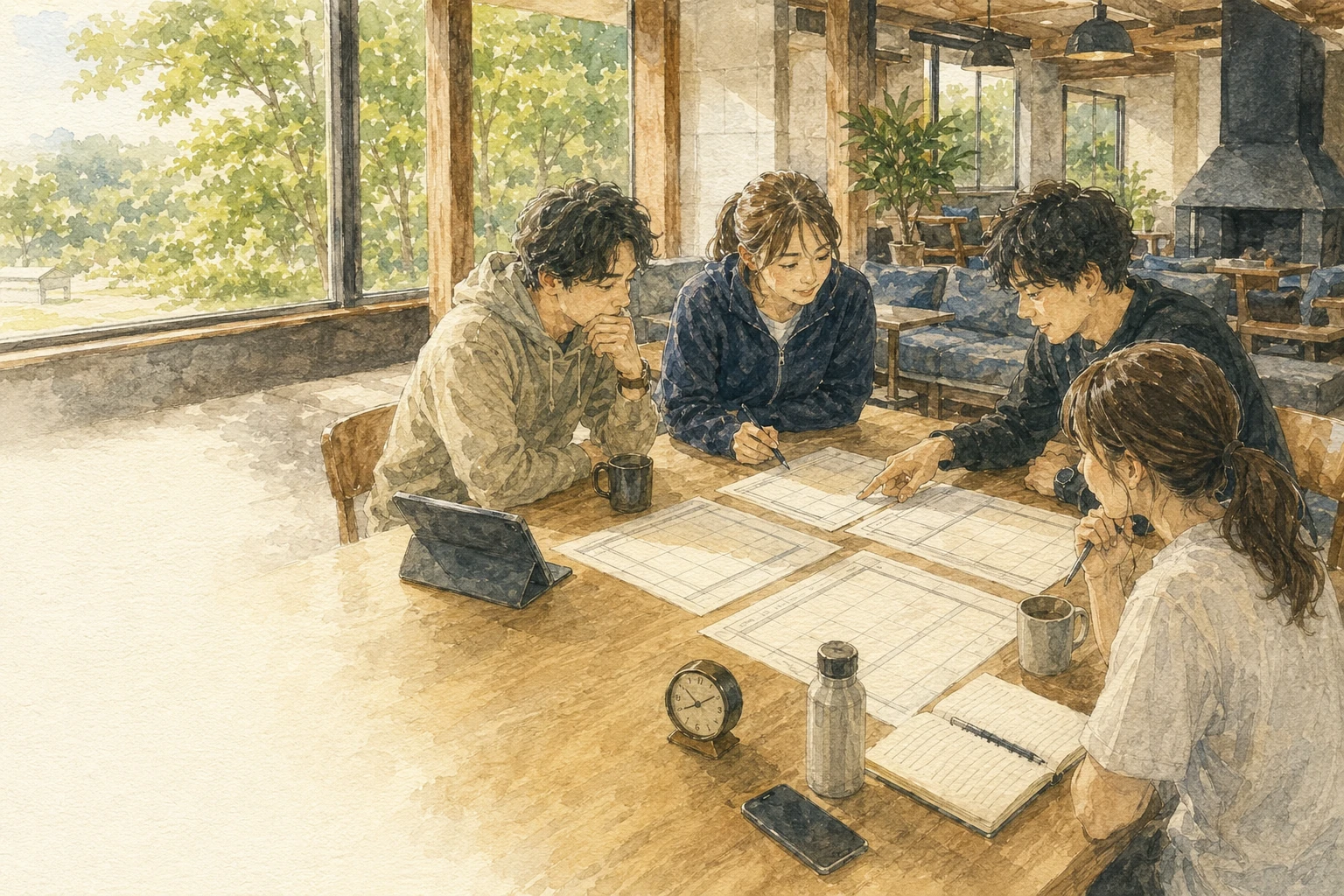
The Ministry of Health, Labour and Welfare’s Sleep Guide 2023 recommends securing sufficient sleep according to age and living circumstances. For a training stay, decide wake-up, breakfast, departure and morning-practice times first, then move bathing and meeting end times earlier so enough sleep and bedtime-preparation time remain.
| Point in time | What to decide | Operational caution |
|---|---|---|
| After dinner | Order of bathing, washing and meetings | Do not let only the late group lose sleep |
| Quiet hours | Rules for hallways, shared spaces and device use | Lower noise before lights-out |
| Lights-out | Standard for ending room lighting and conversation | Set an exception-contact method for illness or travel delays |
| Nighttime | Rounds, emergency contact and toilet movement | Do not assign all nighttime contact to one person |
| Wake-up | Headcount, washing and breakfast start | Avoid shouting and mass movement early in the morning |
SECTIONSeparate quiet hours from lights-out
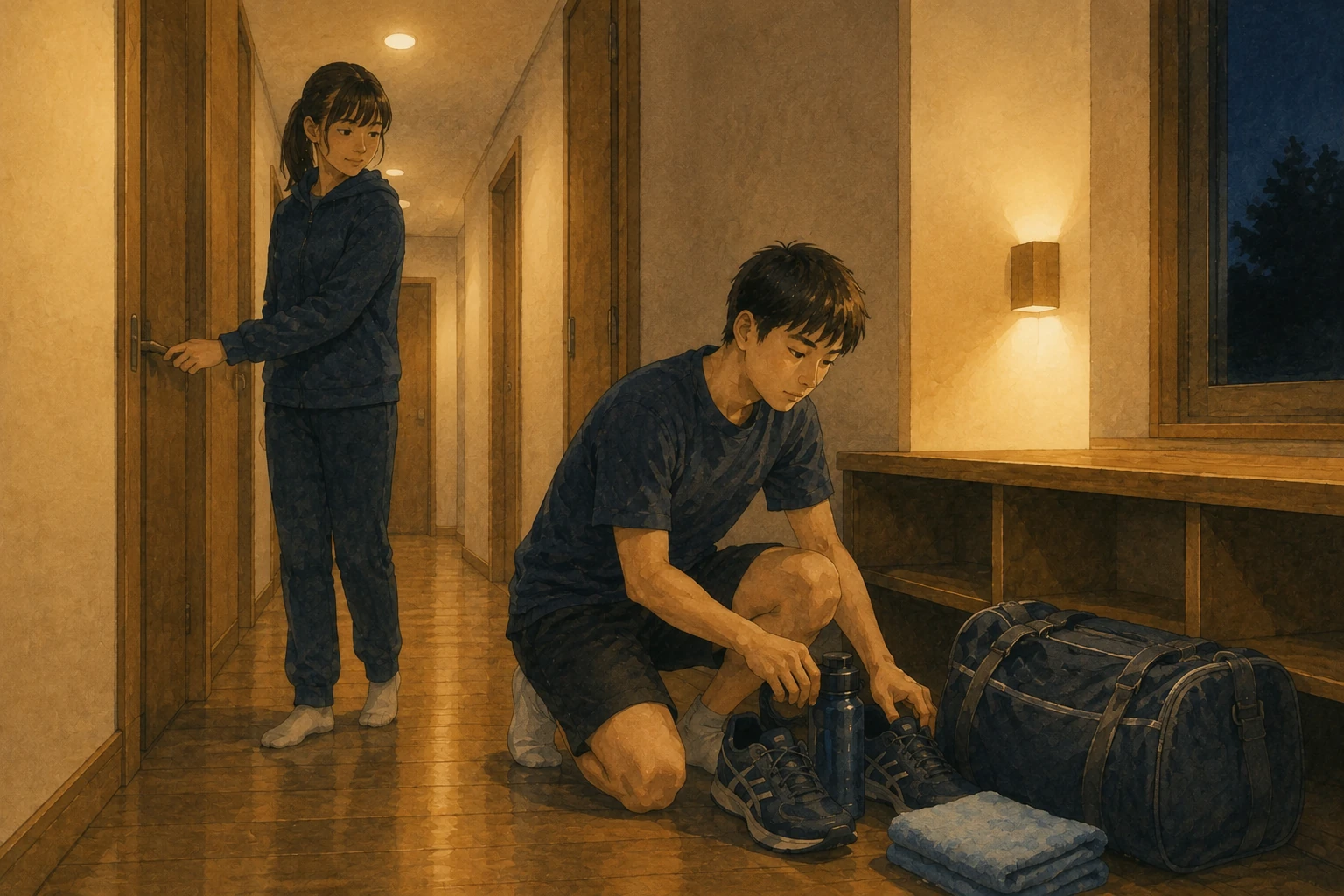
Quiet hours are when the group begins reducing conversation, door noise, hallway movement and smartphone sound. Lights-out is when room lighting is lowered and people go to sleep. Separating the two gives time to finish brushing teeth and checking next-day luggage quietly.
SECTIONSeparate the roles of the participant, room leader and accompanying adult for nighttime communication
Before departure, decide who a participant tells if illness, medication issues, homesickness, noise or facility problems occur; what the room leader checks; and what the accompanying adult is authorized to decide. If breathing difficulty, loss of consciousness, severe bleeding or another emergency is suspected, do not wait for this chain—immediately alert the responsible adult and prioritize calling 119 when needed. When minors are included, prioritize the organization’s rules and explanations to guardians, and do not allow outings or room moves based only on an individual decision.
Assign a room leader and nighttime accompanying adult for each room
Share who should be awakened in an emergency and how to contact them
Connect medication and chronic-condition handling with the C28 management procedure
Confirm a safe route to toilets and washbasins at night
Have the group representative handle noise complaints centrally
SECTIONUse room assignments to align sleep conditions
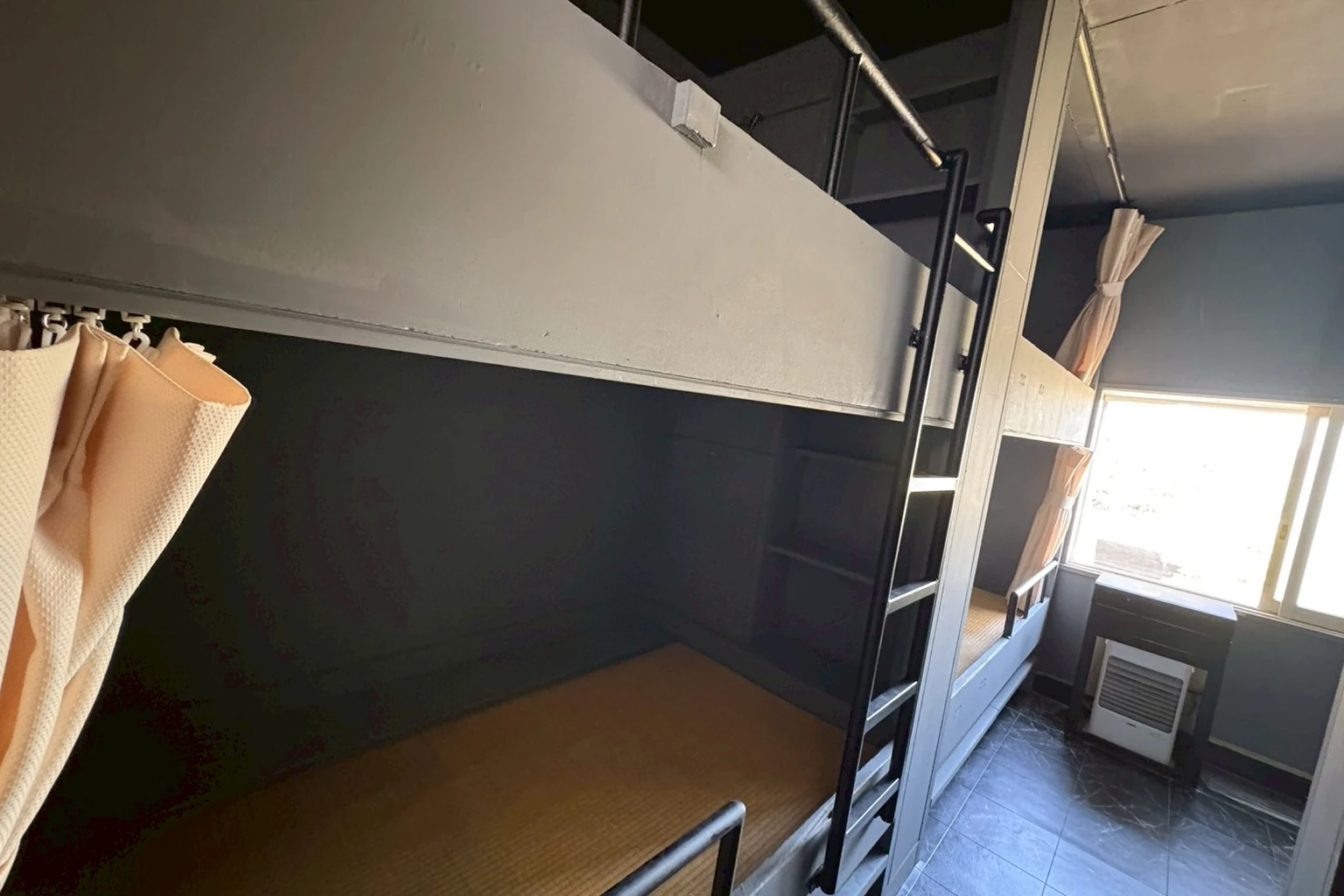
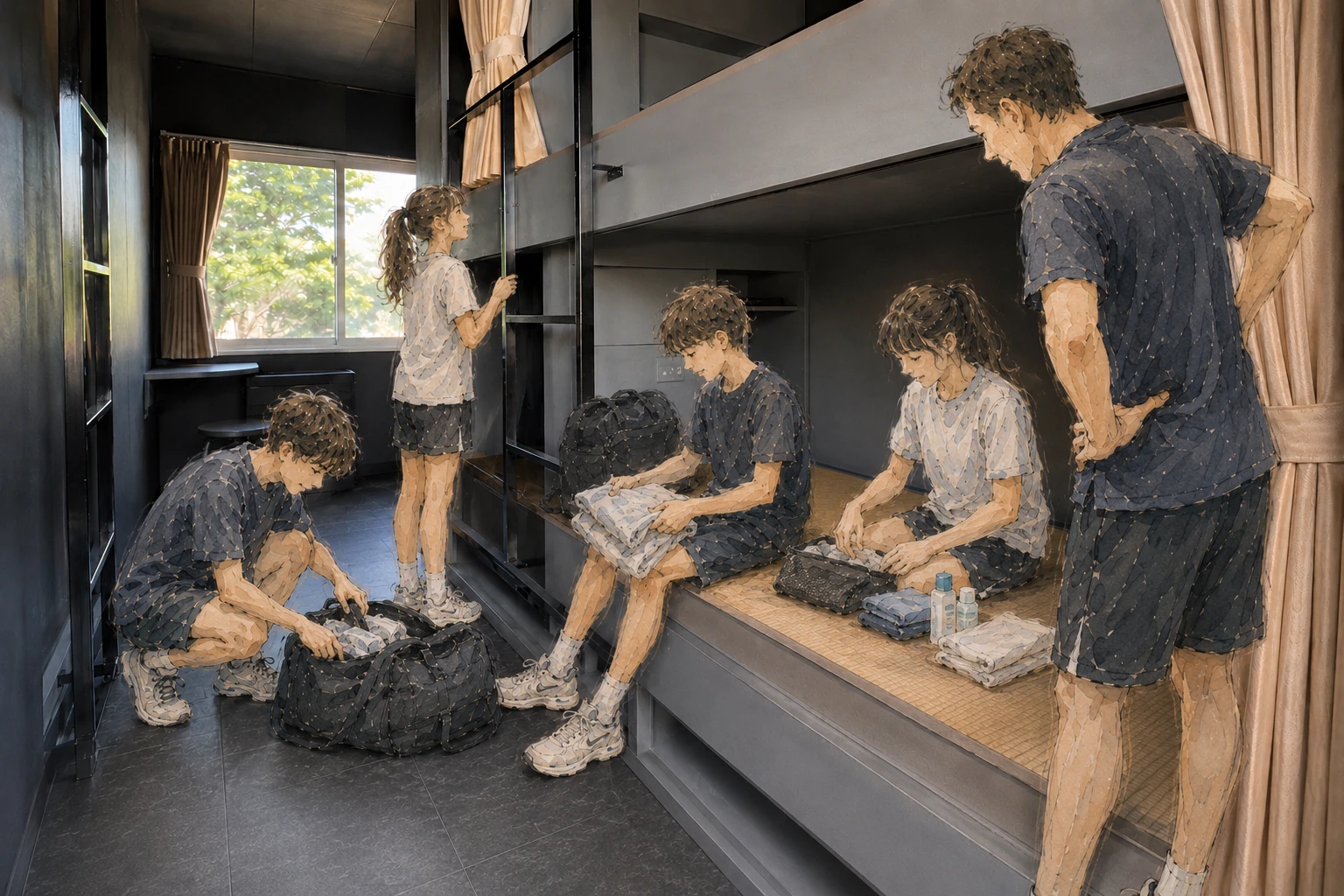
Putting early sleepers, nighttime duty staff, people who need consideration for snoring or health, and early-morning departures into one room can disrupt everyone’s sleep. Coordinate with the C09 room-assignment process and group people by wake-up time, age, role and accommodation needs.
SECTIONCheck physical condition before waking everyone into immediate activity
Do not move straight from waking into intense practice. Check for insufficient sleep, fever, pain, appetite and changes in condition from the previous night. Rather than blaming someone for waking late, separate whether the cause is the group schedule or the individual’s condition.
FROM READING TO PLANNING
Undecided details are useful planning information.
Even before dates or group size are final, we can help organize the next steps from your current conditions.REFERENCES
Reference Information
- Ministry of Health, Labour and Welfare Sleep Measures / Sleep Guide 2023↗
- BASE NIIKAPPU Team & Group Stays↗
- BASE NIIKAPPU Facility Guide↗
Last checked: 2026.08.12